
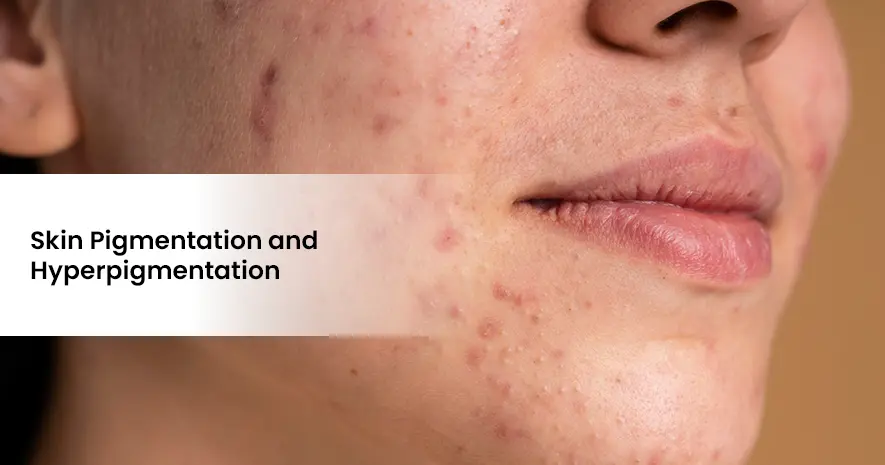
Skin pigmentation refers to the natural color of the skin, determined primarily by melanin produced by melanocytes. Hyperpigmentation occurs when excess melanin creates darker patches, spots, or uneven tone - common forms include melasma (often called the 'mask of pregnancy'), post-inflammatory hyperpigmentation (after acne or injury), sunspots, freckles, and age spots.
While modern approaches often focus on topical lighteners or lasers, Ayurveda views these issues as manifestations of deeper imbalances and treats them holistically by addressing root causes rather than just the surface.
In Ayurveda, skin color and complexion are governed largely by Bhrajaka Pitta (a subtype of Pitta that resides in the skin) and Rakta Dhatu (blood tissue). Hyperpigmentation conditions such as Vyanga (facial dark patches resembling melasma or freckles), Neelika, or related discolorations arise mainly from:
- Aggravated Pitta (heat, metabolism, and inflammation)
- Vitiation of Rakta (impure or overheated blood)
- Contribution from Vata (dryness, irregularity) or Kapha in some cases
- Accumulation of Ama (toxins) due to weak digestion (Agni)
Classical texts link these issues to factors such as excessive anger, grief, or exertion; spicy, sour, or fermented foods; sun exposure; hormonal shifts; and suppressed natural urges. The result is disturbed melanin regulation and dark patches, especially on the face.
Common Causes
- Prolonged sun/UV exposure
- Hormonal changes (pregnancy, contraceptives, menopause)
- Inflammation or injury (acne, eczema, trauma)
- Poor digestion, toxin build-up, and liver stress
- Emotional stress, anger, or grief
- Dietary excesses (spicy, oily, sour, fermented foods)
- Aging and slower skin renewal
Ayurveda emphasizes that surface pigmentation often reflects internal heat and blood impurity, so lasting results require internal purification alongside external care.
Treatment strategy: Nidana parivarjana (removing causes), Shodhana (detoxification), Shamana (pacification with herbs), topical therapies, diet, and lifestyle. Blood purification (Rakta shodhana) is central because healthy blood supports even complexion and reduces the tendency for dark patches.
Key blood purifying and complexion enhancing herbs (Varnya and Raktashodhaka):
Manjistha (Rubia cordifolia): Premier blood purifier. Clears toxins from blood and lymph, cools Pitta, and promotes even skin tone. Used internally (powder, decoction, or capsules under guidance) and in face packs.
Neem (Azadirachta indica): Strong detoxifier and antimicrobial. Reduces inflammation and clears impurities that contribute to pigmentation and acne-related marks.
Sariva / Anantamul (Hemidesmus indicus): Cooling blood purifier that pacifies Pitta-Rakta and supports healthy complexion.
Turmeric (Haridra / Curcuma longa): Anti-inflammatory and antioxidant. Helps regulate melanin and brightens skin; used both internally and topically.
Licorice (Yashtimadhu / Glycyrrhiza glabra): Inhibits tyrosinase (key enzyme in melanin production) and soothes skin.
Sandalwood (Chandana): Cooling, calming, and complexion-enhancing. Excellent for face packs.
Lodhra: Astringent and tone-improving; helpful for acne marks and uneven texture.
Others: Aloe vera (soothing and healing), saffron (in classical oils), and supporting herbs like Guduchi or Triphala for overall detox and digestion.
Classical formulations often recommended under practitioner guidance include Mahamanjishtadi Kwatha, Khadirarishta, Sarivadyasava, Arogyavardhini Vati, and Gandhak Rasayana. These support blood purification, liver function, and Pitta balance.
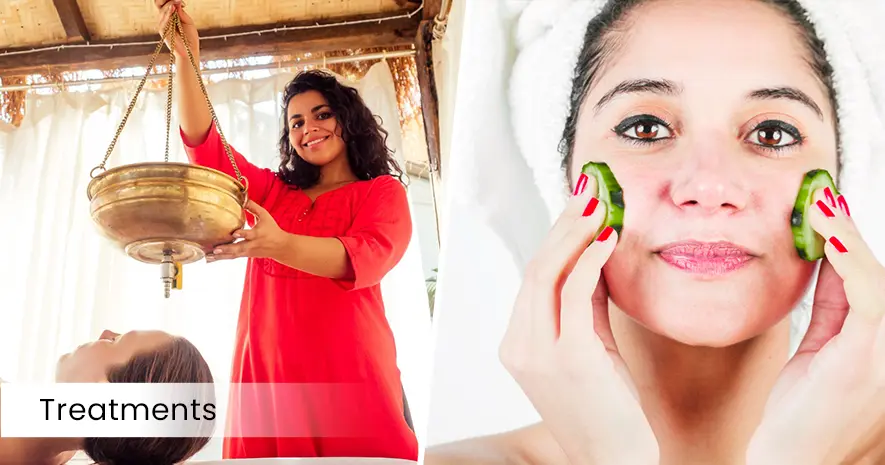
Face packs (Lepa):
- Manjistha powder + honey or rose water
- Sandalwood + rose water or milk
- Turmeric + yogurt or honey (use sparingly; patch-test)
- Licorice + sandalwood + milk
- Fresh aloe vera gel applied directly
- Apply 2 - 3 times a week for 10 - 20 minutes, then rinse gently.
Oils: Kumkumadi Tailam (classic saffron-based oil) massaged lightly at night is traditionally used to improve complexion and fade dark spots. Other cooling oils like Chandanadi can help.
Internal support: Warm water with turmeric and a pinch of black pepper, or herbal teas with neem/tulsi.
Panchakarma and Professional Therapies
For stubborn cases, therapies such as Virechana (therapeutic purgation to eliminate excess Pitta) are highly valued for systemic detoxification. Raktamokshana (bloodletting, including leech therapy in localized areas) may be used in specific situations. Nasya and external oleation can also support facial skin health. These should only be done under qualified supervision.
Diet and Lifestyle Recommendations
Favor:
Cooling, Pitta-pacifying foods: cucumber, melon, coconut water, leafy greens, bitter vegetables, sweet fruits, milk, ghee in moderation
Hydration and easy to digest meals that support strong Agni
Antioxidant rich options like Amla
Reduce or avoid:
Spicy, sour, fermented, fried, and excessively salty foods
Excess caffeine, alcohol, and processed items
Daytime sleep and suppressed natural urges
Lifestyle:
Strict sun protection (shade, clothing, and natural barriers; consistent sunscreen is practical and compatible)
Stress management: Pranayama (especially cooling practices like Sheetali), meditation, adequate sleep
Gentle daily self-massage (Abhyanga) with suitable oils
Regular mild exercise for circulation without overheating
Important Cautions
Results take time and consistency - often several weeks to months - because Ayurveda works from the root. Individual constitution (Prakriti), current imbalances, and any underlying conditions matter. Always consult a qualified Ayurvedic practitioner before starting internal herbs, especially if pregnant, on medication, or managing chronic illness. Patch-test topical applications. Persistent or sudden pigmentation warrants medical evaluation to rule out other causes.
Ayurveda offers a gentle, sustainable path to clearer, more even toned skin by purifying the blood, cooling excess heat, and restoring balance. Combined with sensible sun care and a supportive lifestyle, these time tested remedies can help restore natural radiance from within.
FAQ(Frequently Asked Question)
1. What is the difference between normal skin pigmentation and hyperpigmentation?
Normal pigmentation is the natural color of your skin determined by melanin. Hyperpigmentation means excess melanin production that creates darker patches, spots, or uneven tone (melasma, sunspots, post acne marks, freckles, etc.).
2. How does Ayurveda explain hyperpigmentation?
Ayurveda primarily links it to aggravated Pitta Dosha and impure or overheated blood (Rakta Dushti). The sub-type Bhrajaka Pitta that governs skin color becomes disturbed, leading to conditions like Vyanga. Emotional stress, spicy/sour foods, sun exposure, and weak digestion also contribute.
3. Which is the best Ayurvedic blood purifier for pigmentation?
Manjistha (Rubia cordifolia) is considered the foremost blood purifier (Raktashodhaka) and complexion enhancer. Other excellent options include Neem, Sariva (Anantamul), and formulations such as Mahamanjishtadi Kwatha or Khadirarishta
4. How long does it take to see results with Ayurvedic remedies?
Mild cases may show improvement in 4- 8 weeks with consistent topical and internal care. Deeper or long-standing pigmentation (e.g., melasma) often needs 3 - 6 months or longer, along with diet and lifestyle changes. Patience and consistency are essential.
5. Can I use Ayurvedic face packs daily?
Most herbal face packs (Manjistha, sandalwood, turmeric, liquorice) are best used 2- 3 times a week. Daily use of strong ingredients like turmeric can irritate some skin types. Always patch-test first and moisturize afterward.
6. Is Kumkumadi Tailam effective for dark spots?
Yes. This classical saffron based oil is traditionally used to improve complexion and fade pigmentation. Apply a few drops at night after cleansing. Results appear gradually with regular use.

October 16, 2026
October 09, 2026

September 19, 2026

September 18, 2026
September 03, 2026
August 22, 2026
We use cookies that are necessary for the smooth operation of the website, to improve our website and to display advertising relevant to you on social media platforms and partner websites. By clicking "Accept all", you agree to the use of cookies for convenience features and statistics and tracking. You can change these settings again at any time. If you do not agree, we will limit ourselves to technically necessary cookies. For more information, please see our privacy policy .