
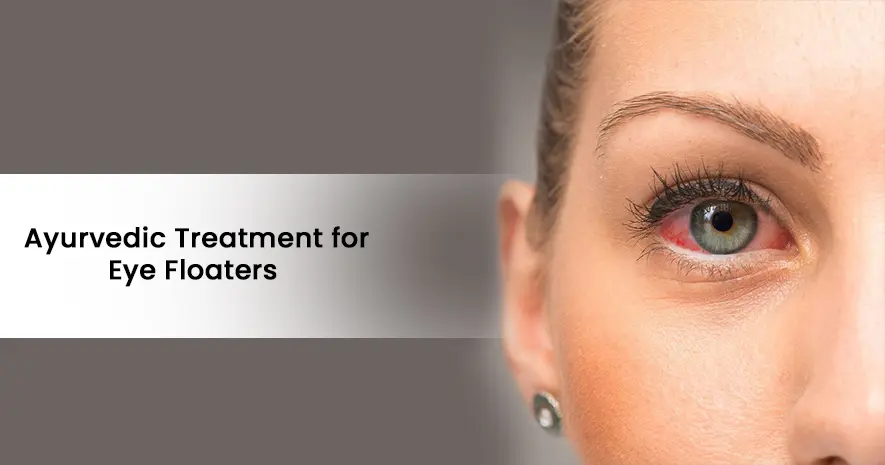
Eye floaters are a common condition where you see small, non-existing figures such as hairlines, black spots, or cobwebs drifting across the visual field. Though it feels like something is on the surface of the eye, floaters are actually tiny opacities deep inside the eye that cast shadows onto the retina.
The cause lies in within a clear jelly like substance called the vitreous humour, which fills the large space in the centre of the eyeball. When we are young the vitreous is a thick, clear gel. As we age, this gel naturally begins to change, a process where it liquefies, clouds and shrinks. As the vitreous collapses, small strands of protein or collagen begins to cluster together. These microscopic clusters drift through the liquefied part of the eye, creating a moving shadows we see as floaters.
While these changes are a normal part of aging, they often appear earlier or more frequently in people with myopia. In myopic eyes, the elongation of the eyeball can cause the vitreous gel to break prematurely. One might notice them most clearly when looking at a bright, plain background, such as a white wall or a clear blue sky.
Ayurveda views these disturbances as a sign of Vata Dosha imbalance affecting the eyes. Specifically floaters can be seen in Vataja Timira or Medosritha Patalagata Dushti, indicating Vata has caused dryness or degeneration in the deeper layers of the eye. By balancing Vata and nourishing the ocular tissues, we can slow down this process and improve ocular comfort.
Ayurveda therapy for management
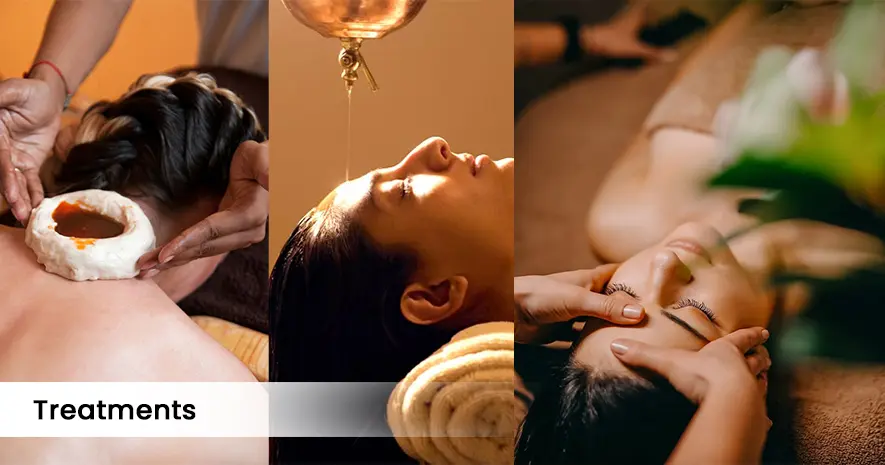
The specialized procedures that are frequently used to manage vitreous floaters are Netra Tarpana, where medicated ghee is retained over the eyes. This procedure nourishes the ocular tissue, improves micro circulation, and nourishes the ocular tissues and help clear vitreous cloudiness. Another treatment mentioned is Nasya, a procedure that recognizes connection between the nasal passage and sensory organs of the head. By instilling medicated oils into the nostrils, it aims to deliver nourishment to the eyes through a pathway traditionally considered as the 'gateway to the head'.
Internal support is equally vital through Ghrithapana, the oral consumption of the medicated ghee. This helps as a systemic rejuvenation therapy that have the unique ability of lipid based formulations to reach the deep seated tissues. This therapy works systemically to slow the natural breakdown of the vitreous humor, helping to maintain the eye's internal clarity over time.
Recommended Foods
To support ocular tissue repair and prevent oxidative injury, following foods can be added in the diet:
Vegetables and fruits: Include fresh vegetables such as carrots (rich in beta-carotene for night vision), patola, radish, and cucumber. Sweet fruits like grapes, melons, and pomegranates are highly beneficial, also coconut water
Dairy and Healthy Fats: Cow's ghee is a vital dietary staple, providing Vitamins A, D, E, and K along with linoleic acid to help prevent cataracts and degenerative eye diseases. Other recommended dairy includes cow's milk and fresh butter.
Whole Grains and Pulses: Staples should include old rice, wheat, barley, and green gram
Nuts and Seeds: For essential micronutrients and omega-3 fatty acids, include soaked and peeled almonds and walnuts, which can help reduce dry eye symptoms. Flaxseeds are also recommended for their healthy fat content
Hydration: Maintaining adequate hydration by drinking clean, cool water throughout the day is essential for overall eye comfort
Foods to Avoid
Certain dietary habits can aggravate the conditions leading to visual disturbances and should be minimized or avoided:
Aggravating flavors: Minimize spicy, sour, overly salty, and acidic foods, as these can increase internal heat and inflammation.
Processed and Heavy Items: Avoid processed foods, heavy meals, and excessive consumption of oily foods or hard cheeses.
Stimulants and Fermented Products: It is recommended to avoid caffeine, nicotine, and alcohol, as well as fermented items like vinegar and pickles.
Incompatible Combinations: Ayurveda advises against improper food pairings, such as mixing milk with fish or combining hot and cold foods in the same meal.
Healthy Habits:
20-20-20 Rule: For every 20 minutes of screen time, look at an object 20 feet away for 20 seconds.
Eye Exercises: Practice regular eye movements and palming to relieve fatigue.
Foot Massage: Regular foot massage with oil is recommended, as the feet are traditionally linked to eye health via nerve endings
At Sreedhareeyam, we believe that the journey to clearer vision begins with a deep understanding of the individual. Rather than simply addressing the "spots" in the visual field, our primary focus is on uncovering the underlying causative factors unique to each patient. We recognize that floaters can stem from various origins—be it the natural age-related thinning of the vitreous gel, the structural changes caused by high myopia, or the systemic impact of conditions like diabetes.
Frequently Asked Questions
Q1. Can Ayurvedic treatment completely remove existing eye floaters?
Ayurvedic management focuses on slowing vitreous gel breakdown and nourishing ocular tissues to reduce floater frequency. While it may not fully reverse structural changes, clinical cases show a 70% reduction in floaters and significantly improved visual comfort. The goal is to make these shadows less noticeable so they no longer interfere with daily life.
Q2. Can my daily screen habits make my floaters look worse?
While looking at a screen doesn't create floaters, digital eye strain makes them much more noticeable. When you stare at a computer or smartphone, the blinking rate drops significantly, leading to dryness and fatigue. This strain aggravates the internal Vata (the principle of movement and dryness), causing the shadows cast by floaters to appear sharper and more irritating. Following the 20-20-20 rule—looking 20 feet away for 20 seconds every 20 minutes—is a vital lifestyle habit to reduce this strain.
Q3. Is it safe to put medicated ghee (Ghrita) directly into my eyes?
Yes, Netra Tarpana (the practice of bathing the eyes in medicated ghee) is a classical, time-tested Ayurvedic procedure. The ghee used, such as Triphala Ghrita, is specially formulated with medicinal herbs and is applied at a comfortable, lukewarm temperature. This lipid-based nourishment is highly effective because it can permeate the ocular tissues more deeply than water-based drops, providing essential vitamins and antioxidants exactly where they are needed. However, this should always be performed under the guidance of a qualified expert.

September 03, 2026
August 22, 2026

August 19, 2026
August 11, 2026

August 06, 2026
July 28, 2026
We use cookies that are necessary for the smooth operation of the website, to improve our website and to display advertising relevant to you on social media platforms and partner websites. By clicking "Accept all", you agree to the use of cookies for convenience features and statistics and tracking. You can change these settings again at any time. If you do not agree, we will limit ourselves to technically necessary cookies. For more information, please see our privacy policy .