
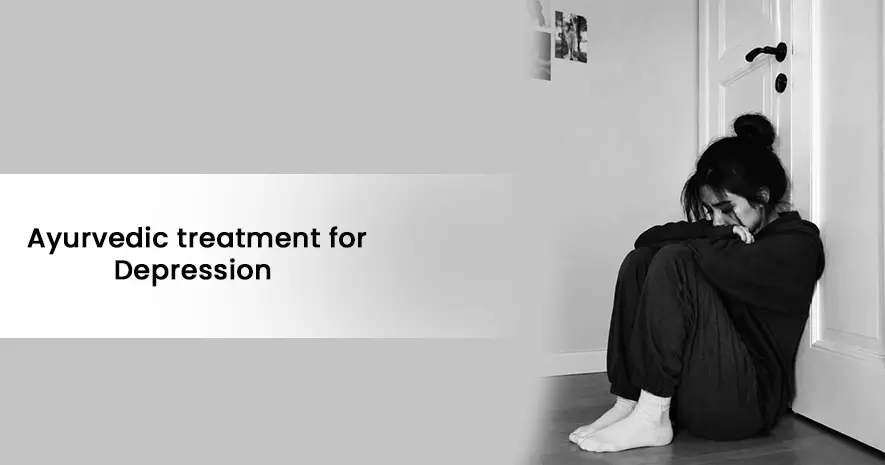
Mental health is just as critical as physical health, yet it is often misunderstood. One of the most prevalent conditions worldwide is Major Depressive Disorder (MDD), a chronic and episodic condition that affects far more than just "feeling sad". It is a complex disorder that impacts a person's mood, cognitive functions, and physical energy. For a layperson, depression can feel like a heavy, persistent cloud that strips away interest in activities once enjoyed, leads to feelings of worthlessness or guilt, and disrupts basic functions like sleep and appetite. Globally, it is a leading cause of disease burden, significantly impairing an individual's quality of life and daily functioning.
Ayurveda offers a unique, holistic perspective on mental health, viewing it as a state of equilibrium between the body, mind, and spirit.
The Ayurvedic View: Restoring the Inner Balance
In the Ayurvedic tradition, severe depressive states are often understood through the concept of Kaphaja Unmada. This occurs when there is an imbalance in the Kapha and Vata Doshas, accompanied by a dominance of Tama—the quality associated with inertia and heaviness. This imbalance leads to Avara Satwa, which refers to a state of low mental resilience or reduced psychological strength. The goal of Ayurvedic management is not just to suppress symptoms but to restore this internal balance and build mental fortitude.
Purification and Systemic Cleansing
Ayurvedic treatment often begins with Shodhana (purification) therapies, such as the Panchakarma protocols. These therapies are designed to remove metabolic waste and systemic toxins that can cloud the mind and affect emotional stability.
- Gut-Directed Therapies: Modern research validates the Ayurvedic approach of gut cleansing, noting a strong link between gut health and brain function.
- Regulating the Nervous System: Medicated enemas are considered a primary therapy for regulating the nervous system, which Ayurveda identifies as a function of the Vata Dosha. These procedures help stabilize the "gut-brain axis", influenced by serotonin pathways and inflammatory markers linked to depression.
Ayurveda uses complex, professionally formulated herbal blends. These are categorized broadly to address the specific needs of the individual:
- Adaptogenic Herbs: These help the body and mind resist the physical and chemical effects of stress, often by regulating stress hormones like cortisol.
- Nerve Tonics (Medhya Rasayanas): These herbs are used to enhance memory, concentration, and cognitive function while providing antioxidant protection to the brain.
- Metabolic Enhancers: By restoring the body's internal fire (Agni), these herbs support healthy digestion, which Ayurveda considers essential for a stable mind.
Specialized External Procedures
Ayurveda employs targeted external therapies to calm the mind and soothe the nervous system.
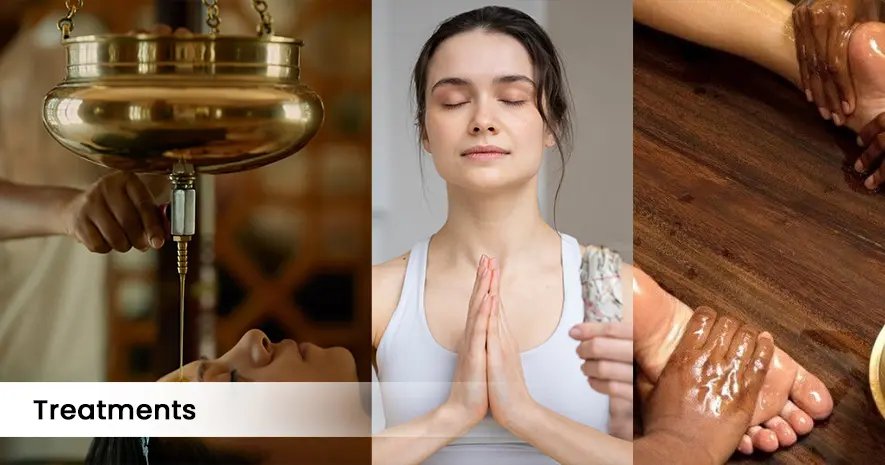
- Shirodhara and Takradhara: These involve a continuous, rhythmic stream of medicated liquid poured over the forehead. This process induces a state of deep relaxation and helps achieve neuroendocrine balance.
- Nasya (Nasal Administration): Because the nose is considered a gateway to the brain, administering specific medicated oils nasally can directly stimulate higher brain centers to regulate emotional patterns.
Psychotherapy and Lifestyle Integration
Ayurveda places great emphasis on Satvavajaya Chikitsa, a specialized form of Ayurvedic psychotherapy. This approach focuses on cognitive restructuring, helping the individual move away from unwholesome or negative thought patterns and building mental resilience through reassurance and guidance.
To sustain these improvements, lifestyle practices like Yoga and Pranayama (breathing exercises) are integrated. These practices help balance the autonomic nervous system and reduce the hyper-activity of stress responses in the body.
While Ayurveda provides a powerful system for mental well-being, it is not a system for self-treatment. Because these protocols—especially the use of potent herbal extracts and purification procedures—must be tailored to an individual's unique constitution and current state of imbalance, they should only be administered under the guidance of a qualified Ayurvedic professional. Proper medical supervision ensures that the treatment is both safe and effective for long-term recovery.
Frequently Asked Questions
Q1. How do external procedures, such as pouring liquids on the forehead, help the mind?
A: Specialized external therapies like Shirodhara and Takradhara involve a rhythmic stream of medicated liquid over the forehead to induce deep relaxation and help achieve neuroendocrine balance. These procedures, along with Nasya (nasal administration), are designed to calm the nervous system and directly stimulate the brain's emotional and hormonal centers. By helping the body move out of a high-stress state, these treatments facilitate mental clarity and emotional regulation
Q2. Can Ayurvedic mental health protocols help individuals whose depression is triggered by a serious physical illness like cancer?
A: Yes. Ayurveda recognizes Manoavasada (depressive states) as a frequent complication of chronic physical conditions, such as breast cancer. Specialized psychotherapy known as Satvavajaya Chikitsa is used as a supportive therapy to help these patients analyze their thought patterns, develop emotional resilience, and improve their overall psychological well-being while managing their physical health
Q3. Why does Ayurvedic treatment for depression place such a heavy emphasis on digestion and diet?
A: Ayurveda teaches that mental stability is indirectly supported by Agni, or the "internal digestive fire". Poor digestion can lead to metabolic imbalances that cloud the mind and contribute to emotional instability. By using metabolic enhancers to restore healthy digestion, the treatment helps the body clear systemic toxins and supports the return of normal mental health.
October 16, 2026

October 09, 2026

September 24, 2026

September 19, 2026

September 18, 2026
August 22, 2026
We use cookies that are necessary for the smooth operation of the website, to improve our website and to display advertising relevant to you on social media platforms and partner websites. By clicking "Accept all", you agree to the use of cookies for convenience features and statistics and tracking. You can change these settings again at any time. If you do not agree, we will limit ourselves to technically necessary cookies. For more information, please see our privacy policy .