
It is remarkable how Ayurveda has long offered comprehensive care for women’s health, addressing reproductive wellness, hormonal balance, and pregnancy-related needs with profound precision. At Sreedhareeyam, this deep-rooted wisdom is harmonized with modern clinical practices to support menstrual health, fertility, prenatal and postnatal care, and chronic gynecological conditions. Through specialized therapies, herbal formulations, and individualized treatment approaches, we aim to nurture overall female wellbeing, promote healthy motherhood, and ensure long-term reproductive harmony.
Menstrual disorders refer to a range of conditions that affect the normal menstrual cycle, including irregular periods, heavy or light bleeding, painful menstruation, missed periods, or severe premenstrual symptoms. These disorders can be caused by hormonal imbalances, stress, underlying medical conditions, lifestyle factors, or reproductive health issues, and may impact physical comfort, emotional well-being, and daily activities. Early identification and appropriate medical care can help manage symptoms effectively and support overall reproductive health.

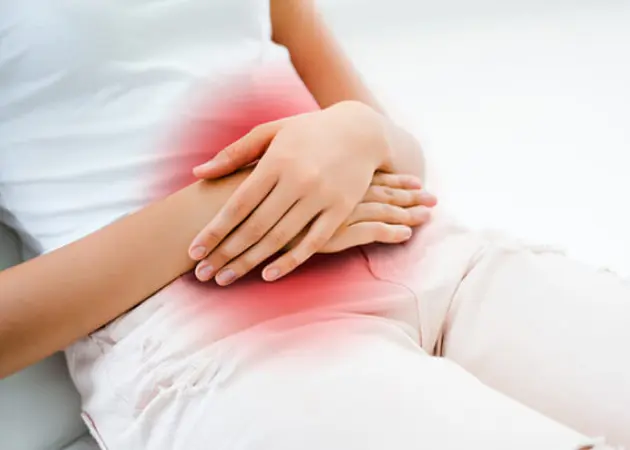
Menopausal disorders encompass a variety of physical and emotional symptoms that occur during the transition to menopause, when the ovaries gradually reduce hormone production. Common concerns include hot flashes, night sweats, irregular periods, mood changes, sleep disturbances, vaginal dryness, and decreased bone density. These symptoms result from hormonal fluctuations and can vary in intensity and duration, affecting overall quality of life. With proper medical guidance, lifestyle adjustments, and supportive treatments, menopausal disorders can be effectively managed to promote comfort and long-term health.

Polycystic Ovarian Syndrome (PCOS) is a common hormonal disorder affecting women of reproductive age, characterized by irregular menstrual cycles, excess androgen levels, and multiple small cysts on the ovaries. It can lead to symptoms such as acne, unwanted hair growth, weight gain, and difficulty in conceiving, while also increasing the risk of insulin resistance and metabolic issues. Although PCOS is a long-term condition, it can be effectively managed through lifestyle modifications, medical treatment, and regular monitoring to support hormonal balance and overall health.
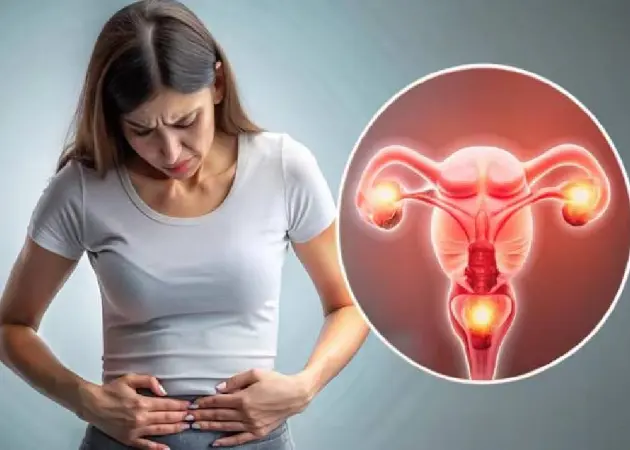
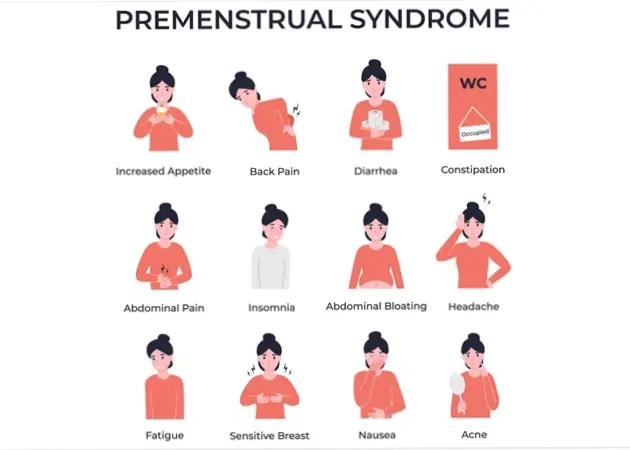
Premenstrual Syndrome (PMS) is a condition marked by a combination of physical, emotional, and behavioral symptoms that occur in the days or weeks before menstruation. Common symptoms include mood swings, irritability, fatigue, bloating, breast tenderness, headaches, and food cravings, caused mainly by hormonal fluctuations during the menstrual cycle. While the severity varies from person to person, PMS can be managed effectively through lifestyle changes, stress management, proper nutrition, and medical support when needed.
Endometriosis is a chronic gynecological condition in which tissue similar to the lining of the uterus grows outside the uterus, commonly affecting the ovaries, fallopian tubes, and pelvic tissues. It often causes symptoms such as severe menstrual pain, chronic pelvic pain, heavy periods, pain during intercourse, and fertility challenges. The condition is driven by hormonal and inflammatory processes and can significantly impact quality of life. Although there is no definitive cure, endometriosis can be managed through medication, lifestyle adjustments, and, in some cases, surgical intervention to relieve symptoms and improve well-being.
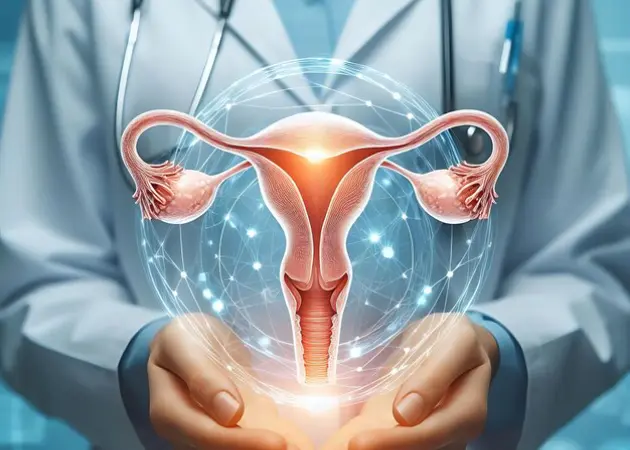
Infertility treatment encompasses medical interventions and therapies designed to help individuals or couples conceive when they face challenges in achieving pregnancy naturally. Depending on the underlying cause, treatments may include lifestyle modifications, fertility medications to regulate ovulation, surgical procedures to correct reproductive issues, or assisted reproductive technologies such as intrauterine insemination (IUI) and in vitro fertilization (IVF). Early diagnosis and personalized treatment plans significantly improve the chances of conception and support overall reproductive health.

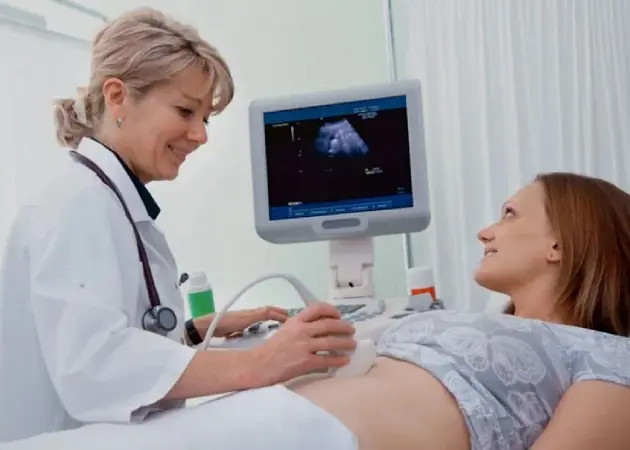
Care and treatments during pregnancy focus on ensuring the health and well-being of both the mother and the developing baby. This includes regular prenatal check-ups, monitoring vital signs and fetal growth, taking recommended supplements like folic acid and iron, and managing existing medical conditions. Expectant mothers are advised to maintain a balanced diet, engage in safe physical activity, avoid harmful substances, and receive necessary vaccinations. Any complications, such as gestational diabetes, hypertension, or infections, are promptly managed with appropriate medical interventions to support a safe and healthy pregnancy.
We use cookies that are necessary for the smooth operation of the website, to improve our website and to display advertising relevant to you on social media platforms and partner websites. By clicking "Accept all", you agree to the use of cookies for convenience features and statistics and tracking. You can change these settings again at any time. If you do not agree, we will limit ourselves to technically necessary cookies. For more information, please see our privacy policy .