
Autoimmune and skin disorders arise when the body’s immune system becomes imbalanced, triggering inflammation, tissue damage, and chronic dermatological concerns. Ayurveda views these conditions through the lens of systemic imbalance, digestive strength, and toxin accumulation. At Sreedhareeyam, traditional principles are integrated with modern clinical understanding to address psoriasis, eczema, vitiligo, allergies, and other immune-related skin conditions. Through detoxification therapies, immunity-regulating herbal formulations, diet correction, and individualized treatment plans, we focus on calming inflammation, restoring internal balance, and promoting long-term skin health and overall wellbeing.
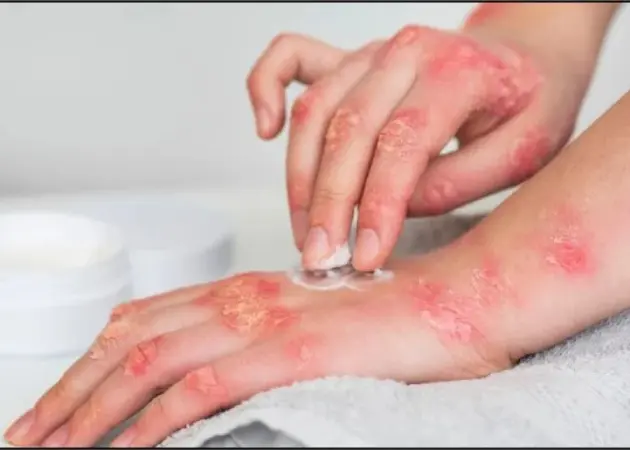
Allergic dermatitis is a skin condition caused by an allergic reaction when the skin comes into contact with certain substances such as cosmetics, metals, chemicals, plants, or fabrics. It often results in symptoms like redness, itching, swelling, rashes, dryness, or blistering in the affected area. The reaction occurs when the immune system responds to an allergen, sometimes even after repeated exposure. Management includes identifying and avoiding the triggering substance, soothing the skin with appropriate treatments, and seeking medical care when symptoms are severe or persistent to promote healthy skin recovery.

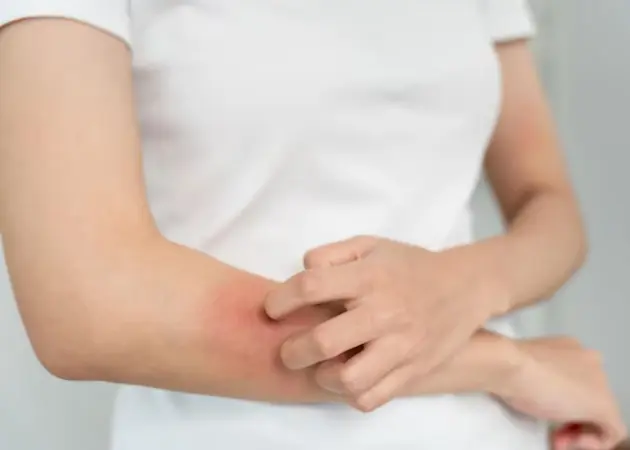
Allergies are immune system reactions that occur when the body responds to substances that are usually harmless, such as pollen, dust, food, medications, or pet dander. Common symptoms include sneezing, runny or blocked nose, itching, skin rashes, watery eyes, coughing, or digestive discomfort. Allergic reactions can range from mild to severe and may affect daily comfort and quality of life. Proper management involves identifying triggers, avoiding exposure when possible, and using appropriate treatments or medical guidance to control symptoms and prevent complications.
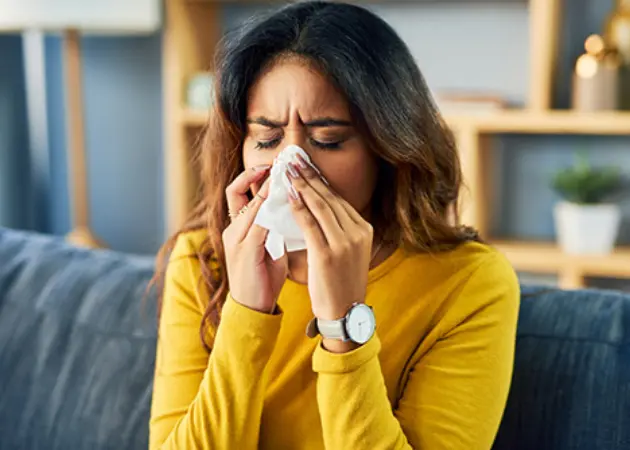
Alopecia is a condition characterized by partial or complete hair loss, which can affect the scalp or other parts of the body. It may result from genetic factors, hormonal changes, autoimmune conditions, stress, nutritional deficiencies, or medical treatments. Common types include alopecia areata, androgenetic alopecia, and telogen effluvium. While hair loss can be temporary or permanent depending on the cause, early diagnosis and appropriate treatment can help manage the condition, stimulate hair regrowth in some cases, and support overall scalp and hair health.
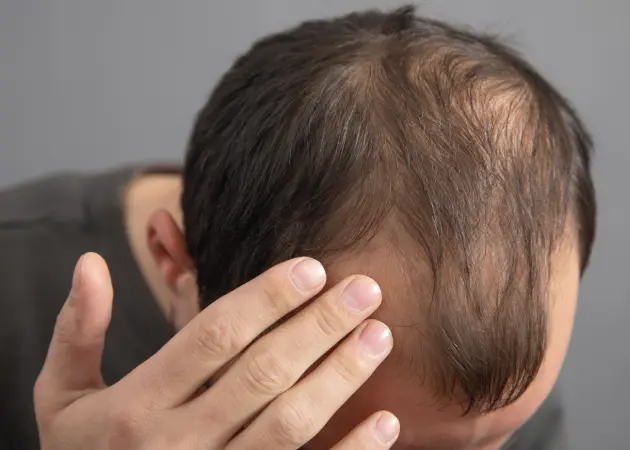
Ayurvedic management for eczema focuses on balancing the body’s doshas, particularly Pitta and Kapha, which are believed to contribute to skin inflammation and irritation. Treatment emphasizes internal purification, detoxification, and strengthening of digestion through herbal formulations, medicated oils, and dietary modifications. External therapies such as herbal pastes, medicated oils, and gentle cleansing help soothe itching, reduce dryness, and promote skin healing. Along with stress management and lifestyle adjustments, Ayurvedic care aims to address the root cause of eczema and support long-term skin health naturally.
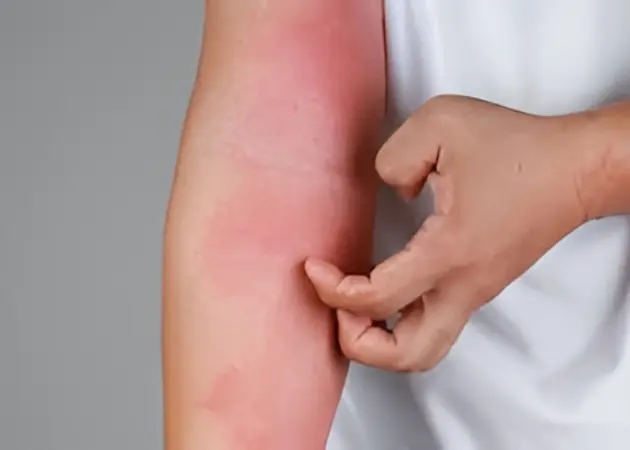
Ayurvedic management for psoriasis aims to address the root cause of the condition by balancing aggravated doshas, mainly Vata and Pitta, which are believed to contribute to skin dryness, scaling, and inflammation. Treatment focuses on detoxification, improving digestion and metabolism, and purifying the blood through personalized herbal medicines and therapies. External applications such as medicated oils and herbal pastes help reduce itching, redness, and scaling. Combined with dietary regulation, stress management, and healthy lifestyle practices, Ayurveda supports long-term control of symptoms and overall skin well-being.
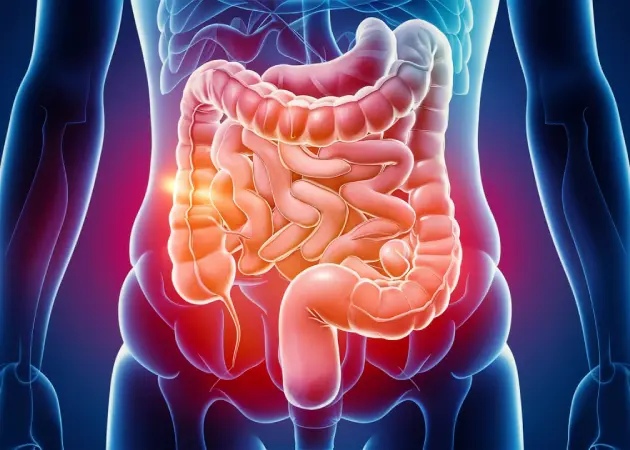
Irritable Bowel Syndrome (IBS) is a common functional digestive disorder that affects the large intestine, causing symptoms such as abdominal pain, bloating, gas, constipation, diarrhea, or a combination of both. It is often triggered by stress, certain foods, hormonal changes, or gut sensitivity, and does not cause structural damage to the intestines. While IBS is a chronic condition, it can be effectively managed through dietary adjustments, stress management, lifestyle changes, and appropriate medical or supportive care to improve digestive comfort and quality of life.
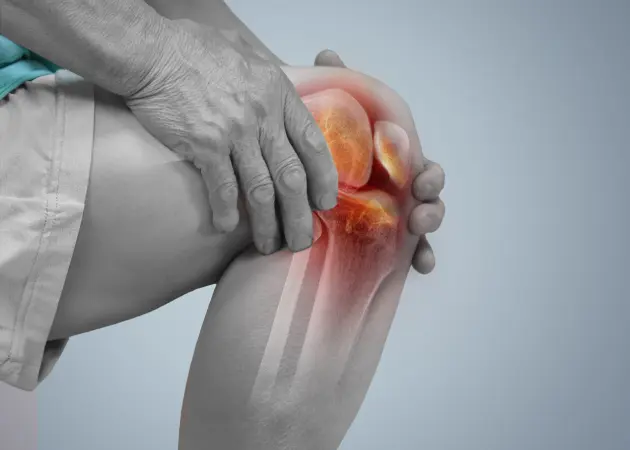
Rheumatoid arthritis is a chronic autoimmune disorder in which the immune system mistakenly attacks the joints, leading to inflammation, pain, swelling, stiffness, and reduced joint mobility. It commonly affects smaller joints such as those in the hands and feet and may progress to involve other organs if left untreated. The condition can cause fatigue and long-term joint damage, impacting daily activities and quality of life. Early diagnosis and appropriate medical management help control inflammation, relieve symptoms, slow disease progression, and maintain joint function.
We use cookies that are necessary for the smooth operation of the website, to improve our website and to display advertising relevant to you on social media platforms and partner websites. By clicking "Accept all", you agree to the use of cookies for convenience features and statistics and tracking. You can change these settings again at any time. If you do not agree, we will limit ourselves to technically necessary cookies. For more information, please see our privacy policy .