
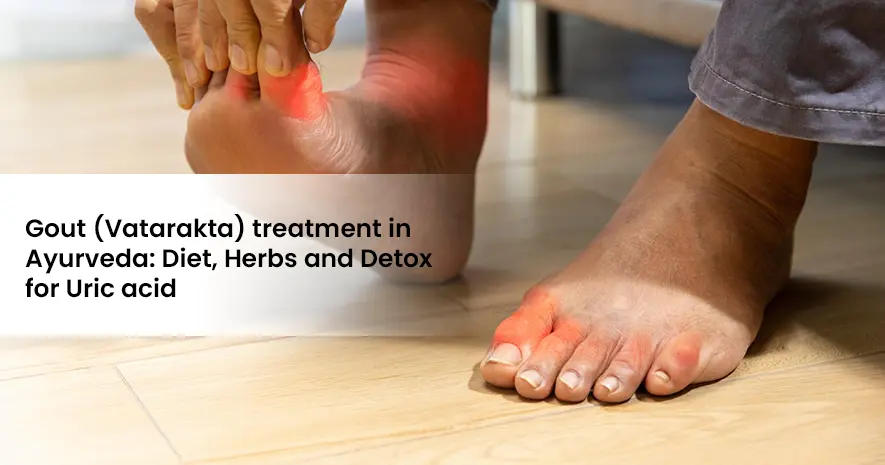
In Ayurveda, gout is known as Vatarakta, a metabolic joint condition that develops when Vata Dosha and blood tissue (Rakta Dhatu) become vitiated at the same time. Classified as a Santarpanajanya Vyadhi, or a disease stemming from over-nutrition, it often begins with a sedentary lifestyle (Achakramana) and the routine consumption of incompatible foods. These dietary and lifestyle habits contaminate the blood, creating a mechanical obstruction in the body's channels known as Margavarodha. Trapped behind this blockage, the natural movement of Vata is impeded, causing the aggravated Dosha to bind deeply with bodily tissues (Doshadushya Sammurchana). This internal metabolic breakdown ultimately settles in the musculoskeletal system, triggering characteristic joint swelling (Sandhishotha) and stiffness (Stambha).
Managing this condition relies heavily on strict adherence to a supportive diet (Pathya) while eliminating harmful triggers (Apathya). A wholesome diet focuses on cooling the blood and soothing aggravated Vata. Staple grains such as barley (Yava), red rice (Shali), and green gram (Mudga) clear the metabolic pathways and nourish tissues without increasing internal heat or generating toxic waste. Adding Amla further aids blood purification through its natural antioxidant and Pitta-pacifying properties. Conversely, consuming alcohol, red meat, black gram (Masha), and high-fructose sweets thickens the blood and promotes urate crystal deposition in joint spaces. Choosing channel-clearing foods prevents metabolic stagnation and creates the proper physical environment for herbal remedies to work.
Herbal pharmacotherapy in Vatarakta works to restore the digestive fire (Agni) and lower systemic acidity so metabolic waste can be properly eliminated rather than trapped in joint tissue. A foundational remedy is Triphala Kashaya combined with honey (Madhu), formulated using Haritaki, Bibhitaki, and Amalaki. This preparation balances all three Doshas (Tridoshashamak) and stimulates digestion (Agnidipana) to process undigested toxins. Potent botanical preparations complement this effect by acting as natural anti-inflammatory and uricosuric agents. They scrape away accumulated toxins, nourish bone tissue, and ease severe joint pain (Sandhitoda) and extreme tenderness (Sparshasahatva).
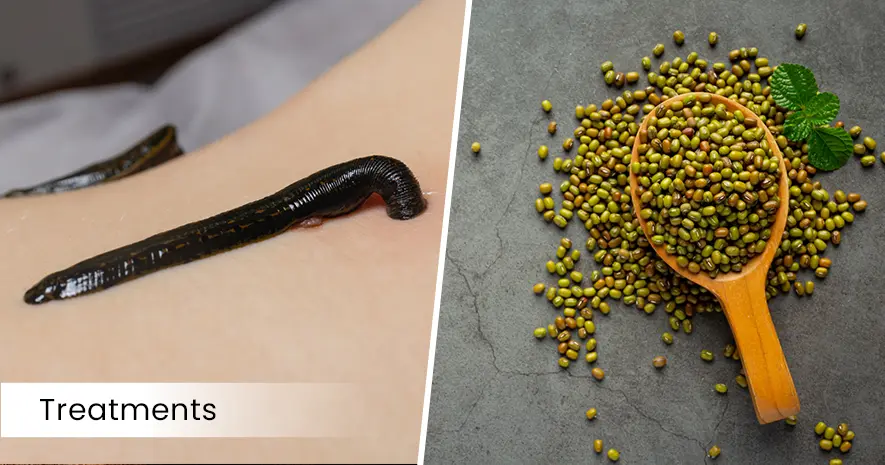
When Vatarakta becomes deep-seated or chronic, physical purification therapies (Shodhana) are necessary to pull toxins out of deeper tissues. Medicated enema treatments such as Tikta Ksira Basti or Anuvasana Basti directly target the root of Vata imbalances to flush metabolic waste from the system. For acute, localized relief, especially when joints are hot, red, and inflamed, bloodletting (Raktamokshana) is the preferred procedure. Leech therapy (Jalauka) is particularly effective for removing vitiated blood from affected joints, providing immediate relief from intense burning sensations and sharp pain resembling a scorpion’s sting (vrishchikdansavat vedana). Together, this integrated combination of diet, targeted herbs, and purification offers a comprehensive approach to long-term joint health.
At Sreedhareeyam, we recognize that Vatarakta affects every individual differently, providing personalized treatment protocols tailored to each patient's unique constitution through customized dietary guidance, targeted herbal formulations, and individualized detoxification therapies.
October 16, 2026
September 24, 2026

September 19, 2026

September 18, 2026
September 03, 2026
August 22, 2026
We use cookies that are necessary for the smooth operation of the website, to improve our website and to display advertising relevant to you on social media platforms and partner websites. By clicking "Accept all", you agree to the use of cookies for convenience features and statistics and tracking. You can change these settings again at any time. If you do not agree, we will limit ourselves to technically necessary cookies. For more information, please see our privacy policy .