
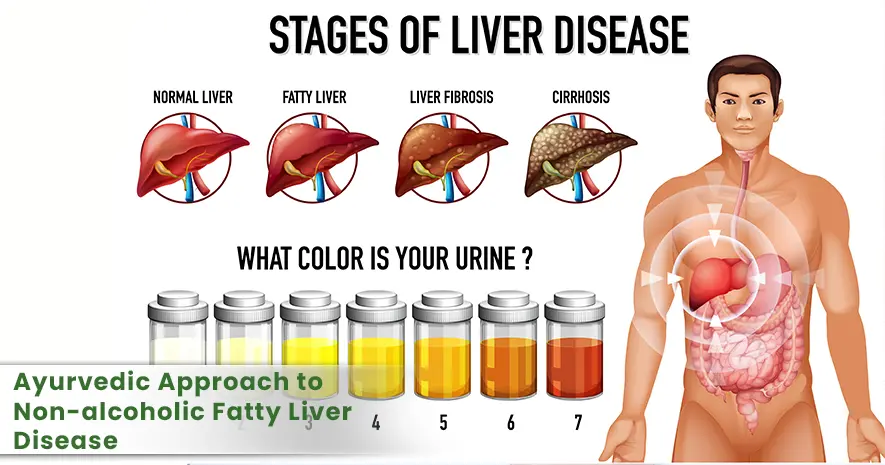
Non- Alcoholic Fatty Liver Disease (NAFLD) is becoming very common worldwide, affecting about 25% of people. It happens when fat builds up in the liver, often linked to obesity, poor diet, and lack of exercise. If left unchecked, it can lead to inflammation and more serious problems. Modern medicine focuses mostly on lifestyle changes. Ayurveda, however, offers a complete, personalized way to address the root cause and support liver health.
Understanding NAFLD through Ayurveda
In Ayurveda, NAFLD is seen as a problem of over-nutrition (Santarpanajanya Vyadhi) combined with impaired metabolic processing. It relates to liver disorders (Yakrit Vikara) and is mainly caused by:
- Low digestive fire (Agnimandya)
- Build-up of Ama (toxins)
- Imbalance of Kapha Dosha and excess fat (Meda)
- These factors clog the channels and cause fat to accumulate in the liver.
Ayurvedic Treatment Approach
The goal is to strengthen digestion, clear toxins, and remove blockages (Srotorodha). Treatment usually includes three main parts:
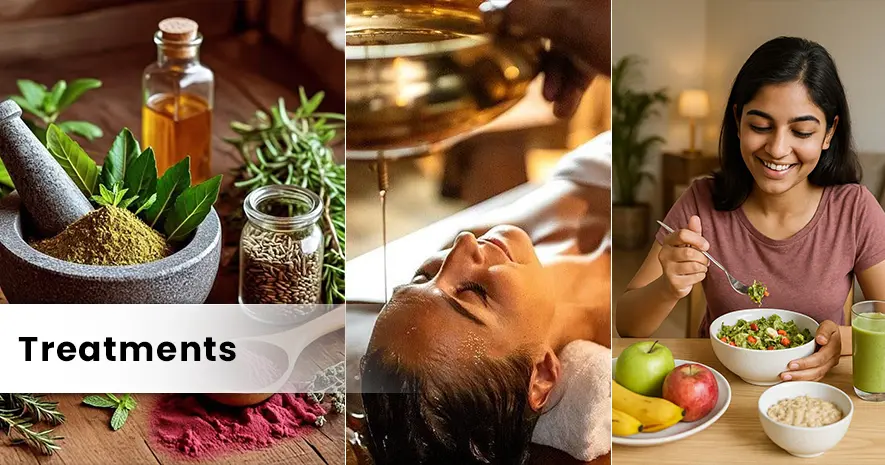
1. Shodhana (Purification therapy)
Virechana (Purgation therapy): Often the top choice for liver problems. It helps remove excess Doshas from the liver.
Basti (Medicated enema): Especially useful in some cases to reduce fat and toxins.
In specific cases where excessive moisture (Kleda) or ‘invisible worms’ (Krimi) are involved, Krimighna Basti using Neem oil and Varunadi Kwatha has shown remarkable efficacy in reducing hepatic fat and improving joint health.
2. Herbal Support
Several classical Ayurvedic formulations are commonly used:
Phalatrikadi Kwatha: Made with Haritaki, Amalaki, Guduchi, and Katuki- great for liver protection and lowering lipids.
Arogyavardhini Vati: Considered very effective for fatty liver and improving metabolism.
Shankha Vati: Helps with digestion, bloating, and appetite.
Eranda Haritaki Churna: A mild laxative that supports regular detoxification.
3. Diet and Lifestyle Changes (Pathya)
This is the most important long-term part.
Foods to Avoid
- (Abhishyandi foods): Yogurt, fried items, processed snacks, excessive sweets, and very oily foods.
Foods to Include
- Green gram (mung dal), barley, bitter vegetables, and warm, light meals
- Spices like turmeric, cumin, ginger, and coriander
Lifestyle Tips:
- Practice yoga poses such as Mandukasana, Dhanurasana, and Ardha Matsyendrasana
- Do regular pranayama
- Stay active and avoid long periods of sitting
- Eat mindfully and at regular times
Real Results
Clinical observations show good improvement with consistent Ayurvedic care. In one study, patients saw significant drops in triglycerides, LDL cholesterol, and liver enzymes after 60 days. Many also reported less fatigue and bloating within a few months, with ultrasound showing better liver condition.
Final Thoughts
Ayurveda doesn’t just manage symptoms of fatty liver – it works on fixing the underlying imbalance. With the right herbs, purification, and daily habits, many people successfully improve or even reverse the condition.
FAQ (Frequently Asked Questions)
Q1: What are the early symptoms of fatty liver?
Often there are no symptoms at first. Later you may feel fatigue, bloating, discomfort on the right side of the abdomen, or weight gain.
Q2: Can Ayurveda reverse fatty liver?
Yes, many people see significant improvement or reversal in early to moderate stages with proper diet, herbs, and lifestyle changes.
Q3: Which is the best Ayurvedic medicine for fatty liver?
Arogyavardhini Vati and Phalatrikadi Kwatha are commonly recommended, but treatment should be personalized by a doctor.
Q4: Do I need to do Panchakarma for fatty liver?
It’s very helpful for moderate to severe cases, but mild cases can often be managed with herbs and strict diet/lifestyle.
Q5: What diet is best for fatty liver in Ayurveda?
Light, warm, bitter, and astringent foods. Focus on barley, green gram, vegetables, and avoid sweets, curd, and fried items.
Q6: How long does Ayurvedic treatment take?
Improvements in symptoms can start in 4–8 weeks. Significant liver fat reduction usually takes 3–6 months of consistent effort.
Q7: Can I manage fatty liver without medicines?
Yes, in early stages, strong lifestyle changes (diet + exercise + yoga) can work well. Herbs and cleansing give faster and better results.
Q8: Is fatty liver dangerous?
If ignored, it can progress to inflammation, fibrosis, or cirrhosis. Early action is important.
October 16, 2026
October 09, 2026
September 24, 2026
September 19, 2026

September 18, 2026
September 03, 2026
We use cookies that are necessary for the smooth operation of the website, to improve our website and to display advertising relevant to you on social media platforms and partner websites. By clicking "Accept all", you agree to the use of cookies for convenience features and statistics and tracking. You can change these settings again at any time. If you do not agree, we will limit ourselves to technically necessary cookies. For more information, please see our privacy policy .