
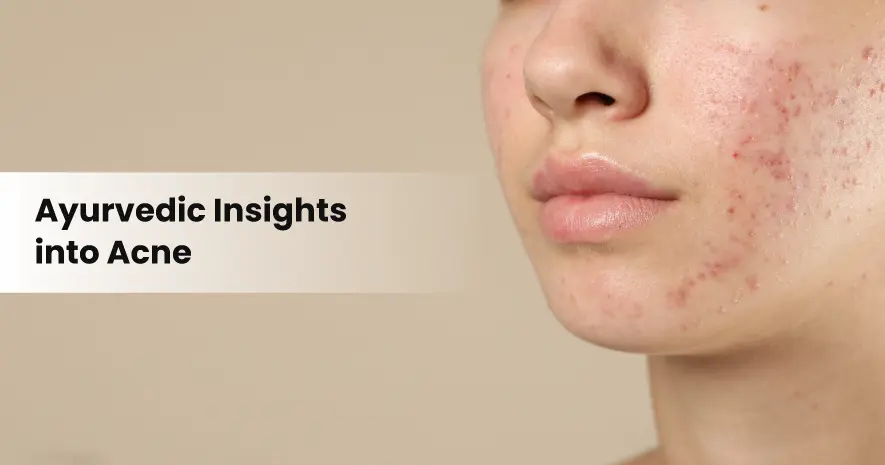
Acne is a multifactorial dermatological condition that significantly impacts the quality of life, especially during adolescence and early adulthood. Though not life-threatening, acne can deeply affect self-esteem, social interactions, and may lead to long-term skin changes such as scarring and pigmentation. In biomedical terms, acne vulgaris manifests through clogged pilosebaceous units due to excessive sebum production, follicular hyperkeratinization, microbial proliferation (notably Cutibacterium acnes), and inflammatory responses. These events culminate in lesions ranging from non-inflammatory comedones to painful cysts and nodules.
From the Ayurvedic standpoint, acne is recognized as Yuvanapidika—a condition that primarily arises during youth, reflecting hormonal changes, dietary errors, and doshic imbalances, particularly involving Pitta, Kapha, Rakta Dhatu, and Ama. Ayurveda offers a distinctive and integrative framework for acne management, grounded in individualized assessment, internal purification, external applications, lifestyle correction, and enhancement of digestive and metabolic function.
The Etiopathogenesis of Acne:
Acne's pathogenesis is intricately linked to both internal and external contributors. Internally, hormonal surges—especially androgens—stimulate sebaceous gland activity. Externally, exposure to comedogenic substances, occlusive cosmetics, and environmental pollutants exacerbate follicular occlusion. Psychological stress, poor dietary practices (including high-glycemic and dairy-rich foods), and gut dysbiosis further complicate the picture.
In Ayurveda, these factors are understood through the lens of dosha vitiation—particularly Pitta (associated with heat, inflammation, and transformation) and Kapha (associated with oiliness, stagnation, and mucous). When these doshas become imbalanced due to improper ahara (diet), vihara (lifestyle), or manasika nidana (mental causes), they accumulate in Rakta Dhatu (blood tissue) and localize in Tvak (skin), manifesting as pidika (pustular eruptions). Concurrently, Ama—the toxic metabolic residue formed due to impaired Agni (digestive/metabolic fire)—further obstructs the microchannels (srotas), aggravating the condition.
Clinical Manifestation and Classification
Acne lesions exhibit a spectrum of severity. Non-inflammatory types include blackheads (oxidized open comedones) and whiteheads (closed comedones), while inflammatory forms range from papules, pustules, and nodules to deeper cystic lesions. The most commonly affected areas include the face, upper back, chest, and shoulders—regions dense in sebaceous glands.
Clinically, symptoms may include erythema, tenderness, oily skin, and post-lesional hyperpigmentation or atrophic scarring. In severe cases, pain and psychological distress are also prominent. Ayurveda correlates these presentations with varying degrees of Pitta and Kapha involvement, alongside Raktadushti (vitiation of blood) and Srotorodha (obstruction of bodily channels).
Ayurvedic Treatment Protocols for Yuvanapidika

The management of acne in Ayurveda is systemic and constitutional, addressing both external manifestations and internal causative factors. The therapeutic roadmap consists of:
1. Shodhana Chikitsa (Purification Therapies)
In cases of chronic or stubborn acne with associated Ama and systemic involvement, purification therapies are preferred to expel morbid doshas and correct metabolic imbalances.
Virechana (Purgation): Targeted purgation using herbs such as Trivrit, Avipattikar, or Eranda Taila cleanses Pitta from the liver and intestines, improving skin health and reducing inflammation.
Raktamokshana (Bloodletting): When Rakta Dushti is predominant, techniques such as Jalaukavacharana (leech therapy) are employed to extract vitiated blood, especially in localized, pustular, or nodular lesions.
2. Shamana Chikitsa (Palliative Internal Medicines)
In mild to moderate acne, or post-Shodhana, internal medications are administered to pacify doshas, improve liver and blood metabolism, enhance immunity, and support detoxification.
Neem (Azadirachta indica): A potent krimighna and rakta shodhaka, known for its antibacterial, antifungal, and anti-inflammatory properties.
Manjistha (Rubia cordifolia): Renowned for its role in improving blood circulation, reducing pigmentation, and acting as a twak dosha hara (skin purifying agent).
Guduchi (Tinospora cordifolia): A systemic immunomodulator with tikta rasa and pitta-pacifying qualities.
Triphala: A gut and skin cleanser that supports Agni, regulates bowel movement, and prevents Ama accumulation.
Ashwagandha (Withania somnifera): Reduces stress-induced Vata-Pitta aggravation and supports hormonal balance.
Polyherbal formulations like Mahatikthaka Ghrita, Khadirarishta, Raktadanta Loha, and Arogya Vardhini Vati are frequently employed to support systemic detoxification and liver function.
3. Topical Therapies (Lepa and Dhara)
External treatments are designed to reduce inflammation, absorb excess oil, unclog pores, and accelerate healing.
Lepa (Herbal Pastes): Formulations containing Neem, Chandana, Haridra, Multani Mitti, and Manjistha are applied over lesions to calm Pitta and extract toxins.
Dhara (Medicated Decoction Pouring): Decoctions such as Triphala Kashaya or Aragwadhadi Kashaya may be used in kashaya dhara over the face or affected areas to cleanse and soothe.
Aloe vera gel, rose water compresses, and turmeric-honey masks offer both anti-inflammatory and antiseptic benefits.
4. Dietary Regulation (Ahara Niyama)
Diet plays a pivotal role in acne pathogenesis and resolution. Ayurvedic dietary guidance emphasizes Pitta-pacifying foods, proper hydration, and maintenance of digestive strength.
Foods rich in antioxidants and with tikta (bitter), kashaya (astringent), and madhura (sweet) rasas are favored—such as bitter gourd, spinach, coriander, and coconut water. Avoidance of fermented items, oily and spicy foods, sugar, caffeine, and incompatible food combinations (e.g., milk with sour fruits or fish) is mandatory.
5. Lifestyle Modification (Vihara and Dinacharya)
Proper sleep hygiene, physical activity, and stress reduction are integral. Chronic stress triggers a hormonal cascade increasing cortisol and androgens, thus exacerbating acne. Techniques such as Shitali and Sheetkari Pranayama help reduce internal heat, while daily Abhyanga with cooling oils like Brahmi Taila supports systemic equilibrium.
Facial hygiene must be maintained with gentle cleansing, avoiding harsh soaps and chemical exfoliants. Excessive use of cosmetics, unclean pillowcases, and picking at lesions worsen scarring and secondary infections. Regular yoga, early rising, and mindful eating restore doshic harmony.
Acne, though a seemingly external condition, is deeply rooted in internal systemic disturbances that reflect imbalances in digestion, metabolism, hormonal equilibrium, and emotional health. The Ayurvedic approach to acne—Yuvanapidika—recognizes this multidimensionality, advocating a blend of Shodhana (detoxification), Shamana (herbal correction), and Rasayana (rejuvenation) alongside individualized dietary and lifestyle modifications.
Rather than suppressing symptoms, Ayurveda seeks to correct the underlying derangements, thereby ensuring sustainable skin health. This ancient system provides not just a remedy for acne, but a roadmap for radiant, balanced, and resilient skin—emerging from a state of inner harmony.
October 16, 2026
October 09, 2026
September 24, 2026

September 19, 2026

September 18, 2026
September 03, 2026
We use cookies that are necessary for the smooth operation of the website, to improve our website and to display advertising relevant to you on social media platforms and partner websites. By clicking "Accept all", you agree to the use of cookies for convenience features and statistics and tracking. You can change these settings again at any time. If you do not agree, we will limit ourselves to technically necessary cookies. For more information, please see our privacy policy .