
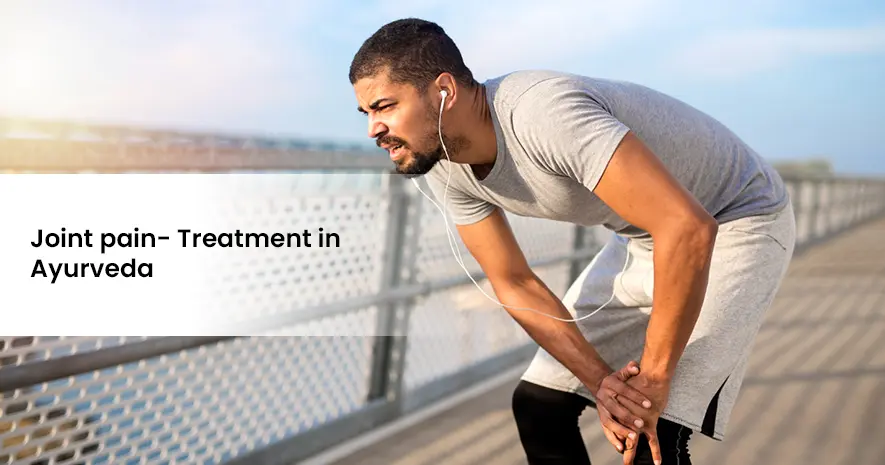
Ayurveda views joint pain not as an isolated issue, but as a systemic symptom pointing toward deeper imbalances in digestion, lifestyle, and the accumulation of metabolic waste known as Ama. Ayurveda provides a methodical framework to understand "why" there is pain and how to correct the internal environment sustaining it. In classical texts, joint-related disorders are often linked due to an aggravated Vata dosha. However, a proper diagnosis considers the individual's unique constitution (Prakriti) and the specific dosha involved.
Ayurvedic treatment for joint pain is typically delivered in three systemic stages:
1. Shodhana (Deep Detoxification)
When the condition is deep rooted, Panchakarma (deep detox) is used to eliminate toxins.
Snehana & Swedana: Oleation and steam therapies used to prepare the body for toxin removal.
Basti (Medicated Enemas): Since the colon is the primary seat of Vata, and the joints are a secondary site, medicated enemas are considered the most effective way to pacify systemic Vata at its root.
2. Shamana Chikitsa (Pacification)
For milder cases or following detox, internal medicines and external oils are used to pacify the doshas:
Herbal Medicines: Shallaki (Boswellia) and Guggulu are renowned for their anti-inflammatory and cartilage-protective actions. Clinical trials have shown that standardized Shallaki extract can significantly improve pain and mobility in knee osteoarthritis in as early as five days.
Topical Oils: Traditional blend of dozens of herbs used to provide deep lubrication and strength to joints and muscles.
3. Rasayana (Rejuvenation)
Rasayana therapy provides deep nourishment to body tissues to support their healing, renewal, and regeneration. It helps prevent the recurrence of joint pain and supports long-term physical function, making it especially important for managing chronic degeneration.
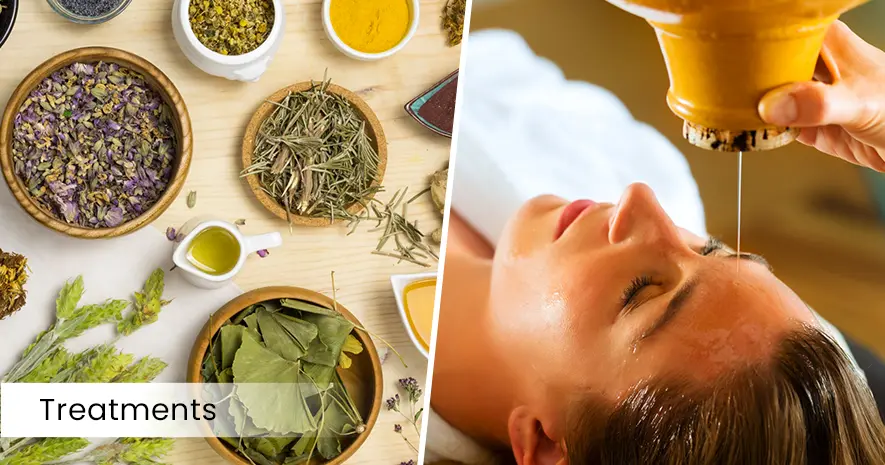
Dietary and Lifestyle
Those with inflammatory joint pain should avoid vegetables like potatoes, tomatoes, eggplants, and bell peppers, as they can aggravate the condition.
Encourage the use of black pepper, ginger, cinnamon, and cumin to strengthen digestion and prevent new Ama from forming.
Yoga is effective in reducing pain and stiffness; it can also improve the physical function of patients.
Post-Activity Recovery: Applying appropriate oil can relieve achiness and help in the natural recovery of muscle and joint tissues.
Stretching exercises can be useful in pain management in individuals with osteoarthritis.
Hydration and Lubrication: Consuming adequate fluids and high-quality organic oils, such as ghee or sesame oil, is essential to replenish the synovial fluid that cushions the joints.
Sreedhareeyam treatment approach for joint pain
In Ayurveda, joint pain is never treated as a single, uniform condition. It is essential to recognize that, while the symptom- pain-may feel similar, the underlying pathology can vary significantly between individuals and diseases. The treatment that helps one person might be ineffective or even counterproductive for another. By identifying the exact nature of the joint pain and the individual's unique internal environment, Sreedhareeyam provides a path toward sustained relief rather than a temporary mask for symptoms.
October 16, 2026
October 09, 2026

September 24, 2026

September 19, 2026

September 18, 2026

September 03, 2026
We use cookies that are necessary for the smooth operation of the website, to improve our website and to display advertising relevant to you on social media platforms and partner websites. By clicking "Accept all", you agree to the use of cookies for convenience features and statistics and tracking. You can change these settings again at any time. If you do not agree, we will limit ourselves to technically necessary cookies. For more information, please see our privacy policy .