

In today’s world, our eyes are under constant pressure. Hours spent staring at screens, exposure to pollution, stress, and irregular lifestyles have made dry eyes, strain, blurred vision, headaches, and fatigue everyday struggles for many. Eye drops may bring quick but temporary relief. In Ayurveda, the eyes are considered the principal organ of sight and are vital to our sensory well-being. Panchakarma—the comprehensive Ayurvedic purification regimen—offers a foundational means to cleanse the system of toxins and restore the optimum functioning of ocular tissues. Ayurveda offers a more complete solution by looking at the bigger picture: when the body is cleansed and balanced internally, the eyes often respond with lasting improvement.
The Ayurvedic View of Eye Health
The eyes are primarily governed by Alochaka Pitta, the subtle energy responsible for vision. However, Vata influences dryness, nerve function, and degeneration, while Kapha contributes to congestion and heaviness. When toxins (Ama) build up or micro-channels (Srotas) get obstructed, even minor imbalances can affect clarity, comfort, and long-term eye strength. Panchakarma works by addressing these root causes rather than just treating surface symptoms.
How Full-Body Detox Restores Ocular Health
Panchakarma includes five main procedures: Vamana (Therapeutic Emesis), Virechana (Purgation), Basti (Medicated Enema), Nasya (Nasal Drug Administration), and Raktamokshana (Bloodletting). While all five are used, Nasya and Raktamokshana hold special significance in treating head-and-neck diseases. Panchakarma acts through both Shodhana (purification) and Shamana (palliation) to create a holistic approach to eye care.
Here’s how Panchakarma supports vision restoration:
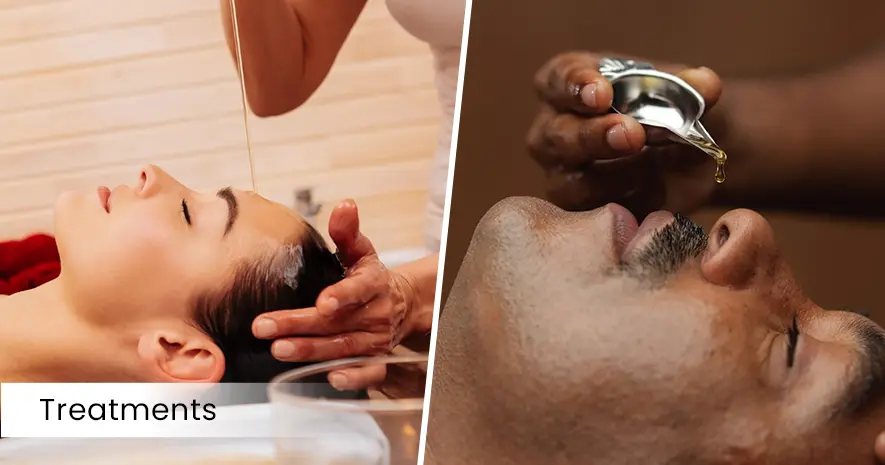
1. Nasya (Nasal Administration)
Known as the ‘gateway to the head’ (nasa hi shiraso dvaram), Nasya is the most targeted therapy for eye disorders. Medicated oils or powders reach the head channels to cleanse structures above the clavicle and nourish optic pathways. It clears Kapha congestion, opens channels, reduces dryness, and delivers nourishment directly to the eye region. It is particularly helpful for computer vision syndrome, sinus-related eye issues, dryness, myopia, and optic nerve support. However, in cases like advanced diabetic retinopathy and central serous retinopathy, nasya is containdicated or modified.
2. Raktamokshana (Bloodletting, including Leech Therapy)
Often performed via leech therapy (Jaloukavacharana), this provides rapid relief in acute ocular inflammations by removing vitiated blood and improving micro-circulation. It is useful in conditions such as Abhishyanda (conjunctivitis), and disorders with vitiated Rakta or Pitta. The bioactive substances in leech saliva offer anticoagulant, anti-inflammatory, anaesthetic, vasodilator, analgesic, and antithrombotic effects.
3. Vamana (Therapeutic Emesis)
Used when Kapha is dominant, this helps relieve heaviness, itching, and whitish discharge. It is beneficial in Kapha-dominant ocular disorders like chronic conjunctivitis, blepharitis, trichiasis/madarosis etc.
4. Virechana (Purgation)
This systemic detox removes excess Pitta and toxins from the entire body. It is highly recommended for inflammatory ocular conditions presenting with burning, redness, and congestion.
5. Vasti (Medicated Enema)
Although administered via the lower bowel, Vasti is crucial for balancing Vata, the primary dosha governing neural and sensory activities. It supports nerve conductivity and manages degenerative eye conditions like dry-eye syndrome, glaucoma, optic neuropathy, and Vata-dominant disorders. Vasti becomes a key therapy, because most neuro-ophthalmic issues are Vata-dominant.
Specialized Eye Therapies Post-Shodhana
After the body has been prepared through systemic purification, specialized local therapies become much more effective. Akshi Tarpana (or Netra Basti) involves creating a dam of flour dough around the eye and filling it with medicated ghee. This deeply nourishes the eyes, protects against degenerative disorders and inflammation, delays aging, and improves vision. It is excellent for dryness, stiffness, blurred vision, conjunctivitis, watery eyes, and glaucoma support.
- Other supportive therapies include Anjana, Putapaka, and Aschotana.
The Benefits of Ocular Panchakarma
The combined use of these therapies creates a synergistic effect that addresses the root cause of vision issues. Key benefits include:
Clearing obstructed channels to increase circulation and nourishment to the retina and optic nerve.
Strengthening ocular muscles and providing neuro-vascular support.
Anti-inflammatory and antioxidant effects that delay degenerative changes and healthy ocular aging.
Relief from symptoms such as blurred vision, watery eyes, and ocular fatigue.
Conclusion
Panchakarma offers a significant, multi-dimensional solution for maintaining eye health and managing disorders. However, for advanced conditions like retinal detachment or acute glaucoma, Panchakarma should be used as a supportive, integrative therapy alongside modern ophthalmology. By purifying the body and restoring the flow of prana (life), this ancient detox system helps preserve one of our most precious gifts: our sight.
Frequently Asked Questions (FAQs)
Q1: Can Panchakarma really improve vision?
It can support better eye comfort, clarity, and function by addressing root causes like toxin accumulation and dosha imbalance. Many people report improved lubrication, reduced strain, and slower progression of certain conditions, but results vary by individual and condition. It works best alongside healthy lifestyle practices.
Q2: How long does a Panchakarma protocol for eyes typically take?
It depends on the person’s health status. A typical course may range from 7 to 21 days or more, including preparatory procedures, main therapies, and post-cleansing rejuvenation. Local eye treatments are often continued afterward.
Q3: Is Nasya safe for everyone?
Nasya is generally safe when administered correctly, but it may need modification or avoidance in certain conditions like advanced diabetic retinopathy. A proper assessment by an Ayurvedic doctor is essential.
Q4: What about leech therapy for eyes?
Leech therapy (Jaloukavacharana) is used locally or regionally in specific inflammatory conditions. The bioactive enzymes in leech saliva help reduce inflammation and improve circulation. It is done only by trained practitioners.
Q5: Can Panchakarma replace eye surgery or modern medicines?
No. It serves as a complementary approach. It can be used supportively before or after modern treatments but should not replace necessary medical or surgical care in serious cases.
Q6: How can I maintain eye health after Panchakarma?
Follow a proper diet (Pathya), practice daily eye exercises (like palming or Trataka), limit screen time, get adequate sleep, and incorporate suitable local therapies such as Tarpana or Anjana as advised.
Q7: Who is the best candidate for Panchakarma eye protocols?
People with chronic dry eyes, computer vision syndrome, early degenerative changes, recurrent inflammation, or those seeking preventive care often benefit most. A detailed consultation determines suitability.
October 16, 2026

October 09, 2026

September 24, 2026

September 19, 2026

September 18, 2026

September 03, 2026
We use cookies that are necessary for the smooth operation of the website, to improve our website and to display advertising relevant to you on social media platforms and partner websites. By clicking "Accept all", you agree to the use of cookies for convenience features and statistics and tracking. You can change these settings again at any time. If you do not agree, we will limit ourselves to technically necessary cookies. For more information, please see our privacy policy .