
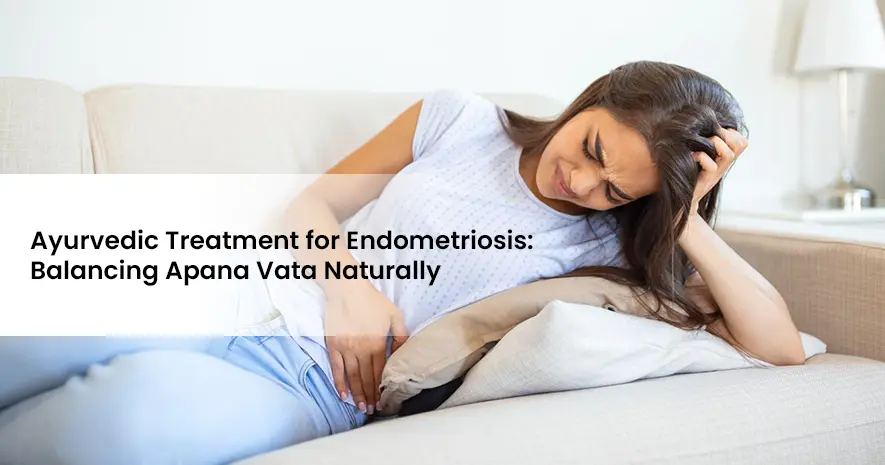
Endometriosis is a complex, often painful condition that affects millions of women worldwide. Ayurveda provides a natural roadmap for finding balance, reducing pain, and supporting long-term reproductive health.
The uterus is lined with a special tissue called the endometrium, which thickens each month in preparation for a potential pregnancy and sheds during menstruation if pregnancy does not occur. Endometriosis occurs when tissue that is similar to the lining of the uterus begins to grow outside of the uterine cavity.
These rogue endometrial-like tissues most commonly develop on the ovaries, fallopian tubes, and the tissue lining the pelvis. Just like the lining inside the uterus, these misplaced tissues respond to the body's monthly hormonal cycle—they thicken, break down, and bleed. However, because this tissue has no way to exit the body, it becomes trapped.
- Severe inflammation and irritation of surrounding tissues.
- The formation of scar tissue and adhesions (bands of fibrous tissue that can cause pelvic organs to stick together).
- Endometriomas (cysts, commonly on the ovaries).
- Symptoms like intense pelvic pain (especially during periods), heavy bleeding, pain during intercourse, and in some cases, infertility.
Modern treatments typically involve pain medications, hormone therapy (like birth control) to suppress the menstrual cycle, or surgery to remove the tissue.
In Ayurveda, endometriosis is primarily viewed as a condition born from an imbalance in Vata dosha, specifically a sub-dosha called Apana Vata.
Apana Vata is located in the lower abdomen and pelvis. It governs all downward and outward flows in the body, including urination, bowel movements, and, crucially, menstruation. When Apana Vata is healthy and balanced, menstrual blood flows easily downward and out of the body.
However, when Apana Vata becomes blocked, aggravated, or reversed in its flow (a condition called Vata pratiloma) it affects the normal functioning of the body.
While Vata is the driving force, the other doshas are also involved:
Pitta involvement: The trapped tissue causes localized inflammation, irritation, and bleeding, which are classic signs of aggravated Pitta.
Kapha involvement: The actual buildup of tissue, cysts, and structural changes (like adhesions) represents an accumulation of heavy, dense Kapha energy.
Therefore, treating endometriosis in Ayurveda requires a multi-faceted approach: clearing the pathways, reducing inflammation, but above all, pacifying and redirecting Apana Vata back to its natural downward flow.
Natural Ayurvedic Strategies to Balance Apana Vata at SreedhareeyamNatural Ayurvedic Strategies to Balance Apana Vata at Sreedhareeyam
Balancing Apana Vata requires a soothing, grounding, and warming approach to your diet, lifestyle, and herbal regimen.
Because Vata is naturally cold, dry, and mobile, your diet should be the exact opposite: warm, moist, and grounding.
- Favor warm, cooked foods: Opt for nourishing soups, stews, root vegetables, and cooked grains.
- Embrace healthy fats: Ghee (clarified butter) is highly revered in Ayurveda for lubricating the reproductive channels (artavavaha srotas) and calming Vata.
- Avoid Vata-aggravating foods: Strictly limit cold foods, raw salads, ice water, excessive caffeine, and refined sugars, all of which constrict the bodily channels and aggravate Vata and inflammation.
Ayurveda utilizes specific herbs to balance the doshas, cleanse the blood, and support the reproductive system. (Note: Always consult with a doctor before starting medicine).
Ashoka: Known as the "remover of sorrow," this is one of the premier Ayurvedic herbs for female reproductive health. It acts as a uterine tonic and helps regulate menstrual flow.
Shatavari: A deeply nourishing and cooling herb that supports hormonal balance, soothes Pitta inflammation, and provides strength to the reproductive organs.
Turmeric & Guggulu: When combined, these offer powerful natural anti-inflammatory properties that help "scrape" away stagnant Kapha (excess tissue) and reduce Pitta (inflammation).
How you live day-to-day heavily influences Apana Vata.
- Rest During Menstruation: This is non-negotiable in Ayurveda. Over-exertion during your period forces Apana Vata upward. Take those days to truly rest, avoiding intense workouts, travel, or high-stress activities.
- Abhyanga (Self-Massage): Massaging your body with warm sesame oil grounds the nervous system and pacifies Vata globally.
4. Yoga and Breathwork
Gentle, restorative yoga poses help open the pelvic region and encourage downward energy flow.
- Poses like Baddha Konasana (Butterfly Pose), Supta Baddha Konasana (Reclined Butterfly), and Balasana (Child’s Pose) are excellent.
- Practicing Anulom Vilom (Alternate Nostril Breathing) helps calm the nervous system and balances all three doshas.
5. Panchakarma
For deep-rooted conditions like endometriosis, we often recommend Panchakarma (Ayurvedic detoxification). Specifically, Basti (medicated herbal enemas) is considered the most effective, direct treatment for bringing Apana Vata back into balance right at its home base in the colon and pelvic cavity.
Basti Karma (Medicated Enema): This is the cornerstone of treatment, as the colon and pelvic region are the primary seats of Vata.
- Yoga/Kala Basti: A structured cycle of alternating herbal decoction (Niruha) and medicated oil (Anuvasana) enemas. This pacifies Vata, breaks down adhesions, and significantly reduces pelvic pain and dysmenorrhea.
- Uttara Basti: The administration of sterile, medicated oils or decoctions directly into the vaginal or intrauterine cavity. It acts locally to clear inflammation, heal the endometrium, and support fertility.
Virechana (Therapeutic Purgation): Targets the Pitta component. Virechana purifies the blood (Rakta Dhatu), reduces systemic inflammation, and helps manage heavy or prolonged menstrual bleeding.
Avagaha Sweda (Herbal Sitz Bath): Sitting in warm, medicated decoctions (such as Dashamoola Kwatha) provides rapid, localized relief for severe pelvic pain and muscle spasms.
Kati Basti / Yoni Pichu: Retaining warm medicated oil over the lumbosacral region (Kati Basti) relieves referred lower back pain, while vaginal tampons soaked in medicated oil (Yoni Pichu) soothe local tissues.
FAQs
1. Are there specific foods I should eat or avoid to manage my symptoms?
Yes. Because Vata is naturally cold, dry, and mobile, an Ayurvedic diet for endometriosis focuses on the exact opposite: warm, moist, and grounding foods.
Eat: Warm, cooked meals like nourishing soups, root vegetables, and healthy fats like ghee, which helps lubricate the reproductive channels.
Avoid: Cold foods, ice water, raw salads, excessive caffeine, and refined sugars, as these can constrict the body's channels and worsen inflammation and Vata imbalance.
2. Why does Ayurveda strictly recommend resting during my period?
During menstruation, your body's Apana Vata is working hard to push energy and physical matter downward and out of the body. Engaging in high-stress activities, intense workouts, or heavy travel forces this energy upward—a condition called Vata pratiloma. This upward push is a major contributor to menstrual pain. Resting allows your body's natural downward clearing process to happen without resistance.
3. What is "Uttara Basti" and why is it used for reproductive health?
Uttara Basti is a specialized Ayurvedic therapy used to treat deep-seated gynecological issues. It involves the careful administration of sterile, medicated oils or herbal decoctions directly into the vaginal or intrauterine cavity. This allows the medicine to act locally right at the source—clearing inflammation, healing the endometrial lining, and supporting overall fertility.
4. How does Ayurveda address the severe lower back and pelvic pain associated with endometriosis?
Ayurveda offers targeted, localized therapies to provide rapid relief for severe pain. Kati Basti involves retaining warm, medicated oil over the lower back to relieve referred pain and muscle spasms. Another highly effective treatment is Avagaha Sweda (Herbal Sitz Bath), where you sit in a warm, medicated herbal decoction to soothe the pelvic cavity, reduce spasms, and bring fast, localized pain relief.
October 16, 2026
October 09, 2026

September 24, 2026
September 19, 2026

September 18, 2026

September 03, 2026
We use cookies that are necessary for the smooth operation of the website, to improve our website and to display advertising relevant to you on social media platforms and partner websites. By clicking "Accept all", you agree to the use of cookies for convenience features and statistics and tracking. You can change these settings again at any time. If you do not agree, we will limit ourselves to technically necessary cookies. For more information, please see our privacy policy .