
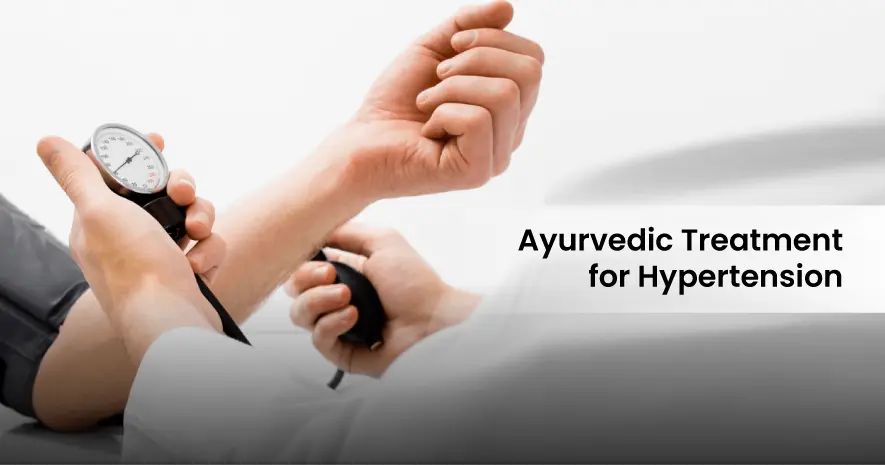
Hypertension, commonly known as high blood pressure, is a chronic condition that significantly increases the risk of cardiovascular disease, stroke, and renal dysfunction. With its rising global prevalence, attributed largely to poor dietary habits, psychosocial stress, and sedentary lifestyles, the need for integrative management has become increasingly relevant. While allopathic medicine relies heavily on pharmacological interventions to manage blood pressure, Ayurveda offers a holistic, individualized approach that not only addresses symptomatic elevation but targets the root physiological and psychological imbalances.
Although the term "hypertension" does not appear in classical Ayurvedic texts, its clinical features and pathogenesis align closely with conditions such as Raktagata Vata (vitiated Vata in circulating blood), Rakta Vriddhi (increase in blood volume or pressure), and the more contemporary usage of the term Uchcha Raktachapa. The pathology of hypertension is multifactorial, involving derangements in all three doshas, but predominantly Vata and Pitta. Vata governs circulation and neural impulses, while Pitta regulates metabolic and enzymatic functions, including vascular tone and temperature regulation.
The vitiation of these doshas can be triggered by chronic psychological stress, excessive intake of spicy and salty foods, alcohol consumption, suppression of natural urges, and erratic sleep-wake cycles. These behaviors disrupt Agni (digestive/metabolic fire), leading to the accumulation of Ama (metabolic toxins) and resulting in Srotorodha (blockage of microchannels), which impairs vascular compliance and elevates blood pressure.
Although hypertension often remains asymptomatic until complications arise, patients may occasionally report occipital headaches, dizziness, palpitations, irritability, fatigue, or visual disturbances. Ayurveda attributes such presentations to deranged Prana Vata and Sadhaka Pitta, affecting the heart-brain axis. Persistent Vata aggravation impairs neurovascular regulation, while elevated Pitta exacerbates heat, irritability, and reactivity within the cardiovascular system.
The Ayurvedic approach to hypertension is multidimensional, emphasizing dosha pacification, metabolic correction, toxin elimination, and stress reduction through personalized interventions encompassing diet, lifestyle, herbal pharmacotherapy, and detoxification procedures.
Dietary Regulation (Ahara Chikitsa)
A Vata-Pitta-pacifying diet plays a foundational role. Patients are encouraged to consume foods that are light, cooling, and unctuous. Fresh fruits like pomegranate, apples, and pears help cleanse the blood and balance Pitta. Vegetables such as bottle gourd and leafy greens provide natural diuretics and antioxidants. Whole grains like barley and oats regulate Kapha and support digestion. Moderation in salt intake is crucial. Spices such as coriander, cumin, and turmeric enhance Agni without provoking Pitta. Fermented, fried, and excessively spicy foods are contraindicated as they can aggravate systemic inflammation and vascular constriction.
Herbal Pharmacotherapy
Several Ayurvedic herbs have demonstrated efficacy in modulating blood pressure by acting on the nervous system, cardiovascular musculature, and renal pathways. Arjuna (Terminalia arjuna), a cardioprotective herb, is traditionally used to strengthen myocardial function and improve coronary circulation. Ashwagandha (Withania somnifera), an adaptogen, stabilizes the hypothalamic-pituitary-adrenal axis, alleviates anxiety, and reduces systemic cortisol levels. Brahmi (Bacopa monnieri) and Shankhapushpi support neurovascular relaxation by enhancing parasympathetic activity. Sarpagandha (Rauwolfia serpentina), a classical antihypertensive with proven reserpine content, must be used cautiously under clinical supervision due to its potent sedative effects. Triphala, with its mild detoxifying and bowel-regulating action, helps eliminate Ama and improves metabolic function.
Lifestyle Modifications and Behavioral Interventions
Ayurveda emphasizes the significance of Dinacharya (daily routine) and Sadvritta (ethical living) in managing chronic conditions like hypertension. A calm, orderly lifestyle anchored in regular wake and sleep cycles helps balance Vata. Suppression of natural urges—such as urination or hunger—is discouraged, as such behavior disrupts Vyana Vata, the sub-dosha governing circulation.
Stress is acknowledged as a major contributor to hypertension. Practices such as meditation, Yoga Nidra, and mindfulness help regulate the autonomic nervous system and restore emotional equilibrium. Pranayama techniques like Anuloma Viloma and Bhramari enhance vagal tone and reduce sympathetic overdrive. Gentle physical activities such as walking, swimming, or Tai Chi improve circulation without overexerting the heart.
Therapeutic Interventions
Ayurvedic external and internal therapies are particularly beneficial in regulating blood pressure and addressing its underlying causes:
Shirodhara, the rhythmic pouring of medicated oils such as Brahmi Taila on the forehead, calms the hypothalamus and promotes deep relaxation.
Abhyanga, or full-body massage with warm oils like Ashwagandha Bala Lakshadi Taila, improves peripheral circulation, reduces vascular stiffness, and harmonizes Vata.
Nasya, the nasal instillation of oils such as Anu Taila, is believed to regulate cerebral circulation and eliminate accumulated Ama in the head and neck region.
Panchakarma therapies, especially Virechana (therapeutic purgation) and Basti (medicated enemas), are employed to purify the body, balance Vata-Pitta, and support long-term vascular health.
Dinacharya and Prevention
A robust daily regimen forms the backbone of preventive care. Starting the day early, performing oil pulling, drinking warm herbal-infused water, and engaging in light exercise establish balance and improve Agni. Avoiding excessive physical or emotional exertion, limiting screen time before bed, and cultivating a sattvic mindset through prayer or introspection contribute to sustained mental and cardiovascular well-being.
Avoidance of risk factors such as high-sodium processed foods, stimulants, alcohol, and tobacco is critical. In individuals with a genetic predisposition or familial history of hypertension, regular monitoring and early lifestyle correction are emphasized.
Clinical Considerations and When to Seek Help
While Ayurveda can effectively manage mild to moderate hypertension, especially cases related to stress or metabolic disturbances, it is crucial to consult a qualified practitioner when blood pressure consistently exceeds 140/90 mmHg or if there are signs of end-organ damage such as visual changes, severe headaches, or chest pain. Patients on allopathic antihypertensive medications should inform their physicians before incorporating herbs like Sarpagandha, due to potential interactions.
Ayurveda offers a profound and holistic strategy for managing hypertension by addressing the psychophysiological roots of doshic imbalance, optimizing digestion and circulation, and reducing stress through herbal, dietary, and lifestyle interventions. Rather than simply focusing on numerical targets, Ayurvedic care nurtures the entire ecosystem of the human body, aiming to restore not only normal blood pressure but also vitality, clarity, and longevity.
July 17, 2026

July 14, 2026

July 09, 2026

June 18, 2026

June 08, 2026

June 04, 2026

June 04, 2026

May 30, 2026

May 26, 2026

May 18, 2026

May 05, 2026

April 30, 2026
We use cookies that are necessary for the smooth operation of the website, to improve our website and to display advertising relevant to you on social media platforms and partner websites. By clicking "Accept all", you agree to the use of cookies for convenience features and statistics and tracking. You can change these settings again at any time. If you do not agree, we will limit ourselves to technically necessary cookies. For more information, please see our privacy policy .