
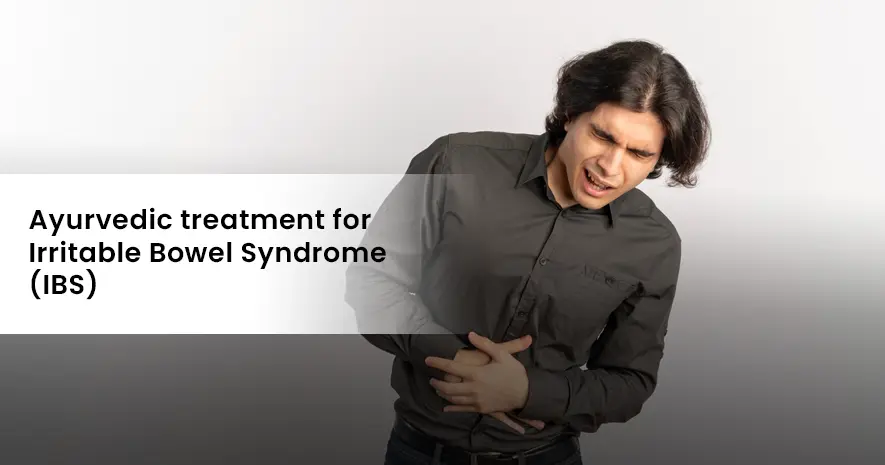
In Ayurveda, Irritable Bowel Syndrome (IBS) is primarily correlated with Grahani Roga. It is characterized as a functional disorder where there is chronic abdominal pain, bloating, and altered bowel habits such as diarrhea, constipation, or an irregular alternation of both without an organic cause.
The pathogenesis of this condition revolves around Agni Dusti (vitiation of the digestive fire). When the digestive fire (Agni) is impaired, it leads to the formation of Ama (undigested toxic material), which clogs the body's channels and disturbs the normal functioning of the gastrointestinal tract.
Causes and Pathophysiology of IBS
The exact etiology of Irritable Bowel Syndrome (IBS) remains unknown, but it is clinically recognized as a disorder of the brain-gut axis. This means symptoms arise from a communication failure between the nervous system and the digestive tract.
The Gut-Brain Connection
The sources emphasize that IBS is a multifactorial disease involving complex interactions between the nervous and digestive systems. Psychological factors such as stress, anxiety, and depression play a significant role in triggering or exacerbating symptoms. Ayurveda addresses this through the management of Manasika Doshas (mental humors) like Raja and Tama.
Common Contributing Factors:
- Psychological History: Early life trauma or current mental health conditions like anxiety, depression, and somatic symptom disorder.
- Microbiological Factors: Recent gastrointestinal bacterial infections or Small Intestinal Bacterial Overgrowth
- Food Sensitivities: Adverse digestive reactions to specific food groups, though these are often sensitivities rather than true allergies.
Treatment Modalities Practiced at Sreedhareeyam
Treatment is typically divided into two main approaches: Shamana (palliative/oral medications) and Shodhana (purificatory procedures)
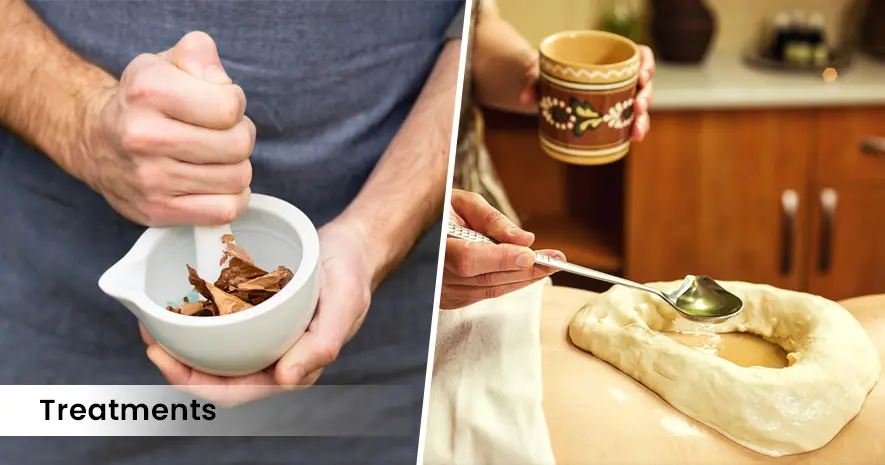
1. Shamana Chikitsa (Oral Medications)
The goal of oral therapy is to improve digestive capacity (Agni Deepana), aid digestion (Pachana), and improve stool consistency (Grahi). For patients experiencing digestive distress, the protocol includes Deepana-Pachana medicines such as Hingwastak Choorna which are highly effective at relieving bloating and correcting indigestion. In cases where bowel regulation is the primary concern, potent oral medicines are used to manage diarrhea or enhance intestinal motility for those with constipation predominant symptoms.
Furthermore, because IBS is often exacerbated by mental health, the treatment plan incorporates Medya (nootropic) herbs. Medicines like Manasamitra Vatakam act as brain tonics to provide essential psychological support, helping to reduce the anxiety and stress-related triggers that frequently lead to symptomatic flare-ups. This dual approach ensures that both the physical gut irritation and the underlying nervous system imbalances are addressed simultaneously.
2. Shodhana Chikitsa (Panchakarma)
Purification therapies are advised for more severe or chronic cases to remove deep-seated toxins.
- Basti (Medicated Enema): It is considered a primary treatment for correcting Vata Dosha in the colon. Piccha Basti is specifically noted for its ulcer-healing and digestive-promoting effects.
- Virechana (Purgation): Sadyovirechana (mild purgation) using substances like Trivrut Leha helps eliminate Ama and stimulate Agni.
- Shirodhara: Pouring medicated oil on the forehead, is used to manage the psychological burden and anxiety associated with IBS.
Dietary and Lifestyle Recommendations (Pathya)
Dietary modification is crucial for preventing relapse and ensuring speedy recovery.
Recommended Foods: Buttermilk (Takra) is highly emphasized as it is easy to digest and helps balance the gut flora. Other recommended items include old rice, green gram soup, pomegranate, and ginger. Since lactose sensitivity is prevalent among IBS patients, decreasing your intake of milk and cheese may alleviate symptoms. To minimize bloating and abdominal pressure, cut back on cruciferous vegetables (like cabbage), legumes, and fizzy drinks. Even habits like chewing gum should be avoided, as they can lead to excess air ingestion.
Prioritize Hydration: Aim for a daily intake of approximately two liters of water to ensure the digestive system remains properly hydrated. Consistent fluid consumption is a key factor in maintaining regular bowel movements and avoiding constipation.
Lifestyle Changes: Patients are advised to avoid Adhyashana (eating before the previous meal is digested) and Vishamashana (irregular eating schedules).
Daily Habits: It is important to avoid sleeping during the day (Diwasvapana) and staying up late at night (Ratrijagaranam). Regular exercise, yoga, and meditation are recommended to strengthen the body and reduce mental stress.
Maintain a Dietary Log: Documenting your daily meals can help identify specific nutritional triggers that cause symptom flare-ups.
Recognizing that every patient’s constitution and symptom profile are unique, Sreedhareeyam provides specialized care for Irritable Bowel Syndrome (IBS) through a personalized Ayurvedic approach. Depending on the individual's condition, we administer specialized procedures such as Vasti (medicated enema), Virechana (medicated purgation to cleanse the digestive tract and improve metabolic function) etc treatments. Every treatment plan is uniquely structured, ensuring that the therapy addresses the root cause and specific triggers of each patient's IBS.
May 05, 2026

April 30, 2026

April 22, 2026
April 20, 2026

April 17, 2026

April 17, 2026

March 30, 2026

March 25, 2026

March 20, 2026

March 09, 2026

March 05, 2026
We use cookies that are necessary for the smooth operation of the website, to improve our website and to display advertising relevant to you on social media platforms and partner websites. By clicking "Accept all", you agree to the use of cookies for convenience features and statistics and tracking. You can change these settings again at any time. If you do not agree, we will limit ourselves to technically necessary cookies. For more information, please see our privacy policy .