
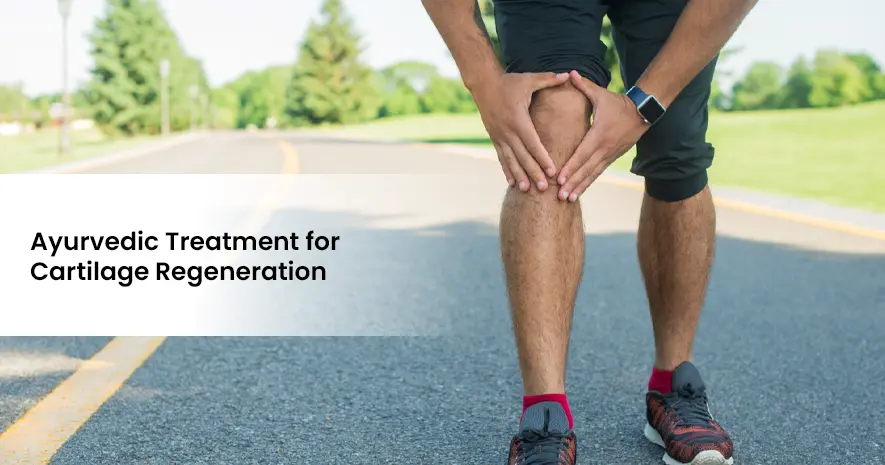
In the modern world, joint issues and the degradation of articular cartilage—the smooth tissue covering the ends of bones—are becoming increasingly common. While conventional medicine often focuses on managing symptoms with painkillers, Ayurveda offers a comprehensive system for not only protecting existing cartilage but also creating a bodily environment conducive to repair and regeneration.
In Ayurvedic texts, cartilage is referred to as Tarunasthi. Unlike the hard and rigid nature of bone (Asthi), Tarunasthi is characterized as being tough, elastic, and flexible, taking birth from a process that involves the transformation of Medo Dhatu (fatty tissue) with the help of Prithvi (Earth) and Vayu (Air) elements. Ayurveda identifies two primary types of cartilage: those covering joint ends and those residing within the joint space.
Ayurveda teaches that Vata Dosha resides primarily in the bones. Because Vata governs movement and has qualities like dryness and roughness, its vitiation (imbalance) is a leading cause of the degeneration of body parts, including cartilage.
To combat this, the general principle of Vata-pacifying treatment is essential for cartilage health. This involves:
- Sthanika Basti: Localized treatments like Janubasti (for the knee) where a reservoir of warm medicated oil is held over the joint.
- Abhyanga: Therapeutic massage with medicated oils to counteract the dryness of Vata.
- Swedana: Fomentation or steam treatments, specifically Potli-Sweda (herbal poultice massage), to improve circulation and flexibility.
- Basti: Medicated enemas, which are considered a prime treatment for Vata disorders and can provide deep nourishment to the tissues.
Ayurvedic Herbs for Cartilage Regeneration
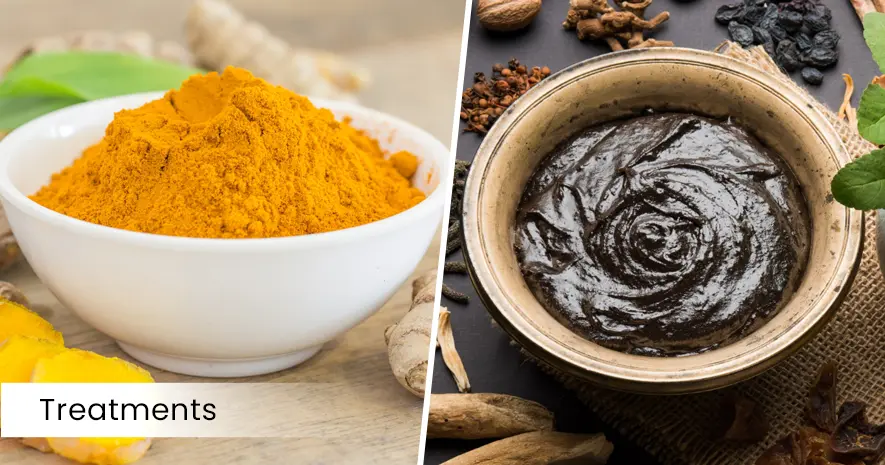
Research into phytochemicals has confirmed that many plants used in Ayurveda possess potent chondroprotective (cartilage-protecting) and chondroinductive (cartilage-inducing) properties.
1. Curcumin (Turmeric): A powerhouse polyphenol, curcumin suppresses inflammatory signaling pathways that degrade the cartilage matrix. It has shown a significant ability to create a favorable microenvironment for the growth of new cartilage cells.
2. Boswellia serrata (Sallaki): The oleoresin of Boswellia plays a crucial role in reducing the breakdown of glycosaminoglycans—key structural components of cartilage. It is considered comparable in mechanism to conventional nutraceuticals like glucosamine sulphate.
3. Zingiber officinale (Ginger): Used for centuries for pain relief, ginger contains gingerols that suppress inflammatory enzymes like COX-2 and reduce the production of nitric oxide, which otherwise contributes to cartilage death.
4. Phyllanthus emblica (Amla): This fruit extract exhibits significant chondroprotective activity and synergizes beautifully with Boswellia to inhibit the release of cartilage-degrading markers.
5. Tinospora cordifolia (Guduchi): Known for its immune-modulating properties, it helps scavenge harmful molecules that cause joint pain and inflammation.
6. Sesamin (Sesame Seeds): Found in sesame oil (often used for Ayurvedic massage), sesamin promotes the synthesis of proteoglycans, which are vital for cartilage's weight-bearing ability.
Lifestyle and Prevention: The Ayurvedic Regimen
Regeneration is not just about herbs; it's about a total lifestyle that supports tissue health. Ayurveda emphasizes:
- Dincharya (Daily Regimen): Consistent routines that minimize stress on the joints and maintain Vata balance.
- Ritucharya (Seasonal Regimen): Adjusting diet and activities to align with seasonal changes, such as extra care for joints during cold, windy seasons.
- Rasayana Therapy: The use of rejuvenative medicines and a healthy lifestyle (Achara Rasayana) to fight the aging process (Jara) and prevent tissue decay.
By focusing on balancing Vata dosha through specialized therapies and utilizing the potent anti-inflammatory power of Ayurvedic herbs, we can move beyond mere pain relief toward the genuine preservation and restoration of joint health.
July 17, 2026

July 14, 2026

July 09, 2026

June 18, 2026

June 08, 2026

June 04, 2026

June 04, 2026

May 30, 2026

May 26, 2026

May 18, 2026

May 05, 2026
We use cookies that are necessary for the smooth operation of the website, to improve our website and to display advertising relevant to you on social media platforms and partner websites. By clicking "Accept all", you agree to the use of cookies for convenience features and statistics and tracking. You can change these settings again at any time. If you do not agree, we will limit ourselves to technically necessary cookies. For more information, please see our privacy policy .