
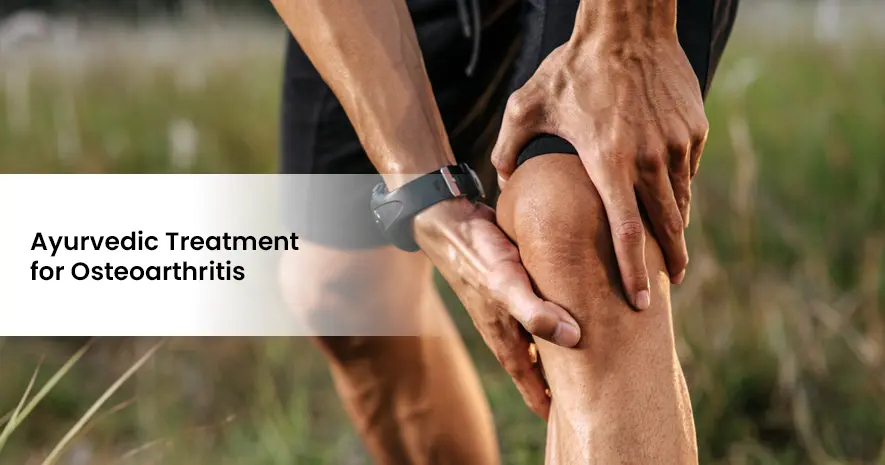
Managing osteoarthritis (OA) through Ayurveda involves a comprehensive, multimodal approach that targets both the symptoms and the underlying systemic imbalances. In Ayurveda, OA is primarily correlated with Sandhigatavata, a condition where the Vata Dosha, becomes aggravated and settles in the joints. This process leads to the destruction of joint structure and function, manifesting as pain (Sandhi-shula), stiffness (Stabdhata), and swelling (Shotha).
Ayurveda views OA as a disease where the "dry" and "cold" qualities of aggravated Vata destroy the unctuousness of the joints. Diagnosis is highly individualized, focusing on a patient's unique constitution (Prakriti) and their current imbalances (Vikriti) rather than just structural damage. Factors like improper diet, unfavorable lifestyle, aging, and trauma are considered primary causes of this Vata imbalance.
Management of Osteoarthritis
1. Internal Herbal Remedies
- Guggulu Formulations: Formulations such as Yogaraja Guggulu and Laksha Guggulu are frequently used to strengthen joint tissues and reduce inflammation.
- Ashwagandha: Often used as a regenerative tonic (Rasayana) to support bone density and soothe the nervous system.
- Shallaki: Known for its potent anti-inflammatory and analgesic effects specifically for joint diseases.
2. External Procedures and Panchakarma
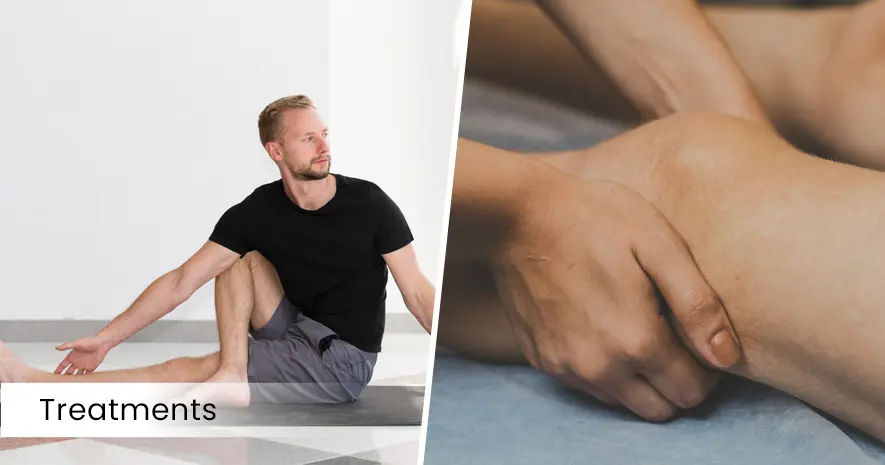
- Janu Basti: This involves creating a dough pool around the knee and filling it with warm medicated oil to nourish and lubricate the joint tissues.
- Abhyanga and Swedana: Therapeutic oil massages followed by herbal steam (Nadi Sweda) help improve circulation and relieve stiffness.
- Basti and Matra Basti: Ayurveda treats the systemic root in the colon (Pakwashaya), the primary site of Vata. It helps eliminate metabolic waste products and provides systemic unctuousness to combat the "dryness" characteristic of Vata.
Dietary Guidelines
Ayurvedic nutrition for OA focuses on pacifying Vata and reducing systemic inflammation.
- Foods to Favor:
○ Warm, cooked foods: Prefer lukewarm water and buttermilk over cold drinks.
○ Anti-inflammatory spices: Incorporate ginger, turmeric, garlic, and cinnamon into meals.
○ Healthy Fats: Use Ghee or olive oil to combat joint dryness.
○ Specific Nutrients: Increase intake of Vitamin K (spinach, kale, broccoli) and Omega-3 fatty acids (oily fish or flaxseed) to support cartilage mineralization.
- Foods to Avoid:
○ Cold and dry items: Avoid curd, fried or overly processed foods.
○ Aggravating flavors: Limit excess salt, pickles, and very spicy food (Katu Rasa).
- Weight Management: If overweight, a 5–10% reduction in body weight is paramount.
Lifestyle and Physical Activity
A balanced lifestyle is essential for long-term joint health and preventing further degeneration.
- Ayurvedic Lifestyle Recommendations:
○ Yoga: Specific knee-strengthening yoga postures are integral to treatment.
○ Self-Care: Daily self-applied knee massages help maintain lubrication.
○ Mental Well-being: Avoid excessive stressors like worry (Chinta) or grief (Shoka), and ensure adequate sleep.
○ Behavioral Modification: Avoid excessive awakening at night (Atijagarana) and excessive physical exertion.
- Activity Recommendations:
○ Aerobic and Strengthening: Guidelines recommend 150 minutes per week of moderate-intensity activity (like brisk walking or swimming) plus 2 days per week of muscle-strengthening exercises.
○ Step Counting: Maintaining a threshold of 6,000 to 10,000 steps per day is associated with lower functional limitations.
○ Sedentary Behavior: It is vital to break up long periods of sitting throughout the day.
Ayurvedic management offers a holistic and personalized alternative to standard palliative care. By combining internal herbs, specialized external therapies like Janu Basti, and active self-care through diet and yoga, patients can achieve significant symptom relief and improve their overall quality of life. As a multimodal system, Ayurveda addresses the disease from its root, providing a safe and effective path to long-term joint health.
In Sreedhareeyam, we specialize in providing highly personalized treatment protocols like Janu Basti (retaining medicated oil on the knees) and specialized Dhara procedure using proprietary medicated oils tailored specifically to each patient's unique constitution and degree of joint degeneration, and also other treatments that blend classical Panchakarma treatments with modern diagnostic precision. Additionally, we provide integrated yoga therapy and metabolic counseling to ensure that dietary and lifestyle changes are sustainable for long-term relief and improve quality of life.
May 05, 2026
April 30, 2026
April 20, 2026
April 17, 2026
April 17, 2026
March 30, 2026

March 25, 2026

March 20, 2026
March 17, 2026

March 09, 2026

March 05, 2026
We use cookies that are necessary for the smooth operation of the website, to improve our website and to display advertising relevant to you on social media platforms and partner websites. By clicking "Accept all", you agree to the use of cookies for convenience features and statistics and tracking. You can change these settings again at any time. If you do not agree, we will limit ourselves to technically necessary cookies. For more information, please see our privacy policy .