
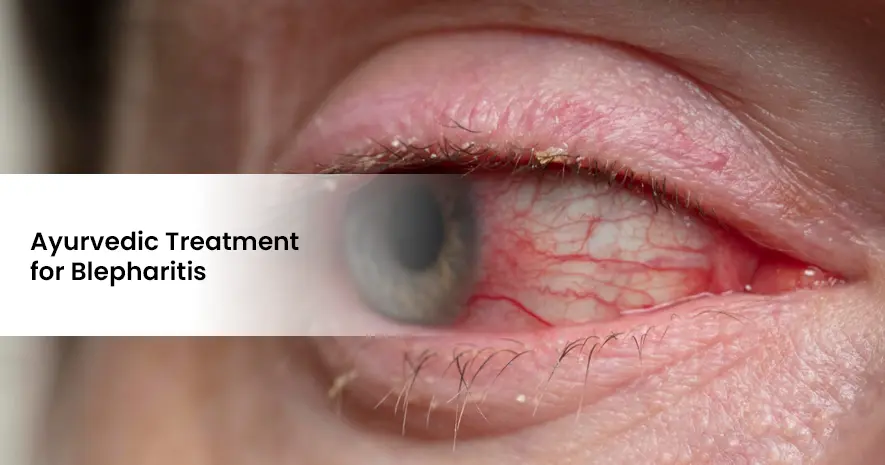
Blepharitis is a chronic inflammation of the eyelids. It often affects both eyes, appearing along the edge of the eyelids where the eyelashes grow. It is commonly characterized by redness, irritation, and the accumulation of whitish, dandruff-like scales among the eyelashes. Blepharitis is typically not contagious and usually does not cause permanent damage to your eyesight. It can sometimes lead to an irritated feeling, similar to having something in your eye, or cause visual disturbances if tears aren't spreading properly across the eye's surface.
Symptoms of Blepharitis
- Redness
- Swelling of the eyelids
- Itchiness
- A gritty or burning sensation in the eyes
- Eyelids that appear greasy or crusty, particularly in the morning.
- Some people notice flaking skin around the eyes
- Eyelashes that fall out or grow in abnormal directions
- Sensitivity to light and blurred vision, which often improves with blinking
These symptoms can sometimes fluctuate, improving and worsening over time.
There are primarily two types of blepharitis
1. Anterior blepharitis affects the outside front of the eyelid where the eyelashes are attached. This type is often caused by bacteria
A.Seborrheic blepharitis
B.Squamous blepharitis
Both seborrheic and squamous presentations are closely related to the general inflammation of the eyelid margin and can be exacerbated by bacterial involvement, such as from staphylococcus bacteria
2. Posterior blepharitis affects the inner edge of the eyelid that touches the eye, specifically the Meibomian glands, which produce oil for tears
Understanding Blepharitis in Ayurveda. In Ayurveda, the clinical presentation of blepharitis is primarily correlated with Vartmagata Rogas (diseases of the eyelids), specifically Krimigranthi (seborrheic or chronic blepharitis) and Klinnavartma or Praklinnavartma (squamous blepharitis)
Treatment in blepharitis:
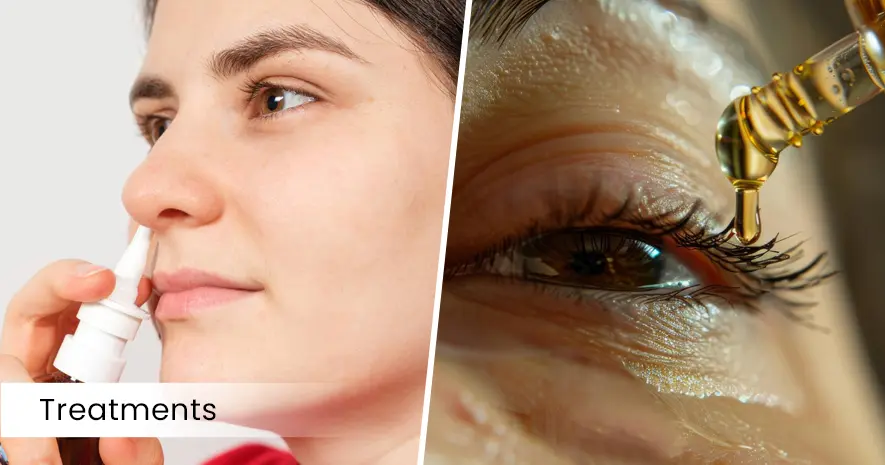
Sreedhareeyam's approach to Managing blepharitis requires a multi-pronged approach combining internal detoxification, targeted local ocular therapies (Kriyakalpa), and supportive systemic care.
Internal Medicine (Shamana): Treatment begins with Deepana-Pachana (enhancing digestion and metabolism) using formulations to eliminate Ama (toxins) that clog the Meibomian glands. Medicine possesses anti-inflammatory and blood-purifying (Raktashodhaka) properties that clear virulence from the site, reducing local inflammatory reactions and to reduce swelling (Shothahara) and act as an antitoxic agent
Internal Detoxification (Shodhana): An internal purification with Virechana, Nasya are very much helpful in systemic clearance of the morbid doshas of the body helping in providing easy healing.
1. Virechana (medicated purgation) is very much essential to normalise the physiological movement of systemic doshas. This internal detoxification aids in reducing systemic inflammation that contributes to eyelid margin swelling and regulates bodily metabolism
2. Nasya (Nasal Medication): Administering medicated drops into the nostrils helps clear the upper pathways of the head and neck. Potent anti-inflammatory properties of medicines helps pacify all three doshas (Tridoshahara), directly benefiting ocular health.
Ocular Therapies (Kriyakalpa) : Local therapies are Ayurvedic eye care, directly attacking the inflammation at the lid margin
1.Netra Parisheka / Seka (Therapeutic Eye Wash): Streaming a lukewarm herbal decoction over the eyes effectively washes away accumulated scales, debris, and microbes. It boasts powerful antimicrobial and anti-inflammatory properties that soothe the ocular surface
2.Avagunthana (Warm Herbal Compress): A warm mild sudation increases blood flow, helps melt solidified Meibomian gland secretions, removes obstructions from micro-channels, and clears the gland orifices
3.Aschothana (Ocular drops):
4.Anjana (Collyrium): Medicines applied directly to the eye and lid margins. These contain penetrating (Sukshma) and scraping (Lekhana) herbs that combat Kapha dosha, acting as strong bacteriostatic, detoxifying.
By integrating personalized internal medicines with soothing external treatments like Avagunthana, Aschothana and Seka etc offers a powerful to managing blepharitis and maintaining long-term ocular health.
May 05, 2026

April 30, 2026

April 22, 2026

April 17, 2026
April 17, 2026
March 30, 2026

March 25, 2026

March 20, 2026

March 17, 2026
March 09, 2026

March 05, 2026
We use cookies that are necessary for the smooth operation of the website, to improve our website and to display advertising relevant to you on social media platforms and partner websites. By clicking "Accept all", you agree to the use of cookies for convenience features and statistics and tracking. You can change these settings again at any time. If you do not agree, we will limit ourselves to technically necessary cookies. For more information, please see our privacy policy .