
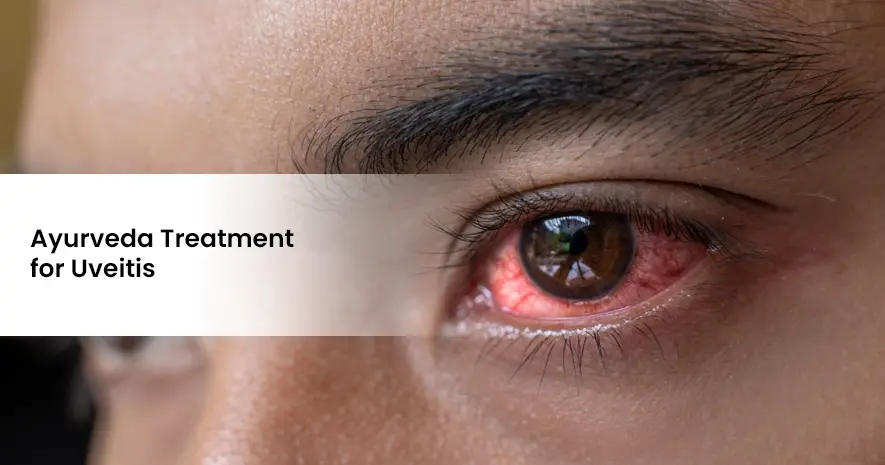
Uveitis is an inflammatory condition affecting the middle layer of eye wall- Uvea, which includes the iris, ciliary body, and choroid. Inflammation in any of these parts can lead to eye pain, redness, and changes in vision. It can develop suddenly or gradually and, if not treated properly, may lead to complications such as cataract, glaucoma, macular edema, or permanent vision loss. It can affect people of all age groups and may occur suddenly or develop gradually over time.
Causes of Uveitis
The exact cause for Uveitis is unknown. But, it usually may arise from several underlying conditions or triggers:
- Autoimmune Disorders: Autoimmune conditions like rheumatoid arthritis, lupus, and ankylosing spondylitis, psoriasis can be a cause for uveitis
- Infections: viral or bacterial infections like Herpes simplex, Herpes zoster or Syphilis, Tuberculosis, and Toxoplasmosis
- Eye Injury or Trauma: a blunt injury or surgery, followed by an infection may lead to Uveitis
- Certain medication allergies or metabolic disorders can also be a reason for uveitis.
Symptoms of Uveitis
Symptom severity and pattern vary with the type and location of inflammation, so any acute change in vision or persistent eye pain warrants prompt ophthalmological evaluation.
- Severe eye redness (often starting near the iris)
- Deep, throbbing eye pain
- Photophobia
- Floaters
- Watering from the eyes
- Headache around the eyes
Types of Uveitis
Uveitis is classified according to the part of the eye affected.
- Anterior Uveitis: Inflammation affects the front portion of the eye, mainly the iris. This is the most common type of uveitis.
- Intermediate Uveitis: Inflammation mainly affects the vitreous and ciliary body. It is commonly seen in younger individuals.
- Posterior Uveitis: Inflammation involves the retina and choroid. This type may seriously affect vision if untreated.
- Panuveitis: Inflammation affects all parts of the uveal tract. Panuveitis is considered the most severe form.
In Ayurveda, almost all ocular disorders are classified under Abhishyanda (inflammatory eye discharge diseases), as an imbalance of the Pitta and Kapha doshas, along with ama (toxins).If left untreated, the inflammation penetrates deeper into the eye, leading to Adhimantha, a condition characterized by intense, throbbing pain.
Sreehareeyam approaches uveitis not just to suppress the symptoms, but to detoxify the body, and restore homeostasis by eliminating the root causes of systemic inflammation through purification, followed by localized soothing care for the eyes. Our treatments with internal medications and external therapies can lead to symptomatic relief—reducing pain, redness, and ocular discomfort. The holistic approach aims to prolong the intervals between recurrent attacks by addressing the systemic root cause.
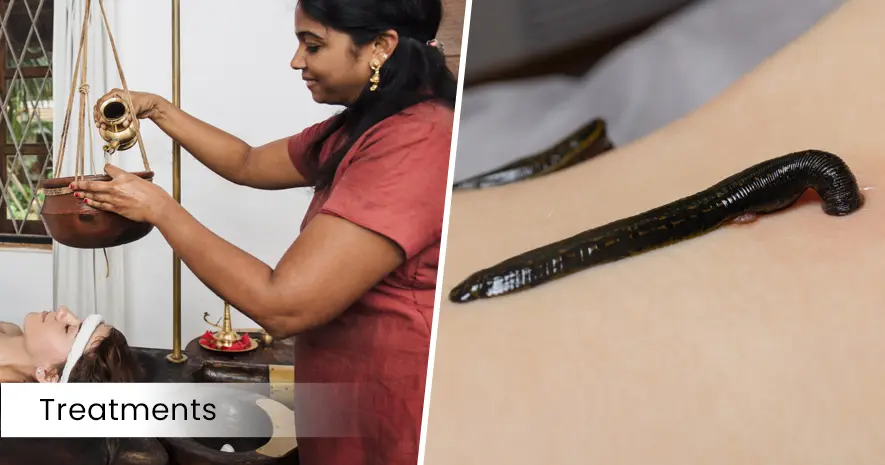
Shamana (pacification therapy):
Internal medications like Kashaya, choorna, tablet based on the patient’s constitution (Prakriti), chronicity and severity of the disease, systemic association. These will help in reducing inflammation, edema balance the immune system, clear out toxins, and reduce systemic inflammation.
Shodhana (Detoxification/ Purificatory Therapies):
- Virechana (Therapeutic Purgation)
- Nasya (Medicated nasal therapy)
- Jalaukavacharana (Bloodletting/Leech Therapy)
- Sirodhara
- Netra Kriyakalpa like Aschyotana, Netradhara, Bidalaka, Kizhiswedam, and Netra Tarpana.
It is very essential that, along with the treatment one should follow proper diet and lifestyle modification to manage the uveitis.
Pathya Ahara (wholesome food)
- Green leafy vegetables
- Intake of ghee moderately
- Vitamin C rich food
- Adequate hydration
Apathya Ahara:
- Avoid Spicy, oily foods
- Fermented items
- Deep fried
- Excessive use of Alcohol
Lifestyle modification:
- Proper sleep
- Stress management
- Limiting screen time
- Protecting eyes from over exposure to dust and direct sunlight
Uveitis should never be ignored because recurrent or severe inflammation can permanently damage vision. Early ophthalmic evaluation, proper investigations, and timely treatment are essential. Regular follow-up with an eye care professional is important to monitor the condition and adjust treatment as needed. However, treatments should be under the supervision of a qualified Ayurvedic physicians for safe and effective care.
June 08, 2026
June 04, 2026
June 04, 2026
May 30, 2026
May 26, 2026
May 18, 2026
May 05, 2026
April 30, 2026

April 22, 2026
April 20, 2026

April 17, 2026
We use cookies that are necessary for the smooth operation of the website, to improve our website and to display advertising relevant to you on social media platforms and partner websites. By clicking "Accept all", you agree to the use of cookies for convenience features and statistics and tracking. You can change these settings again at any time. If you do not agree, we will limit ourselves to technically necessary cookies. For more information, please see our privacy policy .