
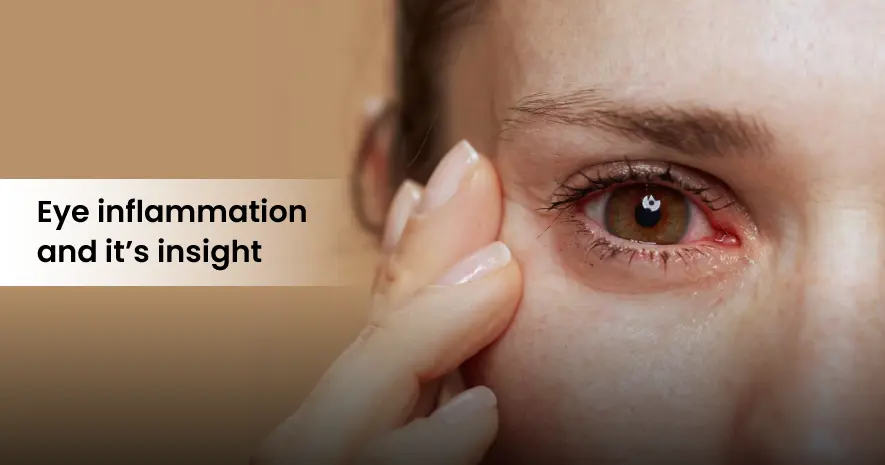
Eye inflammation is when your eye or parts of it become red, swollen, and irritated. It's essentially your body's protective response by the immune system to harmful things, whether they come from inside or outside the body. While this response is meant to protect, the activated immune cells and chemicals involved can sometimes cause damage to the eye tissue, leading to inflammatory eye diseases. The eye is unique because it's considered an "immune-privileged" organ. This means it has a high degree of control over its immune response to keep inflammation to a minimum and protect its delicate structures needed for vision. This protection comes from physical barriers, like the blood-ocular barrier, and special chemical and immunological defenses.
Sources of eye inflammation:
Eye inflammation can arises from different sources:
- Infections: Such as those caused by viruses or bacteria.
- Non-infectious causes: These include allergens, chemical splashes, or foreign objects getting into the eye.
Other factors like your genetics and even the microorganisms living on or in your body (microbiota) can also play a role.
Ayurvedic view of eye inflammation
In Ayurveda, conditions of eye inflammation are broadly correlated with the term ‘Abhishyanda’. The term "Abhishyanda" literally means "profuse discharge," which is noted as a primary characteristic of the condition.
Symptoms of Abhishyanda as per Ayurveda includes:
- Redness and inflammation (Rag and Lohit Netrata)
- Burning sensation (Daha)
- Itching (Sangharsh)
- Excessive discharge (Nistoda)
- Suppuration (Paka)
Classification of Abhishyanda according to Ayurveda
- Vataja Abhishyanda-associated with dry, scratchy, and irritated eyes
- Pittaja Abhishyanda-associated with redness, burning sensation, heat, light sensitivity, yellowish/greenish discharge, pain, mild swelling
- Kaphaja Abhishyanda- associated with heaviness of eye lids, itchy eyes, watering of eyes, Difficulty keeping eyes open, eye swelling
- Raktaja Abhishyanda-associated with intense redness ,burning eyes, Bloodshot Appearance, light sensitivity, swelling.
Complications of Abhishyanda as per Ayurveda :
If Abhishyanda is not properly managed, it can lead to complications such as
- acute pain
Potentially systemic issues like:
- joint disorders
- reproductive issues
- skin lesions
Ayurvedic Management for managing Abhishyanda:
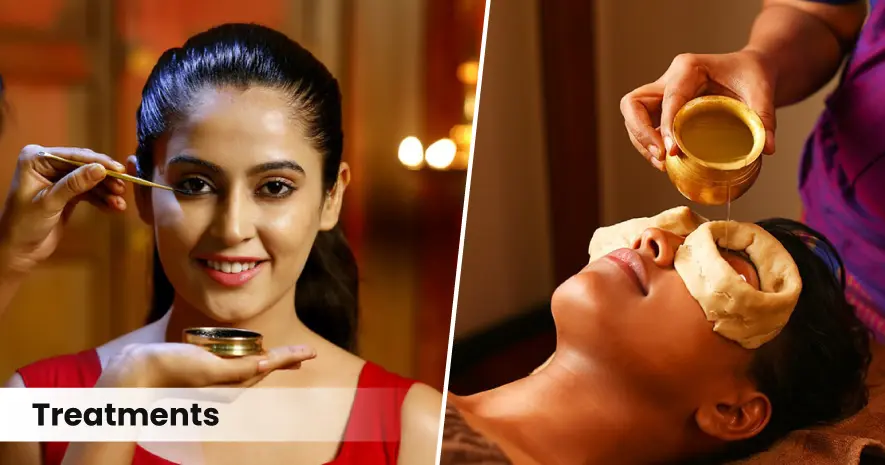
External eye treatments:
1. Ashchyotana (Eye Drops/Instillation): Medicated eye drops are used to cleanse and soothenes the eye inflammation.
e.g.,rose water, eye drops made of mixture of herbs including amalaki,harithaki,vibhithaki
2. Anjana(Collyrium)- herbal paste or collyrium applied to the inner lower eyelid to stimulate secretions and reduce inflammation .
e.g.,Honey. anjanam made of darvi etc.
3. Pariseka (Eye Wash/Irrigation): Pouring medicated liquids or decoctions over the eyes to reduce the burning sensation and swellinf of eyes.
e.g.,Triphala decoction is commonly used
4. Seka: Similar to Pariseka, this involves a continuous stream of medicated liquid over the eyes to relieve inflammation and improve circulation.
5. Pindi (Poultice): Applying warm, moist herbal poultices to the eyes to reduce swelling and inflammation.
e.g., herbs like Neem,triphala,lodhra having cooling properties are used.
6. Bidalaka: Applying herbal pastes to the closed eyelids to soothe irritation and pain, and to improve vision.
e.g., herbs like yastimdhu,turmeric can be used as bidalakam to reduce the inflammation of eyes.
7. Tarpanam :application of warm, medicated ghee or oil over the eyes, creating a well-like structure around them.It is beneficial in conditions to reduce eye inflammation,lubricating eyes,nourishing the optic nerves.
Internal therapies :
Triphala Churna is considered effective against allergic inflammation and burning sensation
Nasya: Medicated oils or powders administered through the nasal passages to cleanse and improve eye health.
Virechana: Therapeutic purgation to eliminate Pitta and cleanse the body e.,g. Tilwak ghruta
Pathya and apathya for abhishyand arogas.
Pathyas
Dietry recommendations:
- Mudga(green gram)
- Jivanti (Leptadenia reticulata)
- Green leafy vegetables like Spinach, kale, and amaranth, rich in antioxidants like lutein and zeaxanthin, essential for reducing oxidative stress in the eyes.
- Ghee (cows ghee)
- Amalaki(Indian gooseberry)
Life style recommendations:
- Eye Hygiene: Regularly wash eyes with clean water (not too hot or cold).
- Eye Protection: Protect eyes from dust, smoke, wind, and excessive sunlight.
- Adequate Sleep: Ensure sufficient restful sleep.
- Eye Exercises: Perform gentle eye exercises like palming, blinking, and rotating the eyes.
- Ayurvedic Eye Treatments: Consider specialized therapies like Netra Tarpana, Anjana, Aschyotana, and Nasya under the guidance of a qualified practitioner.
Apathyas
Dietry recommendations:
- Avoid Excessively Spicy, Salty, and Acidic Foods
- Avoid Oily and Fried Foods
- Avoid Curd and Pickles
- Avoid Strong and Irritating Foods
Life style recommendations:
- Avoid Divaswapna (Day sleep)
- Avoid Exposure to Dust, Smoke, and Harsh Chemicals
- Avoid Veghadharana(Suppressing Natural Urges)
- Avoid Athivyavaya (Excessive Sexual Activity)
Conclusion
Ultimately, the Ayurvedic perspective on Abhishyanda or inflammatory eye disease emphasizes a holistic approach to eye health. Timely management is crucial for managing and preventing inflammatory eye disease.
October 16, 2026
October 09, 2026

September 24, 2026

September 19, 2026

September 18, 2026

September 03, 2026
We use cookies that are necessary for the smooth operation of the website, to improve our website and to display advertising relevant to you on social media platforms and partner websites. By clicking "Accept all", you agree to the use of cookies for convenience features and statistics and tracking. You can change these settings again at any time. If you do not agree, we will limit ourselves to technically necessary cookies. For more information, please see our privacy policy .