
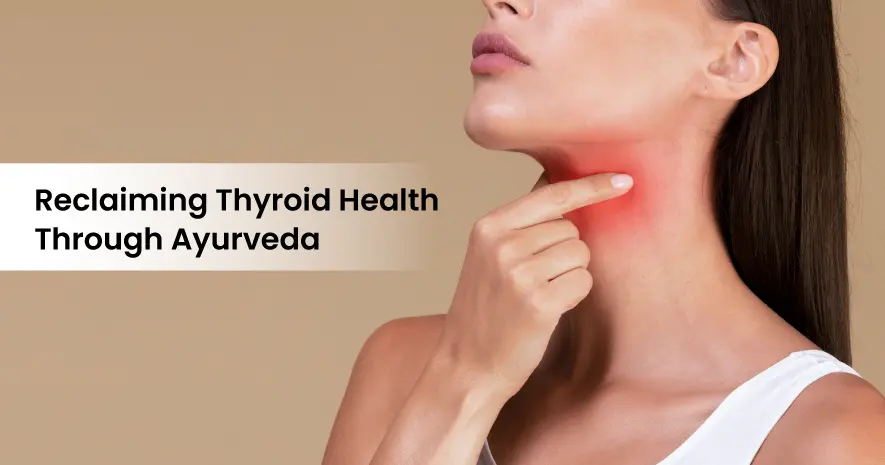
The thyroid gland, though small in size, plays an extraordinarily significant role in regulating metabolism, influencing cellular energy production, thermoregulation, growth, and neurological function. Dysfunctions of this gland, manifesting primarily as hypothyroidism or hyperthyroidism, are becoming increasingly prevalent in modern clinical practice. While conventional medicine addresses these conditions largely through hormone replacement or suppression, Ayurveda—India’s ancient system of medicine—approaches thyroid dysfunction from an integrative lens rooted in Dosha balance, tissue metabolism, and digestive fire (Agni). Though the term "thyroid" does not appear explicitly in classical Ayurvedic texts, such conditions are aptly addressed as Anukta Vyadhi, or disorders not directly mentioned but understood through the disruption of core physiological systems.
The Ayurvedic interpretation of thyroid disorders finds its closest classical correlation in Galaganda, a pathological condition characterized by abnormal swellings in the neck region. The ancient treatises of Charaka and Sushruta describe Galaganda as resulting from the vitiation of Vata, Kapha, or Meda—with each doshic predominance resulting in distinct characteristics of swelling and systemic symptoms. However, beyond structural swellings, Ayurveda provides a more functional and systemic understanding, focusing on the state of Agni (metabolic activity), the integrity of Dhatus (body tissues), and the patency of Srotas (bodily channels).
At the core of thyroid pathology lies a dysfunction of Agni. In the case of hypothyroidism, Ayurveda identifies the condition as a manifestation of Dhatvagnimandya, or sluggish tissue metabolism. This metabolic inefficiency leads to improper assimilation of nutrients and the formation of Ama, or toxic metabolic byproducts, which obstruct the microchannels (Srotorodha), particularly those associated with Rasa (plasma/lymph) and Meda Dhatu (adipose tissue). The resulting clinical presentation includes lethargy, weight gain, cold intolerance, and bradycardia—symptoms indicative of Kapha and Vata aggravation.
In contrast, hyperthyroidism is viewed through the lens of Atyagni, or hypermetabolic states wherein heightened digestive and cellular activity leads to premature consumption of essential nutrients and tissue depletion. This typically involves a dominance of Vata and Pitta Doshas, manifesting as restlessness, tremors, rapid heartbeat, insomnia, heat intolerance, and catabolism. The involvement of Rasa and Meda Dhatus in a state of depletion (Kshaya) further underlines the wasting nature of the disease process.
Ayurvedic management of thyroid disorders is multi-dimensional, addressing the disease not merely at the symptomatic level but correcting its root imbalances through detoxification, metabolic restoration, tissue rejuvenation, and lifestyle realignment. The foundational step in therapy is Nidana Parivarjana, the identification and elimination of causative factors. This includes a sedentary lifestyle, intake of incompatible foods such as deep-fried, sour, processed, and stale items, emotional stress, and poor sleep hygiene—all of which disrupt Agni and promote doshic imbalance.
For individuals with significant doshic accumulation or systemic congestion, Shodhana Chikitsa or purification therapy is advised. In Kapha-predominant hypothyroid conditions, therapeutic purgation (Virechana) is employed to clear obstructed channels and restore Agni. In cases involving excess Kapha in the head and neck region, Vamana or induced emesis can help evacuate phlegmatic accumulation. Basti, or medicated enema therapy, is particularly valuable in modulating the gut-thyroid axis, supporting hormonal regulation through Apana Vata balance. Additionally, Nasya, or nasal administration of medicated oils, can help stimulate hypothalamic-pituitary activity and clear obstructions in the upper respiratory and endocrine regions.
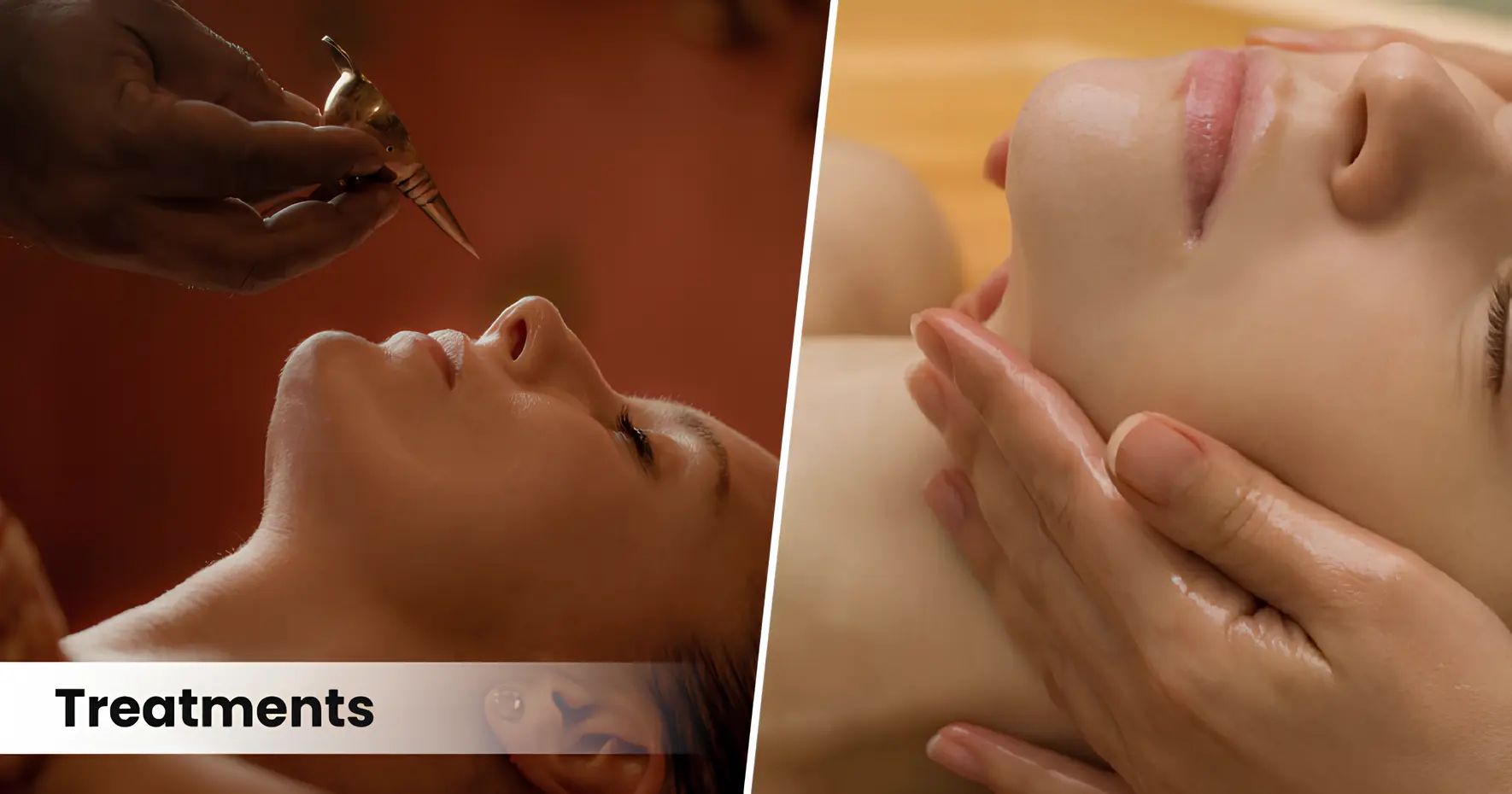
For individuals unable to undergo purification due to age, debility, or mild doshic involvement, Shamana Chikitsa (palliative management) offers a safe and effective alternative. This involves stimulating Agni, digesting Ama, and pacifying the dominant doshas through herbal formulations and supportive therapies. Herbs such as Kanchanara (Bauhinia variegata) are central in reducing glandular swellings and regulating Meda metabolism. Ashwagandha (Withania somnifera), a well-documented adaptogen, helps modulate cortisol levels, support thyroid hormone balance, and stabilize the immune response, especially in autoimmune thyroiditis. Shigru (Moringa oleifera) supports metabolic regulation, while Trikatu (a blend of ginger, black pepper, and long pepper) rekindles digestive fire and helps clear Kapha. Triphala enhances digestive health and supports detoxification across systems.
Following initial purification or stabilization, Rasayana Chikitsa—rejuvenative therapy—strengthens tissue metabolism at the cellular level (Dhatwagni), prevents disease recurrence, and improves vitality. Shilajatu is among the most potent Rasayanas for hypothyroidism, known for its mineral-rich composition and capacity to rejuvenate endocrine function.
Diet and lifestyle hold critical importance in both the onset and resolution of thyroid disorders. In hypothyroidism, a Kapha-Vata pacifying diet is recommended, emphasizing easily digestible grains like aged rice, barley, and oats, along with warming spices and vegetables like drumsticks. Goitrogenic foods such as cruciferous vegetables (broccoli, cabbage), soy, and pearl millet are traditionally avoided due to their thyroid-inhibiting effects. In hyperthyroidism, a Pitta-Vata balancing diet rich in cooling, nourishing foods like ghee, milk, and fresh fruits is preferred, while stimulants and iodine-excessive items are discouraged.
Daily routines are adjusted to reinforce doshic equilibrium. Early rising, regular meals, moderate exercise, and exposure to natural sunlight are advised. Yogic practices, especially Sarvangasana, Matsyasana, and Halasana, directly stimulate the thyroid gland by enhancing blood flow to the cervical region. Pranayama techniques like Ujjayi and Anulom Vilom support autonomic regulation, while Bhastrika and Kapalabhati help detoxify the subtle channels and invigorate endocrine function.
In essence, Ayurveda does not treat the thyroid gland in isolation but restores systemic balance by harmonizing the body’s bioenergies, digestive capacity, and tissue integrity. By integrating detoxification, palliative and rejuvenative therapies, herbal pharmacology, dietary discipline, and mind-body practices, Ayurvedic management of thyroid dysfunction becomes a comprehensive endeavor. While the results may require sustained commitment, the long-term benefits often surpass symptomatic relief, contributing to improved vitality, immunity, and quality of life.
October 16, 2026

October 09, 2026

September 24, 2026

September 19, 2026

September 18, 2026

September 03, 2026
We use cookies that are necessary for the smooth operation of the website, to improve our website and to display advertising relevant to you on social media platforms and partner websites. By clicking "Accept all", you agree to the use of cookies for convenience features and statistics and tracking. You can change these settings again at any time. If you do not agree, we will limit ourselves to technically necessary cookies. For more information, please see our privacy policy .