
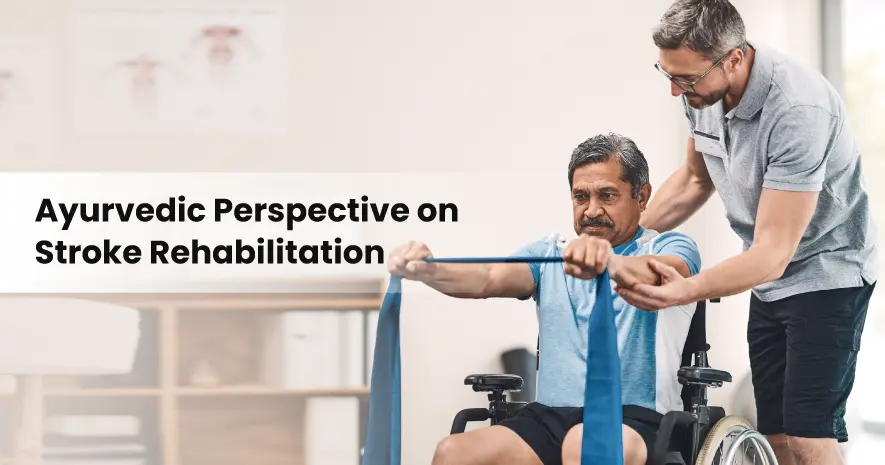
Stroke, a neurological emergency that leads to partial or complete loss of motor and sensory function, occurs when blood flow to a part of the brain is interrupted—either due to obstruction (ischemic stroke) or rupture (hemorrhagic stroke) of cerebral blood vessels. This sudden deprivation of oxygen and nutrients causes brain cell death and leaves the individual with varied degrees of physical, sensory, and cognitive impairment. In conventional medicine, management focuses on acute stabilization and rehabilitation through physical therapy and medications. However, Ayurveda, the ancient Indian system of holistic healing, offers a unique integrative approach, particularly in the rehabilitative phase, which focuses on systemic restoration, doshic balance, neuroregeneration, and functional recovery.
In Ayurvedic parlance, this condition is most closely correlated with Pakshaghata, a subtype of Vata Vyadhi, which reflects paralysis affecting one half of the body. The term Paksha refers to a side or half, and Ghata implies impairment or damage. Classical Ayurvedic texts such as Charaka Samhita, Sushruta Samhita, and Ashtanga Hridaya offer extensive references to the pathogenesis, symptomatology, and therapeutic strategies of Pakshaghata.
Understanding the Ayurvedic Pathophysiology of Stroke
In Ayurveda, Vata is the dosha responsible for all forms of movement, including nervous conduction, muscle coordination, and circulation. When Vata becomes deranged—due to factors such as stress, improper diet, trauma, chronic illnesses, or aging—it may localize in Majja Dhatu (nervous tissue) and Snayu (ligaments), thereby obstructing normal neurological function. This culminates in Margavarana (channel obstruction), Dhatukshaya (tissue depletion), and loss of Indriya Karma (sensory and motor faculties). In cases where Pitta or Kapha are also involved, there may be added features such as inflammation, heaviness, rigidity, or dullness.
Ischemic strokes can be conceptualized as a condition of Avarana (occlusion) and Rakta Srotodushti (disturbance in blood channels), while hemorrhagic strokes may correspond with Raktapitta or Raktaksaya. Regardless of the exact nidana (cause), the resultant clinical picture is a Vata-dominant neurological derangement, requiring both elimination of accumulated doshas and restoration of the deranged functions.
Clinical Features and Ayurvedic Symptomatology
Patients affected by stroke commonly present with hemiplegia (loss of movement on one side), numbness, slurred speech, dizziness, facial drooping, altered coordination, and disorientation. These features parallel classical descriptions of Vak Stambha (speech arrest), Cheshtanasha (loss of motor control), Anga Shaithilya (muscle flaccidity), Vedana (pain), Buddhi Vibhrama (cognitive disturbances), and Sannipata Lakshanas (mixed doshic manifestations).
Ayurvedic Rehabilitation: Principles and Multi-modal Interventions
The goal of Ayurvedic rehabilitation is not limited to symptomatic relief. Instead, it encompasses restoration of Agni (digestive/metabolic fire), removal of Ama (toxins), strengthening of Dhatus (tissues), re-establishment of Srotas (body channels), enhancement of Ojas (vital essence), and pacification of Vata.
The therapeutic protocol is individualized, considering Prakriti (constitution), Vikriti (pathological state), Saamanya Lakshanas (general symptoms), and Upadrava (complications). Core elements of this approach include:
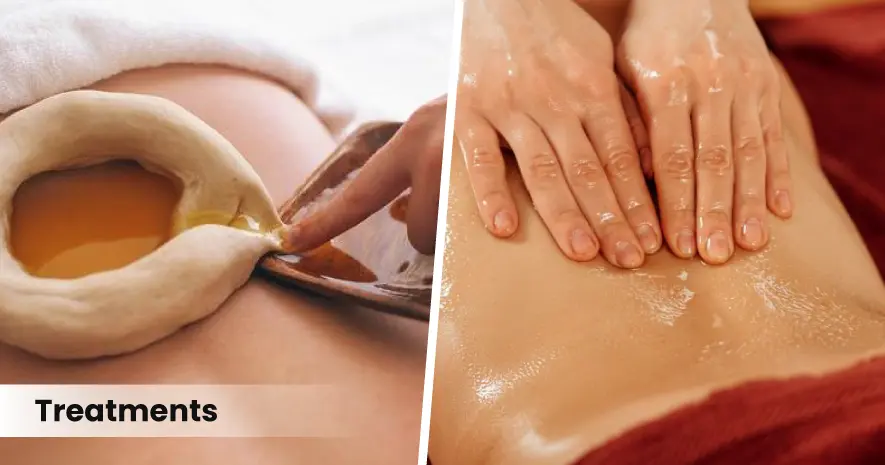
Panchakarma and External Therapies
The mainstay of Ayurvedic stroke management includes Panchakarma procedures tailored for Vata vitiation. Abhyanga or therapeutic oil massage using warm, nourishing oils like Ksheerabala, Mahanarayan, or Dhanvantaram Taila enhances blood flow, relieves muscular stiffness, and promotes synaptic reactivation. This is often followed by Swedana (fomentation) through methods like Patrapinda Sweda (herbal poultice) or Pizhichil (oil bath), which further reduce Gourava (heaviness), Stambha (stiffness), and Ruja (pain).
Among all Panchakarma modalities, Basti Chikitsa (therapeutic enema) is considered most effective in managing Vata Vyadhi. Administration of Anuvasana Basti (oil enema) nourishes the nervous system, while Niruha Basti (decoction enema) eliminates morbid Vata and facilitates tissue regeneration.
Nasya (nasal administration of medicated oils) offers direct access to the Shira (cranial vault), stimulating higher neurological centers. It is particularly beneficial in managing Ardita (facial paralysis), Vak Stambha, and sensory impairment. Similarly, Mridu Virechana (mild purgation) cleanses the Pitta and Ama, thereby optimizing Medha (cognition) and Buddhi (intellect).
Rasayana Chikitsa and Internal Medications
Internal administration of Ayurvedic formulations aims at nerve regeneration, enhancement of synaptic plasticity, anti-inflammatory action, and cognitive restoration. Key neuro-restorative herbs and their classical formulations include:
Ashwagandha (Withania somnifera): Strengthens neuromuscular coordination, supports axonal repair, and improves stress resilience.
Brahmi (Bacopa monnieri) and Shankhapushpi (Convolvulus pluricaulis): Promote higher cerebral functions, memory consolidation, and neuroprotection.
Bala (Sida cordifolia) and Dashamoola: Tonify muscles and reduce spasticity, facilitating movement recovery.
Guduchi (Tinospora cordifolia) and Punarnava (Boerhavia diffusa): Detoxify the blood, reduce inflammation, and support systemic rejuvenation.
Vacha (Acorus calamus) and Jatamansi (Nardostachys jatamansi): Stimulate speech recovery, calm the mind, and balance Vata.
Popular formulations include Dhanwantharam Kashayam, Ashwagandharishta, Brahmi Ghrita, Saraswatarishta, and Ashtavarga Kashayam, each targeting specific deficits in motor, sensory, or cognitive domains.
Functional Restoration Through External Applications
In addition to internal medications, therapies like Pichu (oil-soaked cotton application), Kavala (gargling with medicated oils), Shirodhara (streaming of medicated oils over the forehead), and Njavarakizhi (medicated rice bolus massage) are employed to restore nerve impulse transmission, relieve anxiety, and promote cellular healing. For joint stiffness and poor coordination, therapies like Ela Kizhi (leaf bolus massage) effectively reduce inflammation and increase local circulation.
Nutrition and Dietary Discipline
Recovery is only possible with support from appropriate Ahara (diet). Warm, nourishing, and easily digestible food prepared with digestive spices is recommended. Manda (thin rice gruel), Yusha (lentil soups), Ghee, Milk, and vegetable broths help restore Agni and nourish Majja and Ojas. Overconsumption of dry, cold, fermented, or heavy-to-digest foods can aggravate Vata and impede recovery. Avoidance of incompatible food combinations (Viruddha Ahara), excessive salt, and deep-fried items is crucial.
Integration with Yoga and Physiotherapy
Ayurveda acknowledges the synergy between physical therapy and yogic disciplines. Asanas such as Bhujangasana, Trikonasana, and Pawanmuktasana, practiced under expert guidance, enhance muscle strength, flexibility, and proprioception. Pranayama techniques such as Anuloma Viloma and Bhramari regulate autonomic balance, enhance cerebral perfusion, and reduce anxiety, which is common post-stroke. Physiotherapy complements Ayurvedic therapy by aiding the retraining of motor pathways, improving reflexes, and restoring postural control.
Lifestyle Recalibration
The preventive aspect of stroke rehabilitation in Ayurveda is deeply embedded in adopting a Sattvic lifestyle. Regularity in sleep-wake cycles, stress management through meditation, reduction in sensory overload, and cultivating a calm, positive mental environment are emphasized. Abstinence from smoking, alcohol, excessive screen time, and erratic eating patterns prevents recurrence.
Stroke, though a sudden and often debilitating event, need not signify the end of functional independence. Ayurveda offers a deeply integrative and patient-centric approach to stroke rehabilitation. By addressing not just the physical symptoms but the root causes of Vata vitiation, tissue degeneration, and systemic imbalance, Ayurvedic protocols enable gradual but sustainable restoration of health. When implemented alongside conventional care, yoga, and physiotherapy, these time-honored interventions can significantly improve the quality of life, helping the patient regain not just movement—but also dignity, confidence, and vitality.
October 16, 2026
October 09, 2026

September 24, 2026
September 19, 2026

September 18, 2026
September 03, 2026
We use cookies that are necessary for the smooth operation of the website, to improve our website and to display advertising relevant to you on social media platforms and partner websites. By clicking "Accept all", you agree to the use of cookies for convenience features and statistics and tracking. You can change these settings again at any time. If you do not agree, we will limit ourselves to technically necessary cookies. For more information, please see our privacy policy .