

Vomiting, known as Chardi in Ayurveda, is a common and often significant clinical issue across all age groups, particularly in children and infants (Kshirap Awastha). While modern medicine views it as a complex reflex controlled by the medullary vomiting center, Ayurveda offers a profound, holistic approach rooted in the balance of the body's fundamental energies, or doshas.
Nausea, or the subjective feeling of a need to vomit , is correlated with Utklesha or Hrillasa in Ayurveda. Hrillasa is mentioned as a prodromal symptom of Chardi. According to Ayurvedic texts, Chardi primarily results from the vitiation of the Vata dosha along with Pitta and Kapha.
Key Etiological Factors (Causes): The imbalance of doshas is triggered by various factors:
- Improper Diet:
Over eating (Atimatra Ashana),
Excessive intake of liquids (Ati Drava Sevana)
Oily food (Ati Snigdha Ahara),
Unpleasant (Ahridya),
Salty
Untimely meals,
Excessive quantity of food intake (Ati matra)
Consuming stale or incompatible foods (Viruddha Ahara).
Indigestion (Ajirna)
Consuming food very fast
- Psychological Factors:
Emotional stress or fear, known as Manasika Karana (such as Chinta or Bhaya).
- Specific Conditions:
Vitiated breast milk (Stanya Dushti) in infants
Worm infestations (Krimi Roga)
The underlying pathogenesis involves the pratiloma gati (reverse movement) of Vyana and Udana Vayu, which triggers the upward expulsion of contents.
Classification of Chardi:
Chardi is classified based on the predominant vitiated dosha, which informs the treatment approach:
Vataja Chardi: Characterized by dryness of mouth, chest pain, headache, cough, hoarseness of voice, pricking pain andvomits with great sound of eructations with astringent taste.
Pittaja Chardi: Features include a burning sensation, sour or bitter vomitus, fever, giddiness, vomit yellow colour, fever and thirst.
Kaphaja Chardi: Symptoms include lethargy, heaviness, a sweet taste in the mouth, and thick white vomitus.
Sannipataja Chardi: A severe type with mixed features of all three doshas. Patients may have colic pain, indigestion, anorexia, burning sensation, thrist , dyspnoea.
Agantuja Chardi: Vomiting caused by external factors such as disgust (Bhibatsaja), pregnancy (Douhrdaja), or parasites (Krimija).
Ayurvedic Management (Chikitsa)
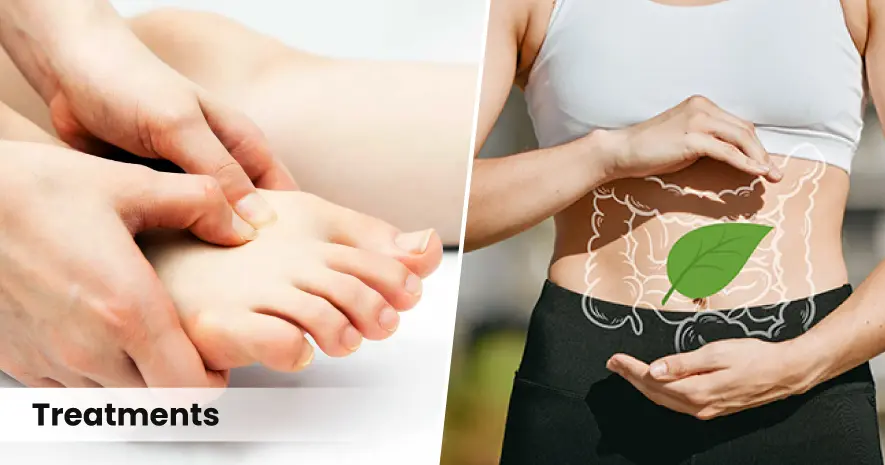
Ayurveda emphasizes balancing the doshas and promoting holistic wellness, preferring gentle, palliative therapies. Langhana (Fasting)
Therapeutic Approaches:
Langhana (Fasting): Recommended in mild or initial cases.
Shamana (Palliative Therapy): The preferred approach for children, focusing on symptom relief and balancing doshas.
Shodhana (Purification): Therapies like Vamana (induced vomiting for Kapha) and Virechana (purgation for Pitta) are generally not suitable for infants.
Key Herbal Formulations: Ayurvedic texts mention specific herbo-mineral formulations, often taken with adjuvants (Anupana) like honey to enhance absorption and effectiveness:
Haritaki Churnam: It is effective in treating all types of Chardi when taken with honey.
Duralabha Churnam (Dhamasa powder): Known for its Pittahara and Vatahara properties, it is taken with honey and used for conditions including Chardi.
Guduchi Khwath: It is effective in treating all three dosha-based Chardi types, especially that caused by Amlapitta (acid reflux).
Vidangadi Churnam: An anthelmintic and carminative herb used to treat vomiting, abdominal discomfort, and flatulence, taken with honey in cases of Kaphaja Chardi.
Drakshadi Kashayam: A decoction noted for its antioxidant and Pitta-balancing properties, used for Chardi, fever (Jwara), and dizziness (Bhrama).
Dietary Management (Pathya-Apathya): Regulating diet (Samsarjana Krama) is crucial.
Recommended: Pomegranate, lemon, jaggery, coconut, parched rice (Laja), and green gram (Mudga).
Avoid: Oily or spicy food, sensory stimulation, Nasya (nasal administration), and Bastis (enemas).

October 16, 2026

October 09, 2026

September 24, 2026

September 19, 2026

September 18, 2026

September 03, 2026
We use cookies that are necessary for the smooth operation of the website, to improve our website and to display advertising relevant to you on social media platforms and partner websites. By clicking "Accept all", you agree to the use of cookies for convenience features and statistics and tracking. You can change these settings again at any time. If you do not agree, we will limit ourselves to technically necessary cookies. For more information, please see our privacy policy .