
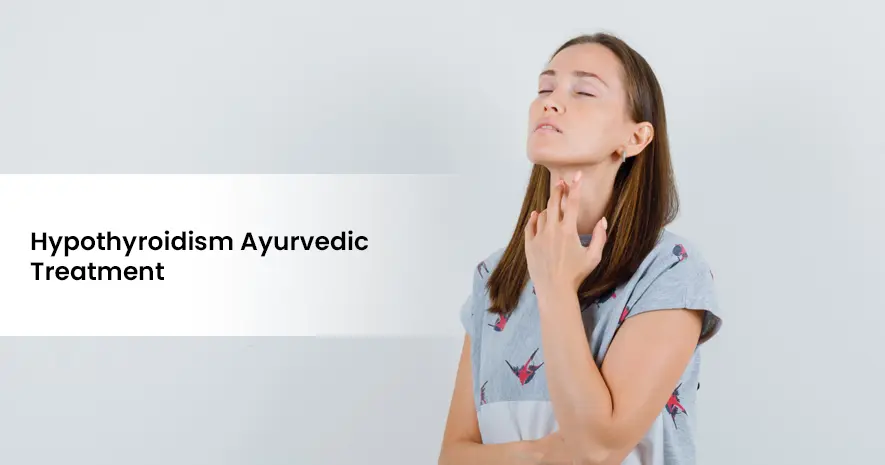
Hypothyroidism is a condition where the thyroid gland insufficiently make thyroid hormones, the hormones which are essential for regulating the body's metabolism. When hormone levels are low, bodily functions slows down and leads to many symptoms.
Types and Causes of hypothyroidism
- Primary Hypothyroidism
A. Hashimoto's disease which is an autoimmune condition where the body’s own immune system mistakenly attacks and damages the thyroid gland to produce hormones.
B. Congenital hypothyroidism is when a baby is born with a missing or underdeveloped thyroid gland, or a defect in hormone production.
- Secondary hypothyroidism : which is rarer type, occurs when the pituitary gland produce not enough thyroid-stimulating hormone (TSH), which is required for the thyroid gland to produce hormones
- Tertiary hypothyroidism: is rarer and occurs when the hypothalamus, fails to produce enough hormones which stimulates the pituitary gland to produce TSH.
Symptoms of Hypothyroidism
- Fatigue
- Increased sensitivity to cold
- Constipation
- Dry skin
- Weight gain
- Puffy face
- Hoarseness of voice
- Muscle weakness
Some people may also show high cholesterol levels, muscle aches, tenderness and stiffness, pain, stiffness or swelling in their joints, heavier or irregular menstrual periods, thinning hair, a slowed heart rate, depression, and impaired memory
Ayurveda views the disease through the lens of digestion and tissue metabolism. In Ayurveda, hypothyroidism is not viewed as a standalone disease of the thyroid gland, but rather as a systemic imbalance of Agni (metabolic fire) and Kapha. It is often categorized as a state of Dhatvagni Mandya, where the cellular metabolism is too "slow" to process nutrients and energy. When this "fire" dims, the body enters a state of stagnation:
- Kapha Accumulation: Leads to weight gain, swelling (edema), and lethargy.
- Vata Imbalance: Causes dry skin, constipation, and mental "fog" or anxiety.
- Srotas Blockage: The channels of the body become "clogged" with Ama (toxins), preventing hormones from reaching their destination.
At Sreedhareeyam, we believe in treating hypothyroidism holistically.
 - Purificatory and Detoxification Therapies (Panchakarma): Srotoshodhana (cleansing the channels). Bio-cleansing therapies are highly recommended because they help balance the doshas
A. Virechana Karma (Therapeutic Purgation): It helps by administering medicines to induce controlled purgation and flush toxins from the body.
B. Vamana Karma (Medicated emisis): Often the preferred treatment for eliminating excess Kapha dosha from the body
C. Deepana and Pachana (Digestive stimulants and detoxifiers): Medication are given to enhance digestion and prepare (Ama) toxins for elimination. It also help to maintain a strong digestive fire (Agni) and prevent future toxin accumulation.
- Palliative treatment (Shamana Chikitsa):
A. Oral medications: Long-term oral medications are prescribed for metabolic balance also to clear blocked channels, ignite the digestive fire, and stimulate thyroid function.
B. Shirodhara: The continuous pouring of medicated oil/ buttermilk on the forehead stimulates the neuro-endocrine system and the hypothalamo-pituitary axis, helping to regulate hormone secretion.
- Dietary Guidelines (Pathya and Apathya) A patient's diet must be carefully managed to support metabolic recovery:
A. Wholesome Foods (Pathya): Incorporate light, easy-to-digest foods such as barley, old rice, green gram (moong dal), drumsticks and iodine-rich foods. Use digestive spices like ginger, cumin, black pepper, and rock salt.
B. Foods to Avoid (Apathya): Strictly avoid heavy, fried, and fast foods. Limit vegetables that can suppress thyroid function, including cabbage, cauliflower, broccoli, soybeans, and sweet potatoes. Foods with refined white flour, and excessive sugar, processed foods and bakery are also be avoided.
- Yoga and Paranayama:
Physical and mental activity are vital to reversing the sluggishness of hypothyroidism. Certain Yogasanas are highly recommended to stimulate blood flow to the thyroid gland. Pranayama breathing technique is uniquely beneficial because it directly stimulates and warms the throat area.
- Mental health is a key factor while treating Hypothyroidism. Control the stress by avoiding worry, excessive thinking, anger, and grief, as psychological stress directly burns the body's immunity (Ojas) and worsens the autoimmune thyroid dysfunctions.
Ayurveda does not view hypothyroidism merely as a localized hormonal deficiency, but as a systemic metabolic imbalance, oral medications, Panchakarma detoxification, and mindful lifestyle shifts, individuals can successfully manage their symptoms and achieve a renewed state of holistic health.
October 16, 2026
October 09, 2026
September 24, 2026

September 19, 2026

September 18, 2026
September 03, 2026
We use cookies that are necessary for the smooth operation of the website, to improve our website and to display advertising relevant to you on social media platforms and partner websites. By clicking "Accept all", you agree to the use of cookies for convenience features and statistics and tracking. You can change these settings again at any time. If you do not agree, we will limit ourselves to technically necessary cookies. For more information, please see our privacy policy .