
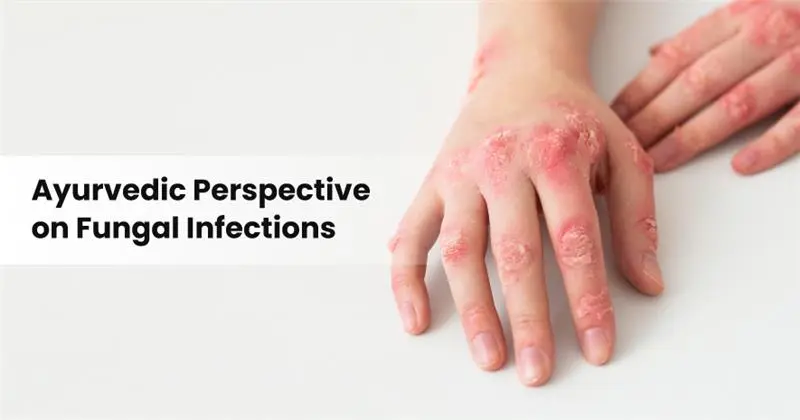
Fungal infections, or mycoses, are among the most pervasive yet often overlooked health concerns globally. These conditions range in severity from superficial, non-threatening skin infections to life-threatening systemic mycoses, particularly in immunocompromised individuals. Ayurveda offers a profound and integrated framework to understand these disorders, providing therapeutic protocols that emphasise both systemic cleansing and local management while simultaneously strengthening host immunity and tissue resilience.
In contemporary biomedical science, fungal infections are caused by opportunistic fungi that invade the body’s tissues, particularly under conditions of immunosuppression, injury, excessive antibiotic use, or persistent moisture. Fungi are ubiquitous in nature, inhabiting the skin, environment, and even internal mucosal surfaces. Normally, commensal flora and immune surveillance prevent their proliferation. However, under conducive circumstances—such as warm, humid climates or metabolic dysregulation—fungi can become pathogenic.
Ayurveda interprets these infections through the concept of Krimi Roga and Dushta Twak Vikara—diseases arising due to deranged tissue integrity, weak Agni (digestive and metabolic fire), and accumulation of Ama (toxic metabolic residues). It is predominantly a Kapha-Vata disorder, although Pitta may also be involved in cases where there is inflammation, erythema, and burning.
Superficial infections like ringworm, candidiasis, and athlete’s foot are understood in Ayurveda as a result of Sthanik Dhatugata Dushti (localized tissue derangement), while systemic fungal invasions such as mucormycosis can be likened to Agantuja Krimi with involvement of deeper tissues like Rakta (blood), Mamsa (muscle), and Majja (marrow and nervous tissue).
Etiopathogenesis: Triggers and Risk Factors
In both Ayurveda and modern medicine, several internal and external causative factors predispose individuals to fungal infections. Prolonged exposure to moisture, tight synthetic clothing, excessive sweating, and poor hygiene disrupt the Twak Agni (skin metabolism), creating an environment conducive to fungal overgrowth. Similarly, Dourbalya (weakened immunity), seen in conditions such as Prameha (diabetes mellitus), Pandu (anemia), and Ajirna (malabsorption), reduces the body’s capacity to neutralize pathogens.
Chronic use of antibiotics and corticosteroids—while therapeutically potent—eliminates protective microbial flora and suppresses the immune response, allowing fungi such as Candida albicans and Aspergillus to flourish. Surgical wounds, burns, and injuries provide direct portals for fungal invasion into deeper tissues, especially in vulnerable hosts.
A more aggressive and often fatal form of fungal infection, mucormycosis, frequently arises in individuals with uncontrolled diabetes, immunosuppressive therapy, or post-COVID recovery, particularly those exposed to prolonged oxygen therapy or ventilator use. When this infection invades the orbit (ocular mucormycosis), symptoms like proptosis (eye bulging), vision loss, and black eschar formation around the nose or eyes are commonly observed, demanding immediate intervention.
Clinical Presentation: Recognizing the Symptoms
Fungal infections manifest in varied forms, depending on their site and depth of tissue invasion. Cutaneous involvement generally presents with itching, scaling, burning, redness, and the formation of ring-like patches. Oral or genital candidiasis leads to white, curd-like plaques, soreness, and discharge. Onychomycosis, or fungal nail infection, results in thickened, discolored, and brittle nails.
Systemic infections, such as pulmonary or rhinocerebral mucormycosis, produce more severe features—facial pain, nasal congestion, hemifacial swelling, eye pain, blurring of vision, and necrotic lesions. In Ayurvedic terminology, these presentations are suggestive of Vidaha, Kandu, Toda, Shotha, and Daha, reflective of combined Pitta-Kapha aggravation and Srotorodha (channel obstruction).
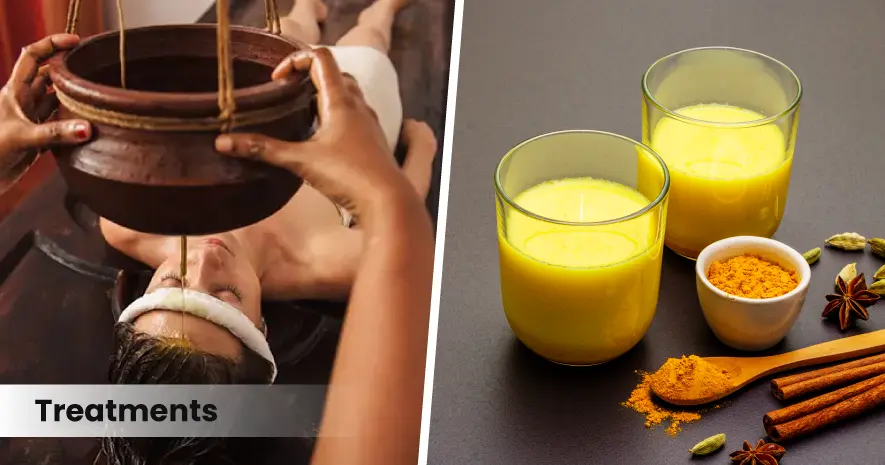
The Ayurvedic management of fungal infections is based on the principles of Samprapti Vighatana—disrupting the pathogenesis—through detoxification (Shodhana), palliation (Shamana), external cleansing, and immune restoration.
Topical therapies such as Kashaya Dhara (decoction pouring) using Aragwadhadi Kashaya, Triphala Kashaya, or Nimba (neem) infusions play a vital role in reducing local fungal colonization, itchiness, and inflammation. These herbs possess natural antifungal, antibacterial, and anti-inflammatory properties validated by modern pharmacology.
Internally, formulations like Punarnavadi Kashaya, Guluchyadi Kashaya, Krimigna Vati, Jeevanthi Churna, and Ashwagandha Churna are prescribed to enhance tissue metabolism, eliminate toxins, and strengthen host defenses. These medicines are rich in bioactive compounds with immunomodulatory, antifungal, and adaptogenic actions.
Ocular involvement in fungal infections such as mucormycosis necessitates urgent integrative care. Ayurvedic adjuvants like Sunetra eye drops and Eye Plus preparations help in reducing ocular inflammation and promoting tissue healing when used under supervision. Anu Taila, a medicated nasal oil, aids in clearing sinuses and preventing pathogen ingress into deeper structures such as the brain or orbit.
In severe or systemic fungal infections, particularly mucormycosis, concurrent use of intravenous antifungals like amphotericin B remains essential. Surgery may be necessary to remove necrotic tissue, especially in orbital or craniofacial involvement. Ayurvedic interventions are ideally utilized in pre- and post-recovery phases to accelerate convalescence and prevent recurrence.
Diet, Lifestyle, and Prevention
Swasthasya Rakshanam (preservation of health) is a cornerstone of Ayurvedic philosophy. Maintaining a clean, dry, and well-ventilated skin surface is vital. Bathing with decoctions of Triphala, Neem, or Khadira can reduce the fungal load and prevent infections in humid climates.
Wearing cotton or breathable natural fabrics, avoiding occlusive footwear in damp environments, and refraining from sharing personal hygiene items such as towels or nail clippers are important behavioral modifications.
Dietary guidance involves minimizing Kapha- and Ama-promoting foods—such as fermented, oily, dairy-heavy, and sugary items—while emphasizing Tikta (bitter), Kashaya (astringent), and Laghu (light) foods. Herbs like turmeric, garlic, and neem incorporated in daily meals act as natural antimicrobials.
Diabetic individuals and those undergoing immunosuppressive therapy must maintain optimal glycemic control and personal hygiene. In Ayurveda, Rasayana (rejuvenative therapy) protocols including Guduchi Rasayana and Chyavanprasha are advised to enhance Ojas and systemic resilience.
When to Seek Medical Attention
Most superficial fungal infections can be managed with topical and systemic Ayurveda interventions. However, persistent or worsening infections, especially those involving the eye, sinuses, lungs, or manifesting with systemic symptoms such as fever and fatigue, demand urgent medical attention. Mucormycosis, in particular, is a medical emergency and delay in treatment can prove fatal.
Fungal infections, though often underestimated, can evolve from mild discomfort to critical illness depending on host factors and pathogen virulence. Ayurveda, with its emphasis on doshic balance, tissue integrity, and immune modulation, offers an effective framework for both treatment and prevention.

October 16, 2026
October 09, 2026

September 24, 2026

September 19, 2026

September 18, 2026

September 03, 2026
We use cookies that are necessary for the smooth operation of the website, to improve our website and to display advertising relevant to you on social media platforms and partner websites. By clicking "Accept all", you agree to the use of cookies for convenience features and statistics and tracking. You can change these settings again at any time. If you do not agree, we will limit ourselves to technically necessary cookies. For more information, please see our privacy policy .