
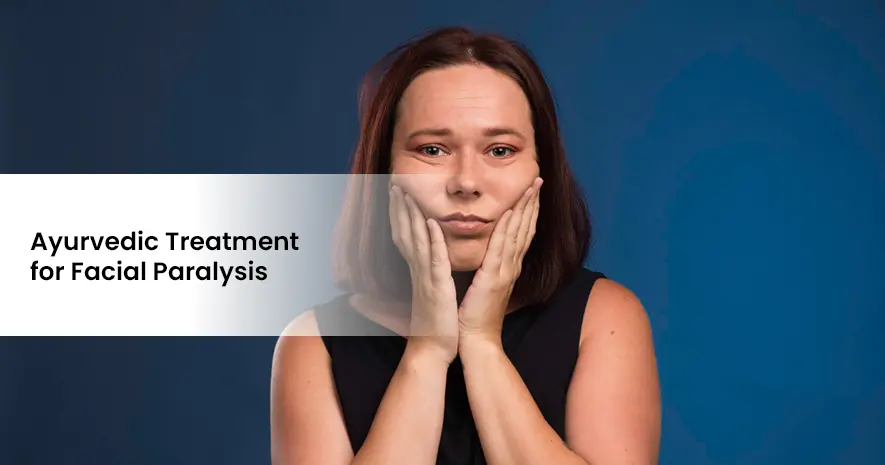
Facial Paralysis is characterized by the sudden temporary weakness or complete paralysis of the muscles on one side of the face.
The cause of facial paralysis is often idiopathic. It can be associated with inflammation of the facial nerve or triggered by viral infections like the herpes simplex virus. In some cases, facial paralysis can be a symptom of more serious conditions like a stroke or tumours that press on the facial nerve. Other potential causes include head trauma, ear infections, or congenital conditions present from birth.
Symptoms
The symptoms of Bell's palsy can range from
- Mild weakness to complete paralysis on one side of the face,
- Affecting the ability to smile,
- Difficulty in knitting the brows,
- Difficulty in raising an eyebrow.
- Changes in taste
- Increased sensitivity to sound
- Altered tear and saliva production
- Pain behind the ear or around the jaw
- Difficulty closing the eye.
- Slurred speech
- Difficulty chewing
- Difficulty blowing air into cheeks or whistling.
- Numbness or pain
In Ayurvedic texts, Facial palsy is correlated with a condition known as Ardita. It occurs when the Vata dosha is imbalanced and localizes in the upper part of the body, particularly the head and face.
Causes of Facial Palsy:
- Continuous exposure to cold.
- Carrying a heavy load on the head or physical strain
- Improper sleeping patterns
- Staying awake late at night
- Stress
Ayurveda approaches for Facial Palsy are comprehensive and holistical. It focuses on pacifying the aggravated Vata dosha, improving local blood circulation, providing nourishment to the facial nerves, and preventing muscle wasting. The treatment plan generally involves classical Panchakarma (detoxification and restorative) therapies and Shamana (oral) medications.
In Sreedhareeyam, we follow the Samana and Shodhana line of management, focusing on pacifying Vata and nourishing the nerves and muscles of the face.
1. Mukhabhyanga (Facial Massage) Gentle therapeutic massage on the face using warm, Vata-pacifying oils
2. Nadi Sweda (steam fomentation) using herbal decoctions like Dashamoola Kwatha/ Medicated Ksheera dhooma improves local microcirculation, relieves muscle spasms, and accelerates the absorption of the massage oils.
3. Aschotana (eye drops): Installation of eye drops helps to keep the eye hydrated and moist, avoiding complications such as corneal ulcers or infections due to continuous exposure to air and dust.
4. Nasya Karma (Nasal Drops): Instilling medicated oils into the nostrils helps to target the cranial nerves directly. This bypasses the blood-brain barrier, providing rapid nourishment to the sensory organs.
5. Shirobasti: This procedure involves retaining lukewarm medicated oil over the scalp using a leather cap. It is specifically indicated for severe diseases of the head.
6. Shirodhara & Shiropichu: Pouring warm medicated oils over the forehead or keeping an oil-soaked pad on the crown of the head (Shiropichu) significantly enhances nerve conduction, promotes mental calmness, and soothes the central nervous system.
7. Netra Tarpana: Holding medicated ghee is to protect the cornea, calm the surrounding nerves, and improve eyelid movement. Prevents the eye from closing completely, the eye is prone to dryness and infection.
8. Kavala & Gandusha: Retaining medicated oils or decoctions in the mouth to strengthen the facial muscles and improve the sense of taste.
9. Shashtika Shali Pinda Sweda: Fomentation procedure using rice and milk is also excellent for nourishing emaciated facial muscles.
Internal Medications: Formulations to heal from the inside, medicines with Rasayana (rejuvenating), Balya (strengthening), and Vatahara (Vata-pacifying) properties are commonly used to reduce inflammation and improve motor function. The goal is to strengthen the nervous system and clear any obstructions (Avarana) in the channels.
It is equally important to be aware of diet and lifestyle.
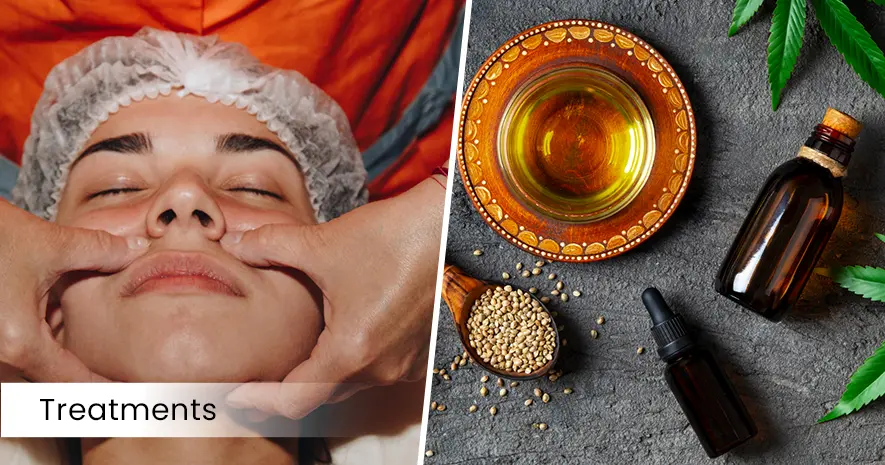
Daily habits play a massive role in the recovery.
- Consume warm, nourishing foods.
- Strictly avoid cold water, cold winds, and cold environments during and after the treatments.
- Do not suppress natural bodily urges.
- Avoid excessive traveling.
- Ensure adequate sleep.
- Avoid excessive talking, loud laughing, or chewing hard food on the affected side during the acute phase.
- Avoid stress
- Include relaxation practices like pranayama
- Perform gentle facial exercises for 10-15 minutes daily once the acute inflammation subsides.
A physical examination by an Ayurvedic physician is essential to determine the stage of the pathology. Early intervention and proper on-time treatment from a qualified doctor is critical for full recovery.
October 16, 2026
October 09, 2026
September 24, 2026
September 19, 2026

September 18, 2026
September 03, 2026
We use cookies that are necessary for the smooth operation of the website, to improve our website and to display advertising relevant to you on social media platforms and partner websites. By clicking "Accept all", you agree to the use of cookies for convenience features and statistics and tracking. You can change these settings again at any time. If you do not agree, we will limit ourselves to technically necessary cookies. For more information, please see our privacy policy .