
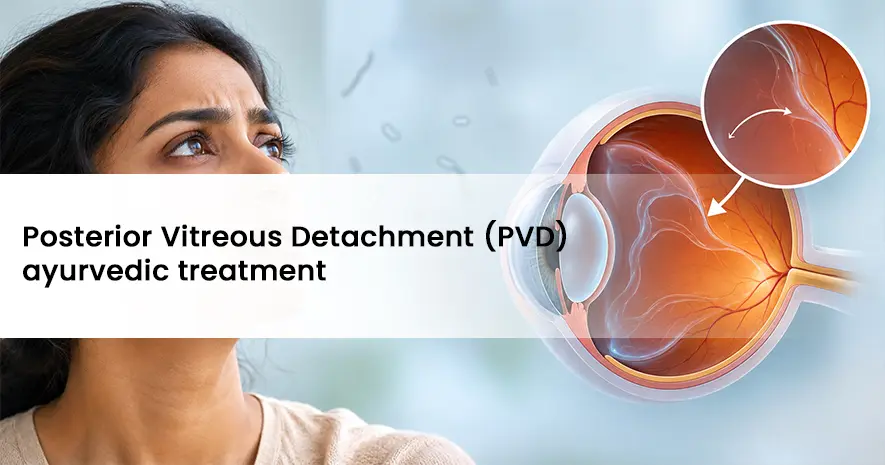
Posterior Vitreous Detachment (PVD) is a common, usually age-related condition of eye. It is the separation of the vitreous gel (transparent, gel-like substance) from the retina at the back of the eye. In most cases it is benign and self-limiting. PVD is usually harmless and does not permanently affect vision, its sudden onset can sometimes cause a retinal tear or retinal detachment.
With ageing, the vitreous gradually undergoes liquefaction and becomes less firmly attached to the retina. As the gel contracts, it may pull away from the retinal surface which is called PVD.
Whereas, in some individuals, the vitreous remains strongly adherent to certain areas of the retina. During separation, traction at these attachment sites can result in retinal tears or, less commonly, other complications.
Causes of PVD
- Age
- Myopia
- Previous Surgery (Cataract, PRP)
- Ocular inflammations
- Ocular trauma
- Vitreous hemorrhages
Symptoms of PVD
- Floaters
- Flashes of light
- Blurred or hazy vision
- Curtain-like shadow
Types of PVD
- Complete PVD
- Incomplete PVD
Ayurveda consider PVD as a condition involving vitiation of Vata. According to Ayurveda ageing is associated with Vata predominance and tissue depletion, but a direct classical equivalent cannot currently be established. Ayurvedic dietary and lifestyle measures may be used as supportive measures for general ocular and systemic health.
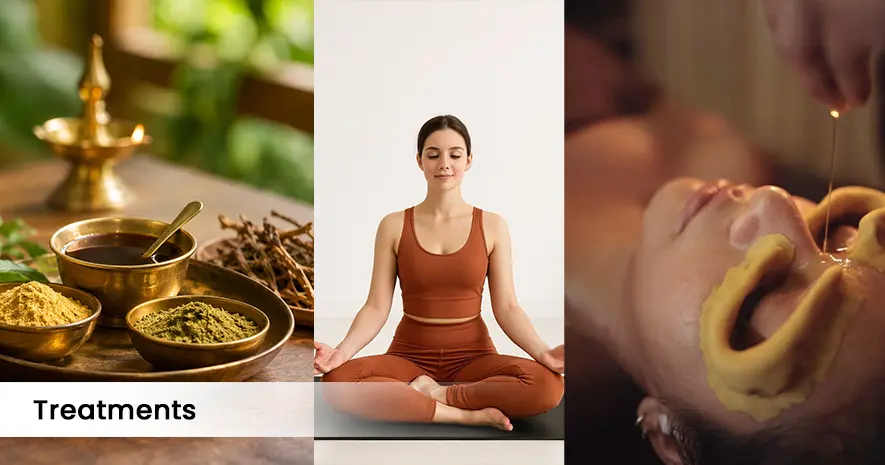
Sreedhareeyam approaches PVD as a degenerative condition which require the holistic approaches. Our goal is an integrative approach therefore be to combine appropriate retinal care with safe lifestyle. The line of treatments mainly aiming on Shamana, Rasayana, with kriyakalpas and if necessary mild Shodhana.
Treatments include:
1. Shamana Chikitsa
- Internal Medications: Deepana, Amapachana followed by Vata Shamaka medications according to Prakriti, age, Agni, associated disorders and the individual's overall clinical condition
- External treatments like : Shiro abhyanga/Shiro dhara/Shiro pichu
- Nasya: Brhumana Nasya
2. Kriyakalpas:
- Netradhara
- Aschyotana
- Netra Tarpana
3. Rasayana: Internal medications and treatments providing nourishment to eye.
4. In case if any other conditions where Shodhana is advisable, mild Shodhana can be performed like Mridu virechana.
1. Pathya
A healthy lifestyle may include:
- Adequate sleep
- Regular physical activity
- Balanced nutrition
- Adequate hydration
- Maintaining healthy body weight
- Control of diabetes and blood pressure
- Regular ophthalmic examinations when indicated
- For individuals with diabetes, good glycaemic control is particularly important for protecting the retina.
2. Apathya
Avoid or minimise:
- Smoking
- Excessive alcohol consumption
- Poorly controlled diabetes
- Prolonged sleep deprivation
- Highly processed diets
- Heavy lifting, straining, or sudden jerky movements.
- Prolonged exposure to bright light or screens without breaks.
- Suppressed natural urges
Yoga and Pranayama:
Yoga can be incorporated as part of a healthy lifestyle, but it should not be considered as a treatment that reverses PVD.
- Simple stretching
- Relaxation techniques
- Mindfulness
-Gentle breathing exercises
- Walking
One should always take an expert opinion before starting self-treatment. It should also be in mind that inverted poses, strenuous practices like Shirshasana, are to be avoided as they may lead to increased Intraocular pressure or in conditions like PVD were retinal tears are suspected.
Seek urgent medical support in case if a patient notes a sudden onset of flashes, floaters, numerous new black spots, loss of peripheral vision, or sudden reduction in vision
November 10, 2026
November 06, 2026
October 26, 2026
October 22, 2026
October 16, 2026
October 09, 2026
We use cookies that are necessary for the smooth operation of the website, to improve our website and to display advertising relevant to you on social media platforms and partner websites. By clicking "Accept all", you agree to the use of cookies for convenience features and statistics and tracking. You can change these settings again at any time. If you do not agree, we will limit ourselves to technically necessary cookies. For more information, please see our privacy policy .