

Diabetes mellitus has become a defining health crisis of the modern era, particularly in India, where its prevalence continues to rise at an alarming rate. Once considered a disease of middle and old age, it is now affecting younger individuals in their thirties and forties due to lifestyle changes, dietary habits, and urban stress. This metabolic disorder, marked by chronically elevated blood glucose levels, arises due to insufficient insulin production or impaired cellular response to insulin, leading to systemic complications affecting multiple organs. While modern medicine has developed effective interventions such as insulin therapy, oral hypoglycemic agents, and dietary management strategies, there is increasing interest in Ayurveda’s holistic approach, which aims to restore metabolic equilibrium and prevent disease progression at its root.
Ayurveda, the traditional system of medicine in India, correlates diabetes mellitus with Prameha, a condition characterized by excessive urination, metabolic dysfunction, and systemic tissue degradation. Specifically, Madhumeha, a subtype of Prameha, closely resembles chronic diabetes, which is considered a maharoga (major systemic disease) with hereditary influences. This perspective shifts the focus from glucose control alone to a comprehensive framework that considers diet, digestion, metabolism, and tissue health. By integrating Ayurvedic wisdom with scientific understanding, we can explore sustainable strategies for diabetes management that extend beyond blood sugar regulation to overall well-being.
Over the past few decades, diabetes prevalence has surged worldwide, increasing from 4.7% in 1980 to 8.5% in 2014, with India experiencing one of the highest growth rates. The International Diabetes Federation (IDF) estimated that in 2019, over 77 million Indians were living with diabetes, with projections reaching 134 million by 2045. Type 2 diabetes mellitus (T2DM) accounts for 90% of cases, largely driven by sedentary behavior, high-calorie diets, and chronic stress, which lead to obesity, insulin resistance, and systemic inflammation.
In Ayurveda, diabetes is not a new phenomenon. Classical texts like Charaka Samhita and Sushruta Samhita describe Prameha as a progressive disorder arising from faulty metabolism and an excess of Kapha and Meda (fat tissue). The similarities between ancient descriptions and modern scientific insights are striking, underscoring how lifestyle, digestion, and metabolism are deeply intertwined in the development of diabetes.
Prameha and Dosha Imbalance
Ayurveda classifies Prameha into two primary types:
Sahaja Prameha (Hereditary Diabetes): This condition, caused by Beejadosha (genetic predisposition), is comparable to Type 1 Diabetes Mellitus (T1DM), an autoimmune disorder characterized by absolute insulin deficiency. Ancient Ayurvedic scholars acknowledged the incurability of this form, recommending long-term management strategies to maintain health and prevent complications.
Apathyanimittaja Prameha (Acquired Diabetes): This type, resulting from improper diet, sedentary lifestyle, and metabolic disturbances, aligns closely with Type 2 Diabetes Mellitus (T2DM), which is preventable and reversible in early stages. It is primarily linked to Kapha dosha aggravation, Medo dhatu vitiation, and Mandagni (sluggish digestive fire), leading to obesity, insulin resistance, and lipid imbalances.
According to Ayurveda, diabetes progresses through four key pathological changes:
1. Kapha dominance leads to excess fluid retention and weight gain, causing insulin resistance.
2. Kleda accumulation (moisture imbalance) destabilizes fat metabolism, increasing cholesterol, triglycerides, and inflammation.
3. Agni dysfunction (digestive impairment) results in unmetabolized glucose accumulation, causing hyperglycemia.
4. Vata aggravation at later stages leads to neuropathy, retinopathy, and tissue degeneration, akin to diabetic complications affecting the nervous system and vision.
The Systemic Impact of Diabetes:
Diabetes is far more than a disorder of blood sugar regulation—it is a systemic disease affecting multiple tissues and organs. Persistent hyperglycemia damages blood vessels (vasculopathy), nerves (neuropathy), kidneys (nephropathy), eyes (retinopathy), and skin (wound healing disorders).
- Cardiovascular Complications: Chronic hyperglycemia accelerates atherosclerosis, increasing the risk of heart attacks, strokes, and hypertension. Ayurveda describes Raktavaha Srotodushti (vascular damage) due to Pitta and Kapha imbalances.
- Nervous System Impairment: Diabetic neuropathy results in burning sensations, numbness, and autonomic dysfunction, aligning with Vata disorders affecting Majja Dhatu (nervous tissue).
- Ophthalmological Complications: As an ophthalmologist, I often see patients suffering from diabetic retinopathy, cataracts, and glaucoma due to retinal microvascular damage. Ayurveda describes Pitta-Kapha vitiation in the eyes (Netra), requiring a combination of ocular therapies and systemic detoxification.
- Renal Dysfunction: Diabetic nephropathy, leading to proteinuria and kidney failure, is associated with Meda and Kleda accumulation, necessitating Rakta Shodhana (blood purification) therapies in Ayurveda.
These complications underscore why diabetes requires a comprehensive and preventive approach, not just glucose control.
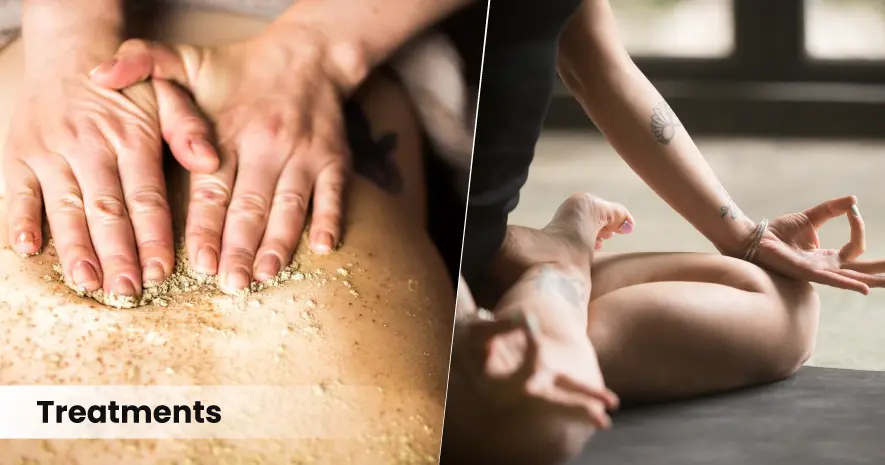
Ayurvedic Management:
Ayurvedic management of Prameha (diabetes) focuses on reducing Kapha, detoxifying the body, and strengthening digestion (Agni) to regulate metabolism effectively. This is achieved through a combination of medicinal therapy, detoxification techniques, and lifestyle interventions.
1. Shodhana Chikitsa (Detoxification Therapy)
Panchakarma therapies help remove excess Kapha, toxins (Ama), and metabolic wastes from the body.
-Virechana (Purgation Therapy) clears Pitta and Kapha, reducing inflammation, insulin resistance, and oxidative stress.
-Basti (Medicated Enema) regulates Vata imbalance, preventing neuropathy and digestive sluggishness.
-Udvartana (Herbal Powder Massage) stimulates fat metabolism, helping manage obesity-related diabetes.
2.Shamana Chikitsa (Herbal Medicines for Diabetes Management)
Ayurvedic herbs have been extensively studied for their hypoglycemic, insulin-sensitizing, and anti-inflammatory effects.
-Gymnema sylvestre enhances insulin secretion and regenerates pancreatic beta cells.
-Pterocarpus marsupium has demonstrated blood sugar-lowering properties in clinical studies.
-Turmeric and Amla (Emblica officinalis) reduce oxidative stress and enhance glucose metabolism.
3.Pathya Aahara Vihara (Diet and Lifestyle for Diabetes Prevention)
Dietary regulation is crucial for balancing Agni and preventing metabolic dysfunction. Ayurveda recommends low-glycemic foods such as barley (Yava), horse gram (Kulattha), bitter gourd (Karavellaka), and green gram (Mudga), which stabilize blood sugar and enhance insulin sensitivity.
Physical activity, including Yoga, Pranayama, and regular exercise, plays a vital role in preventing insulin resistance, improving circulation, and reducing stress-induced glucose spikes.
Diabetes, akin to Prameha in Ayurveda, is not just a disorder of glucose metabolism but a multisystem disease requiring a holistic approach. While modern medicine excels in blood sugar monitoring and pharmacological interventions, Ayurveda offers a deeper perspective by addressing root causes, improving digestion, and preventing complications through detoxification, dietary modifications, and herbal interventions.

October 16, 2026

October 09, 2026

September 24, 2026

September 19, 2026

September 18, 2026

September 03, 2026
We use cookies that are necessary for the smooth operation of the website, to improve our website and to display advertising relevant to you on social media platforms and partner websites. By clicking "Accept all", you agree to the use of cookies for convenience features and statistics and tracking. You can change these settings again at any time. If you do not agree, we will limit ourselves to technically necessary cookies. For more information, please see our privacy policy .