
What are HbA1c Levels?
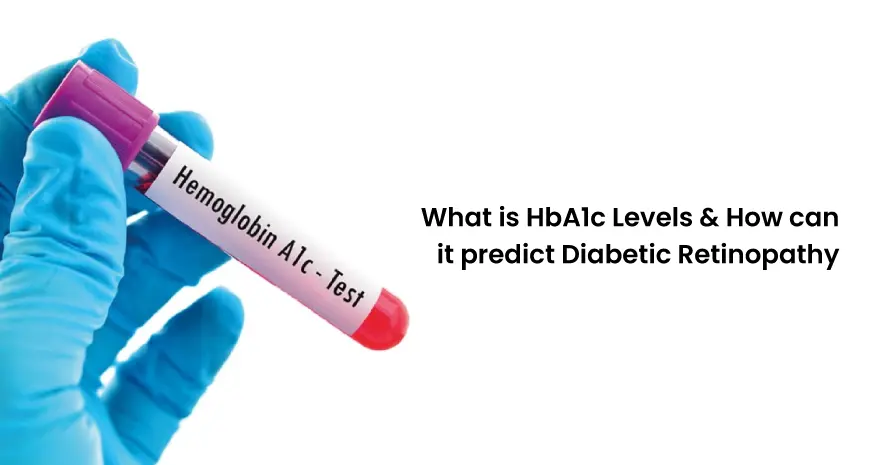
The HbA1c test, also known as the glycated hemoglobin or A1c test, is a blood test that measures your average blood glucose (blood sugar) levels over the past two to three months. This is different from a daily blood sugar reading, which gives you a snapshot of your glucose level at a single point in time.
Hemoglobin is a protein found in your red blood cells that carries oxygen. When glucose is in your bloodstream, it sticks to hemoglobin. The more glucose in your blood, the more it attaches to the hemoglobin. Since red blood cells have a lifespan of about three months, the HbA1c test provides a reliable "big picture" view of your long-term blood sugar control.
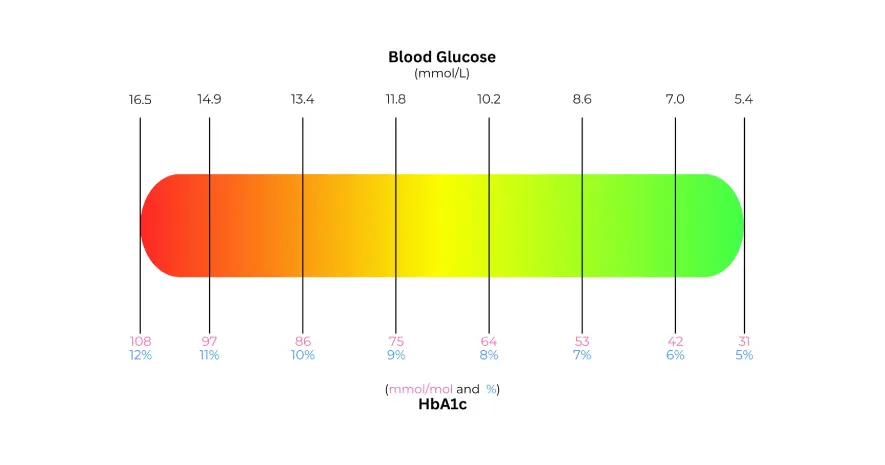
HbA1c levels are expressed as a percentage, representing the portion of your hemoglobin that is coated with glucose.
Common HbA1c ranges are:
● Normal: Below 5.7%
● Prediabetes: 5.7% to 6.4%
● Diabetes: 6.5% or higher
How HbA1c Levels Can Predict Diabetic Retinopathy
Diabetic retinopathy (DR) is a serious complication of diabetes that damages the blood vessels in the retina, the light-sensitive tissue at the back of the eye. It is a leading cause of blindness worldwide. The development and progression of diabetic retinopathy are strongly linked to consistently high blood sugar levels over time. This is where HbA1c becomes a critical predictive tool.
Here's how high HbA1c levels can predict diabetic retinopathy:
1. Direct Correlation: Numerous studies have established a strong and direct relationship between elevated HbA1c levels and the presence and severity of diabetic retinopathy. The higher the HbA1c percentage, the greater the risk of developing DR. This is because prolonged hyperglycemia (high blood sugar) damages the tiny blood vessels in the retina, leading to leakage and the growth of new, fragile vessels.
2. Indicator of Long-Term Control: An HbA1c test provides a reliable measure of long-term glycemic control. Unlike a one-time blood glucose reading, which can be influenced by recent meals or activity, HbA1c reflects the average glucose exposure to the body's tissues over months. This makes it a powerful indicator of the sustained damage that can lead to diabetic retinopathy.
3. Predicting Progression: Patients with poorly controlled diabetes, reflected by consistently high HbA1c levels, are at a higher risk of their retinopathy progressing to more severe stages, such as proliferative diabetic retinopathy (PDR), which is characterized by the growth of abnormal and weak blood vessels that can bleed and lead to vision loss.
4. Identifying Risk: While HbA1c is a strong predictor, it's important to note that it's not the only risk factor. Other factors like the duration of diabetes, high blood pressure, high cholesterol, and genetics also play a role. However, HbA1c is considered a key biomarker for assessing the risk of microvascular complications like diabetic retinopathy.
By monitoring HbA1c levels regularly, healthcare providers can assess how well a patient's diabetes is being managed and identify those at high risk for developing or progressing diabetic retinopathy. Maintaining a target HbA1c level, often below 7%, is a critical strategy for preventing or slowing the onset of this vision-threatening complication.

October 16, 2026

October 09, 2026

September 24, 2026

September 19, 2026

September 18, 2026

September 03, 2026
We use cookies that are necessary for the smooth operation of the website, to improve our website and to display advertising relevant to you on social media platforms and partner websites. By clicking "Accept all", you agree to the use of cookies for convenience features and statistics and tracking. You can change these settings again at any time. If you do not agree, we will limit ourselves to technically necessary cookies. For more information, please see our privacy policy .