

Periorbital edema in simple terms refers to puffy eyes is when fluid accumulate in the tissue around the eyes. Puffy eyes can be caused by variety of factors including allergies, ageing, life style factors or certain medications. Some cases of puffy eyes may resolve on their own, while others require prompt treatment.
Causes of puffy eyes:
Fluid Retention : excessive salt intake can retain water in body resulting in puffiness around eyes
Lack of sleep: poor-quality sleep can disrupt the body's fluid balance, causing fluid to pool under the eyes and making them appear puffy and tired.
Aging: Aging causes the skin and muscles around the eyes to weaken, leading to sagging and fat/fluid accumulation in the lower eyelids.
Alcohol Consumption: Excessive alcohol intake can cause dehydration and fluid retention, leading to puffy eyes.
Crying: Tears in eyes contains salt causing irritation to delicate eyelid and temporary puffiness around eyes.
Genetics: Some individuals are simply more prone to puffy eyes due to genetic predisposition.
Dehydration-lack of fluid intake can lead to water retention around eyes.
Allergies :various allergies such as food allergies, medication allergies, seasonal allergies, latex allergies can result in periorbital edema or puffiness of eyes
Injury: Trauma or injury to the eye area can cause swelling.
Stye: A stye can cause swelling, inflammation, and fluid accumulation around the affected eye, leading to puffiness.
Dry eyes: Condition such as dry eye can result in puffiness, redness, and discomfort around the eyes.
Excessive eye strain: Prolonged eye strain can lead to increased blood flow and inflammation, fluid retention and Swelling around eyes.
Kidney Problems: In some cases, kidney problems can lead to fluid retention and swelling.
Symptoms:
Swelling: Visible swelling will be present. This can be mild or very severe.
Redness: The skin around your eyes might look red, which is called erythematous skin
Translucent Skin: Sometimes the eyelid skin appears thin and clear.
Conjunctival Swelling: The clear membrane covering the white part of your eye might swell, known as chemosis. This makes the eyes look "glassy" or "watery".
Conjunctival Prolapse: In severe cases, the swollen conjunctiva might even push outwards.
Thickened Eyelids: The eyelids might feel or look thicker than usual
‘Bags" or "Dark Circles": Dark circles may present under the eyes, especially in the morning or after eating salty foods.
Changes in Skin Texture: The eyelid skin can become papery-thin, wrinkly, or develop specific vertical wrinkles, particularly with conditions like blepharochalasis or atopic dermatitis
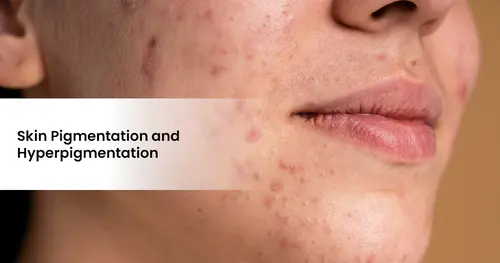
Hyperpigmentation: The eyelids might appear darker due to increased pigment.
Downward-Turned Eyelashes: The upper eyelashes might point downwards, which can be a sign of chronic inflammation
Bulging Appearance: This can happen if the lacrimal gland or orbital fat prolapses.
Normal Skin Colour: In some cases, despite significant swelling, the skin color over the eyelid remains normal, which can be a clue to specific causes like CSF leakage.
Subjective Symptoms:
Tenderness or Pain: The area around the eye, including the lacrimal gland, may or may not feel tender or painful
Itching: There might be an itchy sensation around the eyes, especially with allergic reactions
Ocular Irritation: The eyes might feel irritated, gritty, or burning
Dryness: Despite the swelling, your eyes can feel dry, leading to morning crusting or sensitivity to light.
Blurry Vision: The vision might become temporarily blurry
Diminished Eye Opening: The swelling can make it harder to open the eye fully.
Visual Disturbance: Severe swelling can also affect the overall vision.
Other Important Signs:
Worse in the Morning: The swelling might be worse first thing in the morning and improve throughout the day, especially with whole-body fluid retention issues.
Rapid Change: If the change in eyelid appearance has happened relatively quickly (over weeks or months) rather than slowly over years, it's especially important to get it checked out. Eyelid edema that appears rapidly needs careful attention and evaluation
Ayurvedic Remedies and Treatments
Ayurveda identifies puffy eyes as a symptom of an imbalance in the body's doshas, particularly Kapha and sometimes Pitta. Kapha, can cause fluid retention while Pitta, can cause inflammation. The Ayurvedic management for puffy eyes focuses on restoring this balance with topical applications, internal treatments, dietary adjustments, and lifestyle changes.

Home Remedies
These remedies are often used for their cooling, anti-inflammatory, and astringent properties.
Cucumber Slices: Chilled cucumber slices are a classic remedy. Their high water content and natural astringent properties help reduce swelling and hydrate the skin.
Rose Water: Rose water is known for its soothing and cooling properties. Soak cotton pads in pure rose water and place them on the eyes helps reduce puffiness and soothe tired eyes.
Tea Bags: The tannins and catechins in tea, especially green or black tea, have anti-inflammatory effects. Use chilled, used tea bags over the eyes for helps to reduce puffy eyes.
Sandalwood Paste: Mix sandalwood powder with a few drops of rose water and apply this paste under the eyes to cool the area and reduce puffiness.
Turmeric Paste: Turmeric has potent anti-inflammatory and brightening properties. Mix a pinch of turmeric with a few drops of almond oil or rose water to form a paste and apply it under the eyes.
Almond Oil: Gently massaging warm almond oil under the eyes can improve blood circulation and nourish the delicate skin, which helps reduce puffiness and dark circles.
Triphala Eye Wash: An eye wash made from a solution of Triphala powder is used to cleanse and rejuvenate the eyes, and can help reduce inflammation.
Internal Management
Reduce Salt Intake: Excess salt can lead to fluid retention and worsen puffiness.
Hydrate: Drink plenty of water throughout the day to help flush out toxins and prevent fluid retention.
Include Hydrating Foods: Consume fruits and vegetables with high water content
Avoid spicy, sour, and excessively salty foods. Consume food which is light, warm, and easily digestible foods to balance Kapha.
Certain medicines like triphala are used to detoxify the body and balance doshas, which in turn helps with eye puffiness.
- Lifestyle Changes
- Get Adequate Sleep
- Elevate the head while sleeping
- Reduce Screen Time
- Exercise and Yoga
- Abhyanga (Self-Massage)
Puffy eyes can also be a symptom of underlying medical conditions, such as kidney or liver issues, and should be evaluated by a healthcare professional.

October 16, 2026

October 09, 2026
September 24, 2026

September 19, 2026

September 18, 2026

September 03, 2026
We use cookies that are necessary for the smooth operation of the website, to improve our website and to display advertising relevant to you on social media platforms and partner websites. By clicking "Accept all", you agree to the use of cookies for convenience features and statistics and tracking. You can change these settings again at any time. If you do not agree, we will limit ourselves to technically necessary cookies. For more information, please see our privacy policy .