
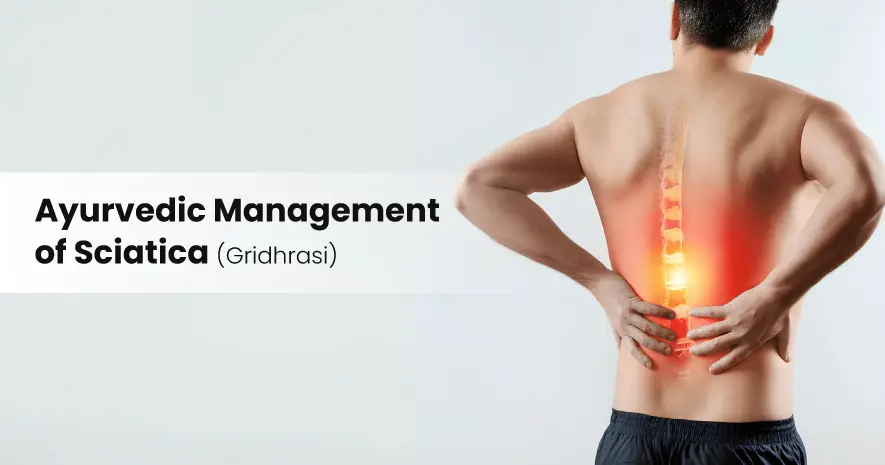
Sciatica is a painful condition characterized by radiating discomfort that follows the course of the sciatic nerve—beginning from the lower back, coursing through the buttocks, and extending down the posterior aspect of the legs. This pain, often sharp or burning in nature, is not a disease in itself but a manifestation of underlying disturbances such as nerve root compression, disc herniation, spinal stenosis, or degenerative vertebral changes.
In Ayurvedic medicine, this condition is recognized and classified under the name Gridhrasi, a term derived from the Sanskrit root "Gridhra," meaning vulture. This nomenclature is symbolically attributed to the typical gait observed in affected individuals—a forward-leaning posture, stiff leg movement, and difficulty in locomotion—resembling the slow, awkward movements of a vulture. Ayurvedic scholars have long explored this condition in their treatises, considering it one of the primary Vata Vyadhi (disorders arising from deranged Vata dosha).
Pathophysiology and Dosha Involvement
Gridhrasi is predominantly a Vataja disorder, but it may also involve Kapha in some cases. Vata, the dosha responsible for movement, nerve transmission, and pain sensation, when aggravated, initiates dryness, constriction, and erratic impulses along the sciatic nerve pathways. When Kapha is also vitiated, it manifests as heaviness, numbness, and a dragging sensation in the affected limb.
Two primary types of Gridhrasi are classically described:
- Vataja Gridhrasi, which is marked by sudden onset, stabbing pain, stiffness, and dry features.
- Vata-Kaphaja Gridhrasi, where pain is accompanied by swelling, dullness, heaviness, and a feeling of coldness in the lower limbs.
In modern anatomical terms, these presentations correlate with sciatica resulting from mechanical nerve compression due to herniated intervertebral discs, lumbosacral spondylosis, or muscular impingement, with or without associated inflammation.
Causative Factors (Nidana)
Ayurveda emphasizes the importance of identifying and removing the root cause (Nidana Parivarjana) as the first line of treatment. Etiological factors for Gridhrasi include physical overexertion such as prolonged walking (Ati-Gamana), prolonged standing (Ati-Sthana), improper postures like squatting for extended periods (Utkatasana), and lifting heavy objects without spinal alignment (Guru-Bhara-Harana). Seasonal aggravation, particularly during the cold, dry climate of Sheeta Kala (winter), also contributes to Vata imbalance.
These triggers, either alone or in combination, lead to Vata vitiation in the Kati (lumbar) and Sphik (hip) regions, resulting in neurological dysfunction along the sciatic path.
Ayurvedic Treatment Strategies
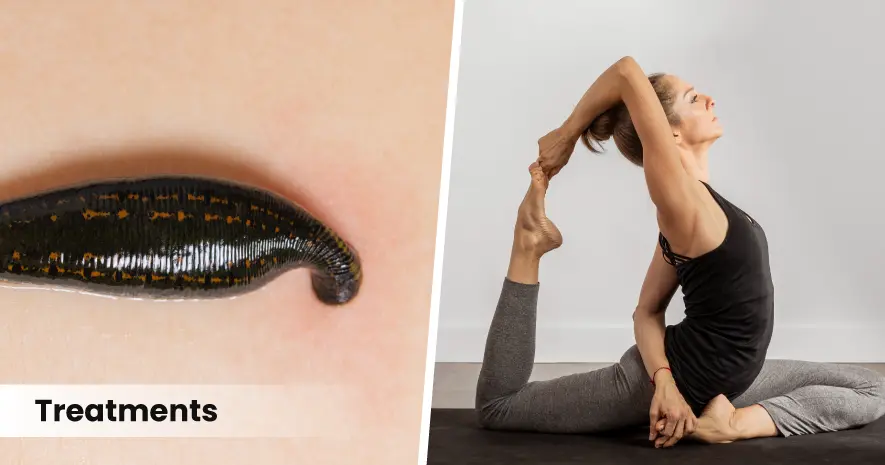
The Ayurvedic approach to managing Gridhrasi is multidimensional and patient-specific. It seeks to pacify the aggravated doshas, restore normal nerve conduction, reduce inflammation, and enhance musculoskeletal strength and flexibility. The treatment is broadly categorized into Shodhana (purificatory therapies), Shamana (palliative therapies), and supportive lifestyle interventions.
Shodhana Chikitsa (Detoxification and Elimination)
In cases of deep-seated doshic imbalance or chronic presentation, detoxification becomes essential. The therapy begins with Deepana and Pachana—measures to improve digestive fire and reduce Ama (toxic metabolic waste). This is followed by internal and external oleation (Snehana) using medicated oils, preparing the body for elimination therapies.
Among the five main Panchakarma procedures, Basti (medicated enema) is considered the most effective for Vata disorders. The administration of oil-based and decoction-based enemas, customized according to the patient’s constitution and dosha predominance, helps eliminate aggravated Vata from its primary site—the colon—and thereby alleviates sciatic pain.
Virechana or therapeutic purgation may be employed in cases where Pitta involvement is suspected, and if constipation and digestive sluggishness are present, Mridu Virechana (mild purgation) using Eranda taila (castor oil) and Nirgundi swarasa (Vitex negundo juice) can offer symptomatic relief.
Agni Karma (therapeutic cauterization) is another traditional modality where controlled application of heat using metal rods or herbal pastes is administered over the trigger points. This technique is beneficial in reducing localized pain, improving circulation, and relaxing deep muscle spasms.
Siravyadha (bloodletting), though more rarely used, is indicated in highly inflamed and swollen presentations. By relieving vascular congestion and doshic accumulation in the localized area, it effectively reduces pain and stiffness.
Shamana Chikitsa (Palliative Internal and External Medications)
When dosha involvement is moderate or once purificatory therapies have been completed, oral and topical medications form the mainstay of management. Oils such as Mahanarayana Taila, Sahacharadi Taila, and Ksheerabala Taila are employed in Abhyanga (therapeutic massage) to improve neuromuscular tone, promote circulation, and pacify Vata. Daily or alternate-day massage, followed by hot water baths, supports flexibility and comfort.
Decoctions like Maharasnadi Kwatha and Rasna Saptaka Kwatha are prescribed to relieve pain, reduce inflammation, and facilitate movement. Formulations like Trayodashanga Guggulu and Rasna Guggulu provide synergistic effects by targeting inflammation, nerve irritation, and musculoskeletal stiffness.
Regular use of these preparations restores the balance of doshas at the site of pathology, strengthens Asthi Dhatu (bone tissue) and Majja Dhatu (nervous tissue), and ensures sustained relief from recurrence.
Lifestyle and Dietary Considerations
Lifestyle regulation is as important as medication in Ayurvedic management. Prolonged standing, sedentary work, lifting heavy loads, or exposure to cold and damp climates should be avoided. Gentle stretches, walking, and mild yogic postures such as Bhujangasana, Ardha Matsyendrasana, and Shavasana aid rehabilitation and nerve relaxation.
A diet that pacifies Vata is essential—warm, soft, unctuous meals with easily digestible grains like rice and mung beans are encouraged. Bitter and astringent foods help reduce inflammation, while spicy, dry, and excessively cold items should be avoided. Hydration with warm herbal teas and medicated decoctions supports digestion and reduces Ama.
Conclusion
The Ayurvedic management of Gridhrasi—or sciatica—offers a time-tested, individualized, and deeply holistic approach. Instead of merely suppressing symptoms, it seeks to resolve the underlying doshic imbalance, detoxify the system, restore nerve and muscle function, and rejuvenate the musculoskeletal framework. By integrating Panchakarma therapies, herbal formulations, lifestyle regulation, and dietary moderation, Ayurveda not only alleviates acute symptoms but also fortifies the body against future recurrences, promoting sustained health and functionality.
October 16, 2026
October 09, 2026

September 24, 2026

September 19, 2026

September 18, 2026

September 03, 2026
We use cookies that are necessary for the smooth operation of the website, to improve our website and to display advertising relevant to you on social media platforms and partner websites. By clicking "Accept all", you agree to the use of cookies for convenience features and statistics and tracking. You can change these settings again at any time. If you do not agree, we will limit ourselves to technically necessary cookies. For more information, please see our privacy policy .