
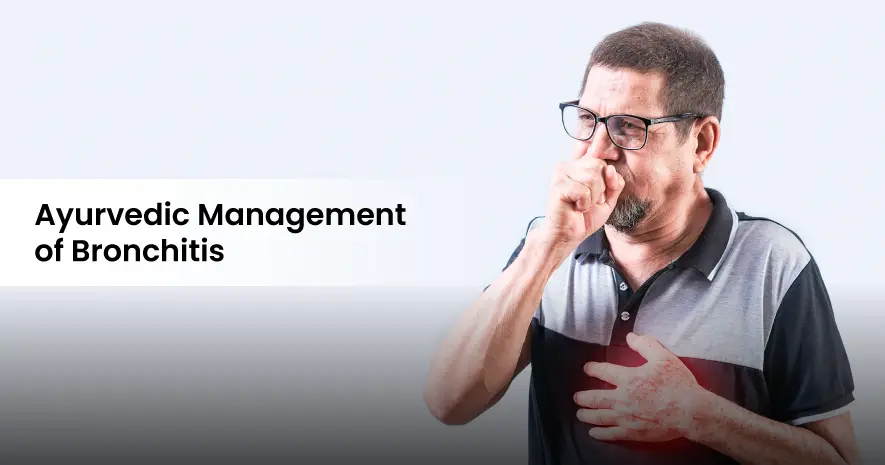
Bronchitis, a condition marked by inflammation of the bronchial tubes—the air passages that carry air to and from the lungs—is one of the most common respiratory ailments encountered in clinical practice. The onset typically begins with symptoms such as sore throat, mild chest discomfort, low-grade fever, and a dry or productive cough. If not addressed at the initial stage, this condition can progress to involve excessive mucus production, wheezing, breathlessness, and persistent cough, ultimately indicating inflammation progressing toward an infectious state. Bronchitis may be classified broadly into two clinical types: acute bronchitis, which is a transient inflammatory response usually caused by viral pathogens and resolves within a few weeks, and chronic bronchitis, a more serious, long-standing condition characterized by continuous inflammation and excessive mucus production for at least three months in a year, for two consecutive years.
The susceptibility to bronchitis is higher among certain groups, including children, elderly individuals, smokers, and those with compromised immune function or pre-existing respiratory conditions such as asthma or chronic obstructive pulmonary disease (COPD).
In the Ayurvedic framework, bronchitis—particularly its chronic variant—is closely related to Kaphaja Kasa, a type of cough disorder arising predominantly from vitiated Kapha dosha. This pathology reflects the accumulation of heavy, sticky, and cold qualities that obstruct the respiratory channels (Pranavaha Srotas) and impair the normal function of Udana Vata, the sub-dosha responsible for respiratory mechanics, voice, and upward movement of air.
The causative factors (Nidanas) for this condition, as elucidated in classical Ayurvedic texts, include the consumption of foods that are heavy (Guru), channel-clogging (Abhishyandi), excessively sweet (Madhura), and oily (Snigdha). In addition to dietary indiscretions, lifestyle factors such as day sleeping (Divaswapna), physical inactivity (Achesta), and regular exposure to dust (Raja), smoke (Dhuma), cold water (Sheetambu), or bathing in cold environments (Sheeta Snana) aggravate the vitiation of Kapha and contribute to the pathogenesis of chronic bronchial inflammation.
The Ayurvedic management of bronchitis is comprehensive and includes preventive, curative, and promotive aspects of health. The first and most important step is Nidana Parivarjana, or strict avoidance of causative and aggravating factors. This includes refraining from smoking, avoiding polluted or cold environments, and implementing seasonal precautions—especially during the winter months or while traveling to cold regions. This foundational principle ensures that the disease process is not further aggravated by external or internal triggers.
Once the nidana has been removed, Samshamana Chikitsa, or palliative care, is initiated to balance the aggravated doshas—primarily Kapha and Vata. This involves the use of specific herbal drugs known for their Katu (pungent), Ushna (hot), Tikshna (penetrating), and Chedana (expectorant) properties. These herbs also demonstrate bioactivities such as mucolytic, bronchodilator, antimicrobial, and anti-inflammatory effects. Among these, Vasa (Adhatoda vasica) stands out as a potent bronchodilator and expectorant; Tulasi (Ocimum sanctum) provides immunomodulatory, anti-inflammatory, and adaptogenic benefits; and Shunthi (Zingiber officinalis) acts as an effective anti-inflammatory agent capable of clearing mucus and stimulating respiratory function. Other notable herbs include Yashtimadhu (Glycyrrhiza glabra) with demulcent and expectorant properties, Kantakari (Solanum indicum) for its ability to reduce bronchial edema and secretions, and Pippali (Piper longum) and Maricha (Piper nigrum), both of which are integral components of Trikatu Churna, known for their antihistaminic and decongestant actions. Haritaki (Terminalia chebula), renowned for its Rasayana properties, serves both as a rejuvenator and an immune enhancer in this context.

Classical formulations form the cornerstone of Ayurvedic pharmacotherapy in bronchitis. Agastya Haritaki Avaleha is highly revered as a lung tonic, especially effective in chronic and allergic bronchitis. Vyaghri Haritaki Avaleha offers additional benefits in wheezing and respiratory fatigue. Formulations like Sitopaladi Churna, Haridra Khanda, and Vasarishta offer symptomatic relief by reducing inflammation, liquefying mucus, and enhancing immune function. These formulations also support Agni (digestive fire) and cleanse obstructed Srotas (channels), thereby addressing both the symptom and root cause of the disorder.
In patients presenting with marked Kapha dominance, Shodhana Chikitsa, or bio-purificatory therapy, is employed to eliminate the accumulated doshas from the system. Vamana (therapeutic emesis) is particularly beneficial when excess mucus is present in the stomach and upper GI tract, offering immediate symptomatic relief. Dhumapana (inhalation of medicated smoke) and Kavala-Gandusha (gargling or oil pulling) are also effective adjuncts in liquefying and expectorating phlegm lodged in the oropharyngeal and upper bronchial passages.
It is essential, however, to remember that Ayurvedic therapy is deeply personalized. The choice of herbs, formulations, and procedures is always tailored to the individual’s Prakriti (constitutional nature), Vikriti (current imbalance), strength (Bala), and disease status. Hence, consultation with a qualified Ayurvedic physician is indispensable before initiating therapy.
Pathya-Apathya: Diet and Lifestyle in Bronchitis
An Ayurvedic treatment regimen is incomplete without emphasizing Pathya-Apathya, or therapeutic diet and lifestyle corrections. On the pathya side, individuals are advised to consume warm, light, and easily digestible foods that promote digestive fire (Agni) and reduce Kapha accumulation. Spices like dry ginger, black pepper, and cumin may be incorporated in moderation to aid in mucolysis and digestion. Warm water sips and herbal teas made from Tulasi, ginger, or cinnamon help in liquefying mucus and supporting respiratory clearance.
Conversely, Apathya includes avoiding cold and heavy foods, dairy products, deep-fried or excessively sweet items, irregular food timings, and day sleeping. Avoiding exposure to smoke, dust, and cold environments is particularly important. Suppressing natural urges like sneezing or coughing can aggravate Vata-Kapha pathology and should be discouraged.
Ayurveda, with its emphasis on individualized care, offers a profound and comprehensive approach to the management of bronchitis. By addressing the root cause through lifestyle modifications, dietary corrections, detoxification, and herbal interventions, Ayurvedic treatment not only alleviates symptoms but also enhances the body’s resistance to recurrence. When followed under proper supervision and with dedication, this integrative approach not only mitigates the current inflammation but also fortifies the respiratory system for long-term wellness and improved quality of life.
October 16, 2026

October 09, 2026

September 24, 2026

September 19, 2026

September 18, 2026

September 03, 2026
We use cookies that are necessary for the smooth operation of the website, to improve our website and to display advertising relevant to you on social media platforms and partner websites. By clicking "Accept all", you agree to the use of cookies for convenience features and statistics and tracking. You can change these settings again at any time. If you do not agree, we will limit ourselves to technically necessary cookies. For more information, please see our privacy policy .