
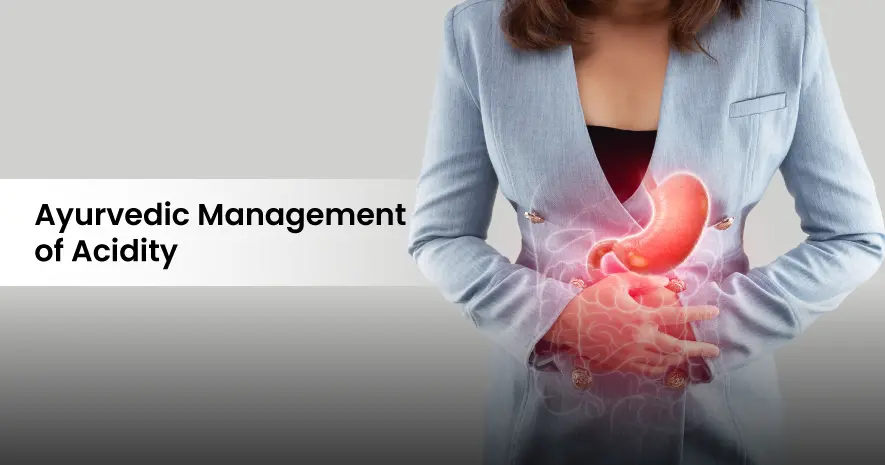
Acidity, more formally referred to as hyperacidity or acid dyspepsia, is a prevalent gastrointestinal complaint characterized by the excessive secretion of hydrochloric acid (HCl) in the stomach. Under normal physiological conditions, gastric acid plays a crucial role in digestion by breaking down ingested food particles and maintaining microbial balance. However, when this acid is produced in excess or when protective mechanisms within the gastric mucosa become compromised, it can lead to irritation of the stomach lining and the esophagus. This results in a spectrum of symptoms including heartburn, regurgitation, bloating, nausea, and in severe cases, damage to the esophageal mucosa—manifesting clinically as gastroesophageal reflux disease (GERD).
In Ayurvedic medicine, this condition is classically described under the umbrella of Amlapitta, a disorder primarily arising from the vitiation of Pitta dosha. Amlapitta has been elaborately categorized in Ayurvedic literature into subtypes depending on the direction of pathological vata-pitta movement. When the aggravated pitta ascends upward into the upper gastrointestinal tract and head region, it is termed Urdhwaga Amlapitta, characterized by sour belching, heartburn, nausea, vomiting, and even headache. In contrast, Adhoga Amlapitta reflects a downward course of pitta derangement, with symptoms like burning sensations in the abdomen, loose stools, and foul-smelling gas. This Ayurvedic conceptualization aligns well with the clinical understanding of GERD, functional dyspepsia, and acid reflux disorders.
Etiological Considerations: Why Does Amlapitta Occur?
From an Ayurvedic standpoint, the causation of Amlapitta is deeply rooted in a combination of improper dietary habits, erratic lifestyles, psychological disturbances, and impaired digestive fire (Agni). Diets that are excessively sour (Amla), salty (Lavana), spicy (Katu), heavy (Guru), oily (Snigdha), or clogging (Abhishyandi) burden the gastrointestinal system and overstimulate Pitta. Irregular meal timings (Vishamashana), overeating, fasting followed by sudden eating (Adhyashana), or consuming incompatible food combinations (Viruddha Ahara) further derange Agni and promote Ama (metabolic toxins), laying the foundation for hyperacidity.
Modern equivalents of these triggers include processed and junk foods, caffeine, alcohol, excessive soft drinks, chocolate, and food preservatives. Similarly, faulty lifestyle practices such as sleep disturbances, sedentary habits, suppression of natural urges (Vegadharana), chronic stress, and excessive exposure to heat or sunlight (Atapa) are known to elevate Pitta and predispose individuals to acid disorders.
Additionally, certain systemic illnesses like diabetes, obesity, hypothyroidism, or pregnancy may act as predisposing factors, along with medication-induced causes including NSAIDs, antibiotics, or corticosteroids.
Hyperacidity commonly presents with a classic cluster of symptoms: a burning sensation in the chest or throat (heartburn), sour or bitter regurgitation, nausea, excessive belching, bloating, and a sensation of heaviness in the stomach after meals. Chronic acidity may even result in secondary symptoms such as sore throat, hoarseness of voice, dry cough, halitosis, and sleep disturbances. In severe or neglected cases, it may manifest with complications like erosive esophagitis or peptic ulceration.
The Ayurvedic approach to treating Amlapitta is fundamentally holistic and individualized, rooted in the principle of restoring balance to the Pitta dosha while supporting digestion and mental tranquility. Management is carried out through a combination of Nidana Parivarjana (removal of causative factors), Shodhana (cleansing procedures), Shamana (palliative therapy), dietary regulations, and lifestyle modifications.
1. Nidana Parivarjana (Elimination of Causative Factors)
Therapeutic success begins with a rigorous withdrawal from dietary, behavioral, and emotional triggers known to vitiate Pitta. This includes abstaining from spicy, sour, and oily foods, avoiding late-night meals, reducing caffeine and alcohol intake, and managing psychological stressors through mental hygiene practices.
2. Shodhana Chikitsa (Detoxification and Purification)
Virechana, or therapeutic purgation, is the principal detoxification procedure indicated for Amlapitta. Since Pitta resides predominantly in the small intestine and is eliminated through the lower GI tract, Virechana effectively purges excess Pitta, thereby reducing inflammation, enhancing Agni, and restoring homeostasis in digestive secretions. It is usually administered under expert supervision following Snehapana (internal oleation) and Swedana (sudation).
3. Shamana Chikitsa (Palliative Management)
Once the aggravated doshas are brought under control, oral medications are initiated to soothe the gastric mucosa, regulate acid secretion, and strengthen digestive fire. Classical Ayurvedic formulations such as Avipattikara Churna are widely prescribed for their laxative and Pitta-pacifying effects. Patoladi Kashaya and Mahatikta Ghrita are used to detoxify the liver, cleanse the intestines, and reduce internal heat and inflammation.
A range of single herbs with proven gastroprotective, anti-inflammatory, and acid-neutralizing actions are also employed. Shatavari (Asparagus racemosus) nourishes the mucosa and enhances mucosal defense, Yashtimadhu (Glycyrrhiza glabra) provides demulcent and anti-ulcer activity, Amalaki (Emblica officinalis) acts as a potent antioxidant and Pitta-shamana herb, and Guduchi (Tinospora cordifolia) modulates immunity and supports digestion.

4. Manasika Chikitsa (Mind-Body Therapies)
Mental stress is a silent contributor to hyperacidity and must not be overlooked. Ayurveda recognizes that unprocessed emotions such as anger (Krodha), anxiety (Chinta), or chronic mental fatigue disturb Pitta and impair digestion. Psychological counseling, mindfulness practices, and emotional regulation are integral to long-term management.
5. Yoga and Pranayama
Regular practice of Vajrasana (especially after meals), Halasana, Pawanmuktasana, Bhujangasana, and Matsyasana improves abdominal blood circulation and supports digestive organ function. Breathing techniques like Anulom Vilom, Sheetali, and Bhramari Pranayama are recommended to reduce internal heat, calm the nervous system, and regulate autonomic functions associated with digestion.
Pathya–Apathya
Amlapitta patients are advised to follow a Pathya Ahara and Vihara regimen to maintain equilibrium in Pitta and support Agni.
Wholesome foods include bitter-tasting vegetables like Patola (pointed gourd), Karela (bitter gourd), and Karkotaka (spiny gourd); grains such as old rice, barley, and wheat; and pulses like Mudga (green gram). Fruits such as Pomegranate, Indian gooseberry, and Wood apple are cooling and restorative. Cow’s milk, especially from animals in arid regions, is considered beneficial when taken warm and in moderation. Coconut water, lukewarm water, and moderate amounts of ghee, sugar, and honey further assist in Pitta pacification.
Conversely, patients must avoid sour fruits, processed foods, cold drinks, fried snacks, fermented items, and stale meals. Behavioral restrictions include refraining from day sleep, avoiding excessive screen time post meals, and not suppressing natural urges like belching, hunger, or sleep.
Conclusion
Amlapitta or acidity is not merely a local gastric issue; it is a systemic manifestation of a deeper doshic imbalance, mainly involving Pitta. Ayurveda, through its comprehensive diagnostic approach and personalized therapies, aims to eliminate the root causes of hyperacidity and restore digestive harmony. With adherence to proper dietary regimens, timely detoxification procedures, suitable herbal medications, and lifestyle corrections—including mind-body interventions—long-term relief from acidity can be achieved without reliance on suppressive antacids or acid-blockers. Proper diagnosis, constitutional analysis (Prakriti-Vikriti), and guided treatment under an experienced Ayurvedic physician remain key to effective and sustainable management.

October 16, 2026

October 09, 2026

September 24, 2026

September 19, 2026

September 18, 2026

September 03, 2026
We use cookies that are necessary for the smooth operation of the website, to improve our website and to display advertising relevant to you on social media platforms and partner websites. By clicking "Accept all", you agree to the use of cookies for convenience features and statistics and tracking. You can change these settings again at any time. If you do not agree, we will limit ourselves to technically necessary cookies. For more information, please see our privacy policy .