
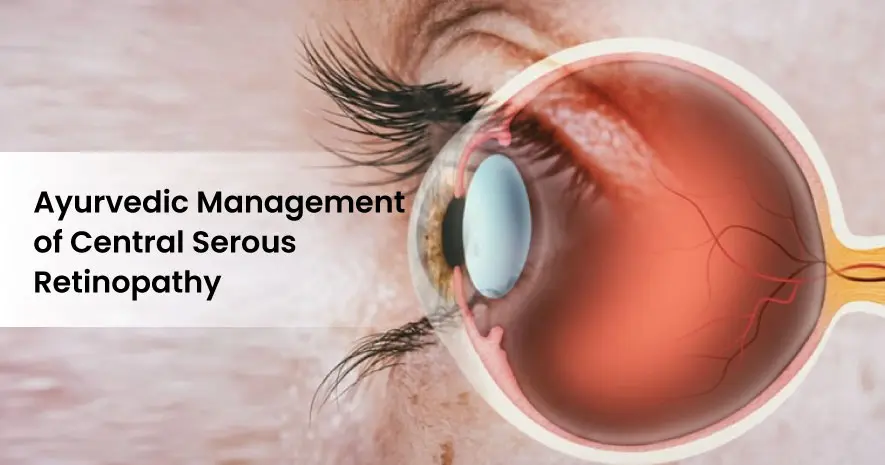
Central Serous Retinopathy (CSR) is idiopathic disorder characterized by localized spontaneous serous detachment of neurosensory retina in the macular region, with or without Retinal Pigmented Epithelial detachment, secondary to leakage from the choriocapillaries through local or less commonly diffuse, hyper permeable RPE defects. It is the fluid accumulation resulting in localized macular detachment, blurring, or distorted central vision. This pathology revolves around a functional or structural defect in the fluid-pumping capabilities of the retinal pigment epithelium (RPE) and choroidal vascular stasis or hyper permeability
Central Serous Retinopathy (CSR) can be managed by targeting the root causes of fluid accumulation, vascular hyper permeability, and associated systemic factors like stress. Ayurveda treats using a combination of internal medications, external therapies, diet, and stress management for reducing fluid accumulation and supporting vision recovery.
Prevalence of diseases were seen in people,
- Young or middle aged males
- Corticosteroid users
- Stress
- Sleep Apnoea or Irregular Sleep Patterns
- Hypertension
- Cardiovascular disorders
- Systemic Lupus Erythematous
- Cushing’s syndrome
Clinical features:
- Unilateral Sudden onset of painless loss of vision/ Blurring of vision
- Floaters
- Distortion of perceived images
- Decrease in image size
- Difficulty in colour identification
Ayurvedic Perspective of Central Serous Retinopathy
According to Ayurveda the symptoms of CSR can more collectively termed under Dhoomadarsi one among Dhrustigatha Roga. An Alpa-Satwa person with occasional inflammation in posterior Segment results in floaters, irregular Foveal contour at central portion of macula may results in distorted vision, micropsia. The signs and symptoms of CSR can be considered under the dosha vitiation in Pradhama and Dvideeya patala, mainly because of the imbalance of kapha pitta dosha and Rasa and raktha dhathus. Rasa and raktha dhathu vitiation is caused by the Vata dosha. This implies the involvement of tridosha in the manifestation of CSR.
Ayurvedic Management of Central Serous Retinopathy
Ayurvedic treatment approaches focuses on Shothahara (reducing swelling/fluid), Pitta-Vata Shamana (pacifying heat and stress), and Rasayana (rejuvenating the retina). This is attained with the help of certain medicines and treatments along with proper Diet and regimen.
Internal Medications effective for CSR:
1. Punarnavadi Kashayam
2. Sameerapanchakam Kashayam
3. Amruthotharam Kashayam
4. Gulgulupanchapalam
5. Saptamrita Loha
6. Stressex Capsule
7. Vilwadi Gulika
8. Manasamithravadakam
9. Vainatheya Grita
10. Triphala Ghrita
11. Chandraprabha Vati
Kriyakalpa & Panchakarma:
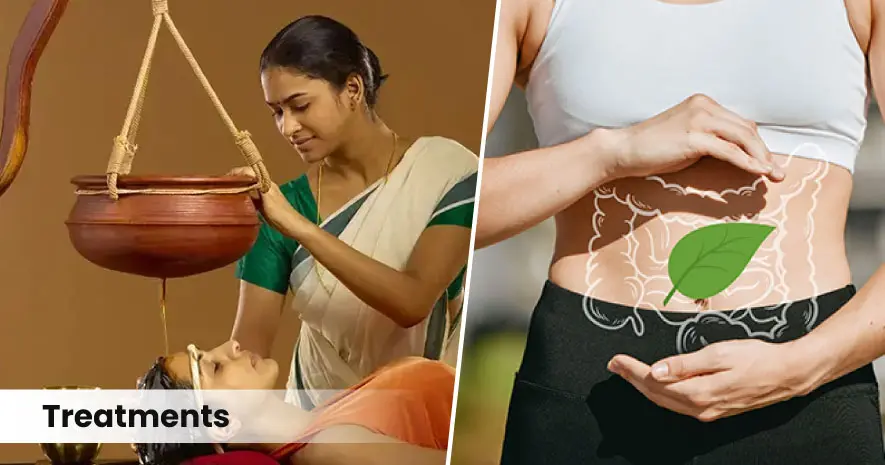
1. Shiropichu: (localized application of medicated oils on the scalp). It helps pacify aggravated pitta dosha, promotes relaxation of ocular tissues, improves circulation around the eyes, and supports detoxification of inflammatory toxins contributing to fluid buildup in CSR.
2. Netra Pariseka: (Pouring medicated herbal liquids over the closed eyelids). It is beneficial in promoting eye health, reducing inflammation, and rejuvenating ocular tissues. In the context of central serous retinopathy (CSR), Netra Parisheka helps enhance local circulation around the eyes, reduces Pitta-related inflammation, and supports the absorption of accumulated subretinal fluid. The treatment works by delivering therapeutic herbs' active compounds through the eyelid skin, which improves the functioning of ocular tissues
3. Anjana Karma: (Therapeutic collyrium) instillation into the eyes. This treatment delivers anti-inflammatory, Pitta-pacifying herbs directly to ocular tissues, aids in healing retinal tissues, normalizes the fluid accumulation by enhancing absorption of subretinal fluid, and protects photoreceptors from damage.
4. Shirodhara: The therapy is believed to pacify aggravated Pitta and Vata doshas, reduce mental stress, and improve the neurovascular regulation around the eyes, thereby indirectly aiding in the reduction of subretinal fluid accumulation characteristic of CSR
5. Virechana: (Therapeutic purgation) is a Panchakarma procedure that eliminates vitiated Pitta Kapha Dosha systemically from deeper tissues and the gastrointestinal tract, thereby reducing systemic inflammation, enhancing metabolic fire (agni), and correcting lymphatic congestion that may contribute to fluid retention and persistent CSR pathology.
6. Nasya: (Administering medicated oils or herbal preparations through the nasal passages). This therapy helps in pacifying aggravated Doshas, especially Pitta and Vata, which are linked to ocular inflammation and fluid imbalance in CSR. Nasya enhances neurovascular regulation, detoxifies channels connected to the eyes, and improves local circulation, thereby aiding the absorption of subretinal fluid and reducing retinal edema.
Diet & Lifestyle Guidelines:
- Avoid spice and sour, salty which aggravates Pitta and increase fluid retention
- Limit screen time at night.
- Reduces Alcohol, Coffee.
- Proper use of corticosteroids, as it itself a cause for CSR.
Proper stress management as high cortisol is a major trigger
- Regular mild exercises
- Meditation , yoga ,Breathing exercises
- Trataka can be practised with a proper guidance
- Early bedtime and proper sleep for 7-8 hours (as the night awakens can aggravate eye inflammation).
- Increase intake of leafy vegetables, Omega 3 fatty acids along with Vitamin A and Vitamin C rich foods in diet.
- Maintain Hydration in body,
Though the CSR itself is self-limiting with spontaneous resolution within 4-6 months, the chances of recurrence is 50 %. Chronic or non-resolving CSR may lead to permanent structural damage. So always consult your Doctor for advice on your Personalised condition.

March 30, 2026

March 25, 2026

March 20, 2026

March 17, 2026

March 09, 2026

March 05, 2026

February 11, 2026
February 11, 2026
January 29, 2026

January 23, 2026

January 09, 2026
We use cookies that are necessary for the smooth operation of the website, to improve our website and to display advertising relevant to you on social media platforms and partner websites. By clicking "Accept all", you agree to the use of cookies for convenience features and statistics and tracking. You can change these settings again at any time. If you do not agree, we will limit ourselves to technically necessary cookies. For more information, please see our privacy policy .